Menu
mtDNA Haplogroup • Maternal Lineage

R1B

mtDNA Haplogroup R1B

~20,000 years ago
South Asia
1 subclades
58 ancient samples
Scroll to explore
Chapter I

The Story

The journey of mtDNA haplogroup R1B

Origins and Evolution

mtDNA haplogroup R1B is a downstream branch of mtDNA haplogroup R1, itself a descendant of macro-haplogroup R. Based on molecular-clock estimates for mtDNA and the phylogenetic position of R1 within R, R1B most likely arose in South Asia during the Late Pleistocene (on the order of ~20 kya, with uncertainty of several thousand years). Its emergence fits a pattern of regional diversification of R-derived lineages after the initial west-to-east and southward expansions of haplogroup R across Eurasia.

Coalescence dating of mtDNA lineages and geographic patterns of diversity indicate that R1 and its subclades experienced long-term persistence in South Asia, with R1B forming as a localized maternal lineage that continued to be carried by descendant populations through the Holocene.

Subclades

R1B itself comprises internal substructure defined by additional control-region and coding-region mutations; however, many subbranches remain sparsely sampled in modern and ancient datasets. Where present, subclades of R1B can show regional specificity within the subcontinent, with some lineages concentrated in particular linguistic or tribal groups and others more widely distributed across caste and non-caste populations.

Because sampling coverage in some parts of South Asia remains uneven and because phylogenetic resolution continues to improve with full mitogenome sequencing, the catalogue of named R1B subclades has grown incrementally. Ancient DNA hits (the user reports 17 ancient samples in the database) confirm that R1B has been present in archaeological contexts, supporting its antiquity in the region.

Geographical Distribution

Today, R1B is most frequent and diverse in South Asia, particularly on the Indian subcontinent (northern and southern India, Pakistan). At lower frequencies it is detected in parts of Central Asia and sporadically in Southeast and East Asia. The highest confidence for presence and diversity is in South Asian populations, consistent with a South Asian origin and long-term continuity.

Regional patterns suggest R1B persistence among local hunter-gatherer groups, early Holocene communities, and later farming populations; its spread beyond South Asia appears limited compared with some other R-derived lineages that moved widely across West Eurasia.

Historical and Cultural Significance

R1B's deep time depth in South Asia means it likely contributed maternally to a range of prehistoric and historic populations in the region. It would have been present among Late Pleistocene and Holocene forager groups and transmitted into Neolithic and Bronze Age communities. Associations with specific archaeological cultures are limited by the available ancient DNA record, but the presence of R1B in multiple ancient individuals indicates it was part of the maternal substrate underlying later cultural complexes such as the Indus Valley (Harappan) and regional Bronze Age groups, albeit often as one among many maternal lineages.

Because mtDNA reflects only the maternal line, R1B should be interpreted alongside genome-wide and paternal (Y-chromosome) data to reconstruct population movements, admixture events, and social processes such as sex-biased migration.

Conclusion

mtDNA haplogroup R1B is a South Asian-rooted maternal lineage with Late Pleistocene origins and a present-day distribution concentrated in the Indian subcontinent with lower-frequency occurrences in neighboring regions. It is valuable for reconstructing regional maternal phylogeography and for understanding the longevity of maternal lineages in South Asia, but continued mitogenome sequencing and broader ancient DNA sampling are needed to refine its internal branching, precise age estimates, and archaeological associations.

Key Points

  • Origins and Evolution
  • Subclades
  • Geographical Distribution
  • Historical and Cultural Significance
  • Conclusion

Chapter II

Tree & Relationships

Phylogenetic context and subclades

Evolution Path
This haplogroup's evolutionary journey from its earliest ancestor to the present.

Steps Haplogroup Age Estimate Archaeology Era Time Passed Immediate Descendants Tested Modern Descendants Ancient Connections
1 R1B Current ~20,000 years ago 🏹 Mesolithic 20,000 years 1 1 58
2 R1 ~40,000 years ago 🦴 Paleolithic 40,000 years 4 11 8
3 R ~60,000 years ago 🦴 Paleolithic 60,000 years 12 10,987 57
4 N ~60,000 years ago 🦴 Paleolithic 60,000 years 15 15,452 13
5 L3 ~70,000 years ago 🦴 Paleolithic 70,000 years 11 17,621 6
6 L ~160,000 years ago 🦴 Paleolithic 160,000 years 7 18,987 5

Siblings (3)

Other branches from the same parent haplogroup

Chapter III

Where in the World

Geographic distribution and modern presence


Place of Origin

South Asia

Modern Distribution

The populations where MTDNA haplogroup R1B is found include:

  1. Various populations across India (including tribal and caste groups)
  2. Pakistani populations (e.g., Punjab, Sindh)
  3. Sri Lankan populations (at lower frequencies)
  4. Central Asian groups (sporadic occurrences)
  5. Southeast Asian populations (low frequencies; e.g., Myanmar, Thailand)
  6. East Asian populations (rare/low frequency detections)
CHAPTER IV

When in Time

Your haplogroup in the context of human history

~20k years ago

Last Glacial Maximum

Peak of the last ice age, populations isolated

~20k years ago

Haplogroup R1B

Your mtDNA haplogroup emerged in South Asia

South Asia
~10k years ago

Neolithic Revolution

Agriculture begins, settled communities form

~5k years ago

Bronze Age

Metalworking, writing, and early civilizations

~3k years ago

Iron Age

Iron tools, expanded trade networks

~2k years ago

Classical Antiquity

Greek and Roman civilizations flourish

Present

Present Day

Modern era

Your Haplogroup
Historical Era
Chapter IV-B

Linked Cultures

Ancient cultures associated with mtDNA haplogroup R1B

Cultural Heritage

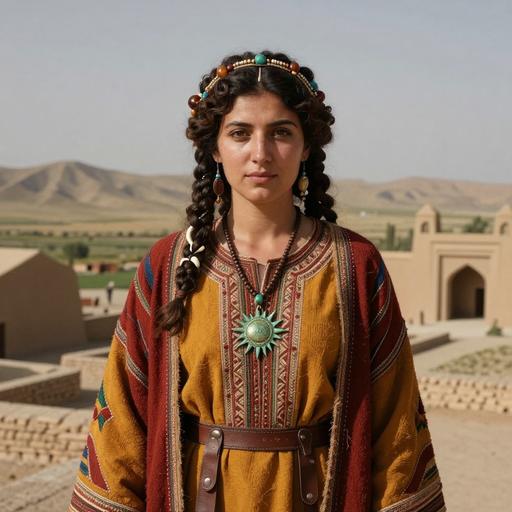
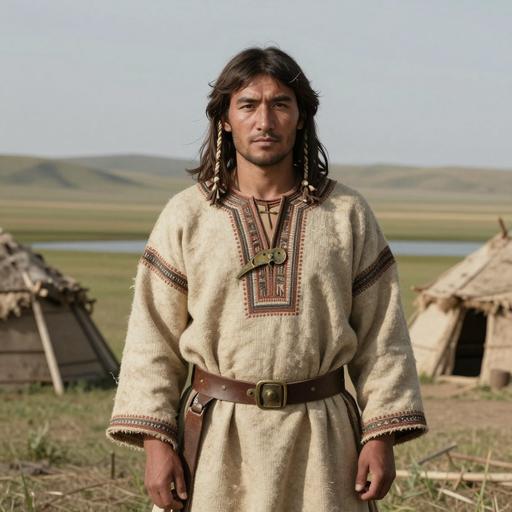
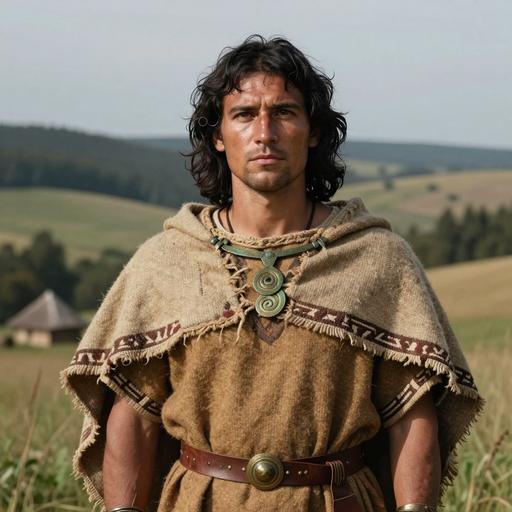
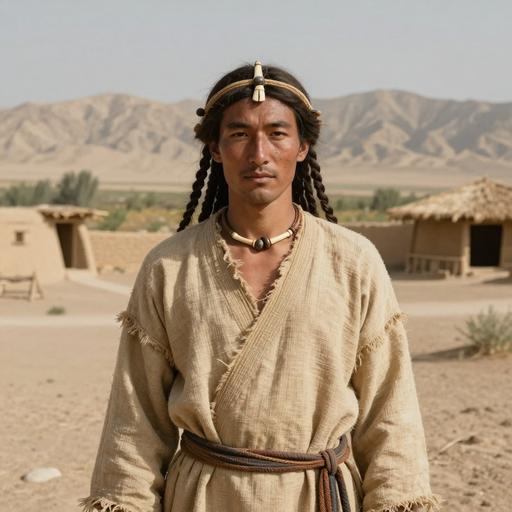
These ancient cultures have been linked to haplogroup R1B based on matching ancient DNA samples from archaeological excavations. The presence of this haplogroup in these cultures provides insights into the migrations and population movements of populations carrying this haplogroup.

Afontova Gora Alföld Linear Pottery Altai-Sayan British Chalcolithic Dali Culture Eastern Hunter-Gatherer Grand Est Bronze Age Lola Culture Unetice Culture Xinjiang Bronze Age Yuzhny Oleny Ostrov
Culture assignments are based on archaeological context of ancient DNA samples and may represent regional associations during specific time periods.
Chapter V

Sample Catalog

Top 50 ancient DNA samples directly related to haplogroup R1B or parent clades

50 / 50 samples
Portrait Sample Country Era Date Culture mtDNA Match
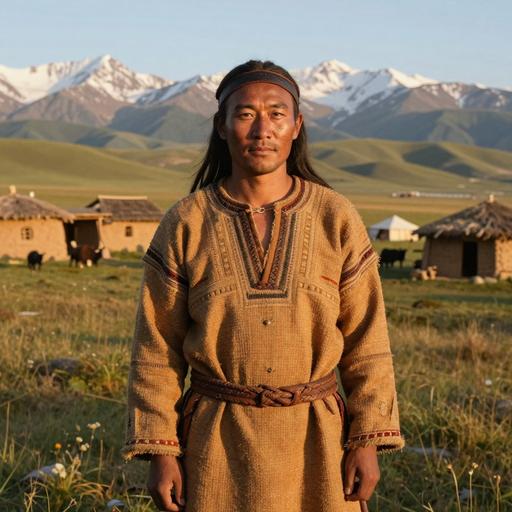
Portrait of ancient individual C3359 from China, dated 166 BCE - 11 BCE
C3359
China Iron Age Zeketai, Xinjiang, China 166 BCE - 11 BCE Zeketai Culture R1b1 Direct
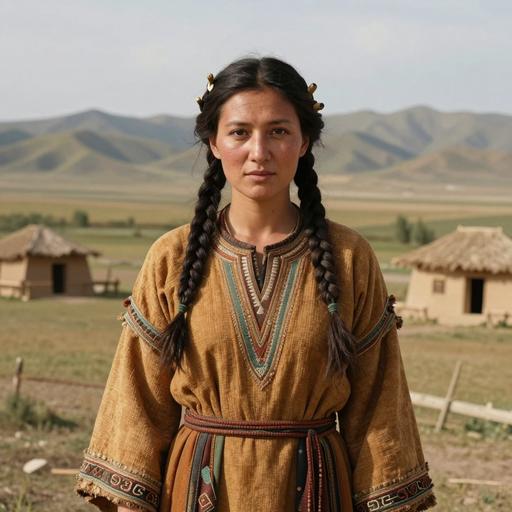
Portrait of ancient individual C3361 from China, dated 166 BCE - 11 BCE
C3361
China Iron Age Zeketai, Xinjiang, China 166 BCE - 11 BCE Zeketai Culture R1b1 Direct
Portrait of ancient individual BIY002 from Russia, dated 300 BCE - 100 BCE
BIY002
Russia Iron Age Sargat Culture, Russia 300 BCE - 100 BCE Sargat Culture R1b1 Direct
Portrait of ancient individual C3617 from China, dated 387 BCE - 200 BCE
C3617
China Iron Age Baiyanghe 2, Xinjiang, China 387 BCE - 200 BCE Baiyanghe II Culture R1b1 Direct
Portrait of ancient individual I7024 from Mongolia, dated 389 BCE - 208 BCE
I7024
Mongolia Early Iron Age Sagly Culture 4, Mongolia 389 BCE - 208 BCE Sagly Culture R1b1 Direct
Portrait of ancient individual C1362 from China, dated 401 BCE - 211 BCE
C1362
China Iron Age Jirentaigoukou, Xinjiang, China 401 BCE - 211 BCE Jirentaigoukou Culture R1b1 Direct
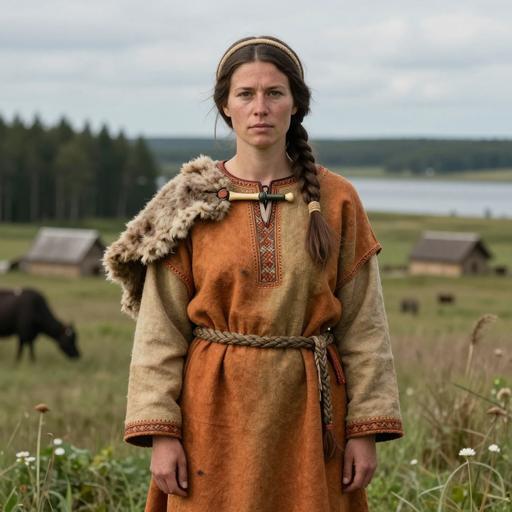
Portrait of ancient individual snb014 from Sweden, dated 450 CE - 500 CE
snb014
Sweden Southern Swedish Pre-Viking Culture 450 CE - 500 CE Pre-Viking Swedish R1b Direct
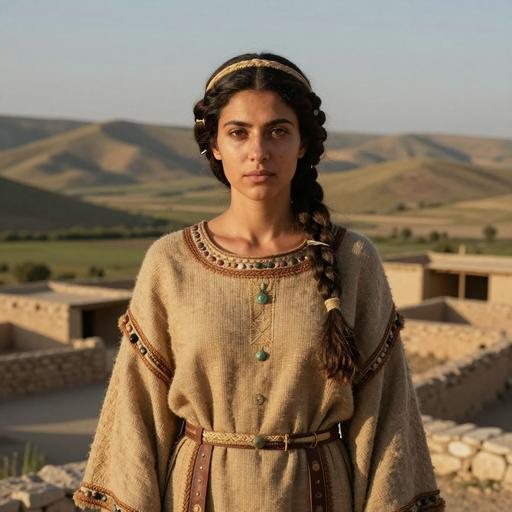
Portrait of ancient individual MAS004 from Italy, dated 805 BCE - 567 BCE
MAS004
Italy Etruscan Grosseto, Italy 805 BCE - 567 BCE Etruscan R1b1 Direct
Portrait of ancient individual I13767 from Mongolia, dated 1377 BCE - 1130 BCE
I13767
Mongolia Late Bronze Age Center West 4, Mongolia 1377 BCE - 1130 BCE Center West 4 R1b1 Direct
Portrait of ancient individual I6047 from Russia, dated 1386 BCE - 1212 BCE
I6047
Russia Late Bronze Priobrazhenka 1386 BCE - 1212 BCE Priobrazhenka R1b Direct
Chapter VI

Carrier Distribution Map

Geographic distribution of 58 ancient DNA samples carrying haplogroup R1B

Time Period Filter
All Time Periods
Showing all samples
Each marker represents an ancient individual
Chapter VII

Temporal Distribution

Distribution of carriers across archaeological periods

Chapter VIII

Geographic Distribution

Distribution of carriers by country of origin

Chapter IX

Country × Era Distribution

Cross-tabulation of carrier countries and archaeological periods

Data

Data & Provenance

Source information and data quality

Last Updated 2026-02-16
Confidence Score 50/100
Coverage Low
Data Source

We use the latest phylotree for MTDNA haplogroup classification and data.