The Story
The journey of mtDNA haplogroup S2A1
Origins and Evolution
mtDNA haplogroup S2A1 is a downstream branch of S2A, itself a subclade of haplogroup S2, a lineage that differentiated within the Sahul landmass (New Guinea and Australia) after the initial human colonization of the region. Based on the phylogenetic position of S2A1 beneath S2A and the estimated age of S2A (around the late Pleistocene), S2A1 most plausibly arose in the late Pleistocene to early Holocene (roughly ~12 kya) as part of local diversification among hunter-gatherer populations that had been resident in Sahul for many millennia. Its mutational profile marks it as a regional, derived maternal lineage tied to long-term occupation of New Guinea, Australia and nearby islands.
Subclades
S2A1 is an intermediate/derived branch within the S2A subtree. It connects the ancestral S2A nodes to more localized daughter lineages (where detected), and can serve as a phylogenetic marker for population structure within Sahul. Where genomic and high-resolution mtDNA sequencing have been carried out, S2A1 may split into finer sublineages that show restricted island or valley-level distributions, reflecting limited maternal gene flow and long-term demographic stability in parts of New Guinea and adjacent islands.
Geographical Distribution
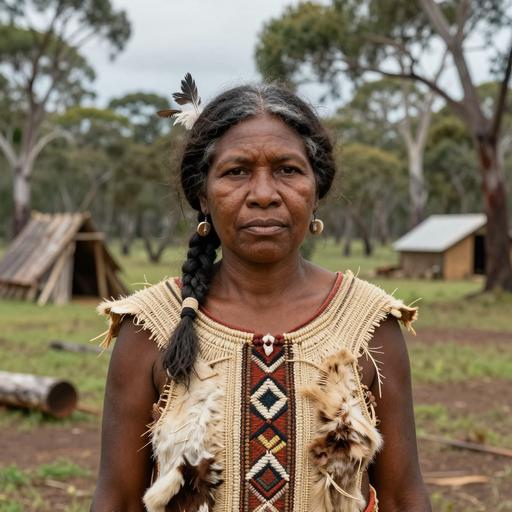
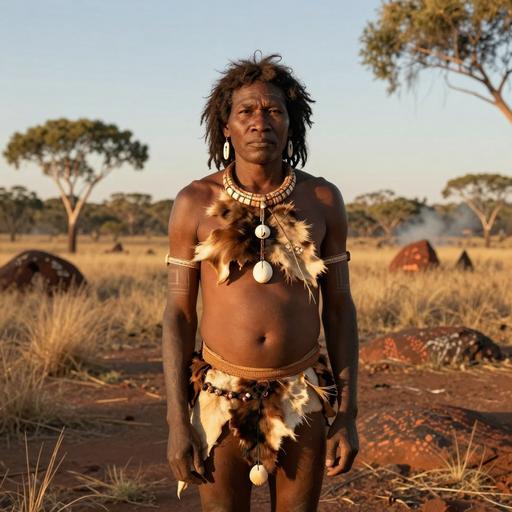
S2A1 is primarily recorded in Indigenous populations of the Sahul region. Observed distributional patterns include elevated frequencies in parts of interior and coastal Papua New Guinea, presence among several Aboriginal Australian groups, and occurrences in Island Melanesia (for example, some Solomon Islands and nearby island populations). The haplogroup is also present at low to moderate frequencies among Torres Strait Islander communities and is occasionally found in nearby Island Southeast Asia where historical contact, mobility or recent admixture have introduced Sahul-associated maternal lineages.
Historical and Cultural Significance
S2A1 is best interpreted as a marker of deep-time maternal ancestry in Sahul and therefore has relevance to reconstructions of the first peopling and subsequent regional differentiation across New Guinea and Australia. It is associated with the long-standing hunter-gatherer lifeways that dominated Sahul prior to and alongside later Austronesian expansions; in some contexts, its presence helps distinguish pre-Austronesian maternal ancestry from incoming maritime farmer-associated lineages. Although not tied to a single archaeological ‘culture’ in the way some later lineages are, S2A1 reflects demographic processes such as localized retention of maternal lineages, island-specific drift, and limited female-mediated gene flow between interior highland and coastal or island groups.
Conclusion
mtDNA haplogroup S2A1 represents a regionally important Sahul maternal lineage that emerged after the initial colonization of New Guinea and Australia and persisted through the late Pleistocene into the Holocene. Its distribution among Papuan, Aboriginal Australian and nearby Melanesian populations underscores deep regional continuity and the power of mtDNA to track female-line demographic history in Island Oceania. Continued high-resolution sequencing and broader sampling in understudied island and highland populations will clarify its finer substructure and historical movements.
Key Points
- Origins and Evolution
- Subclades
- Geographical Distribution
- Historical and Cultural Significance
- Conclusion