The Story
The journey of mtDNA haplogroup T2D1B2
Origins and Evolution
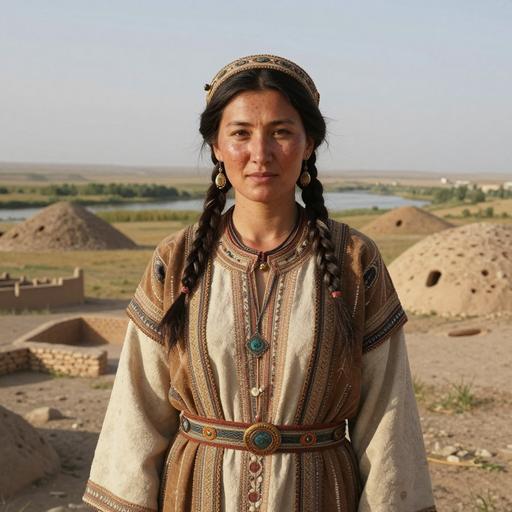
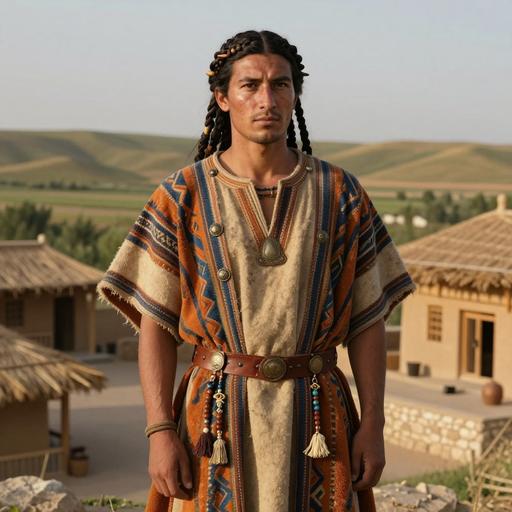
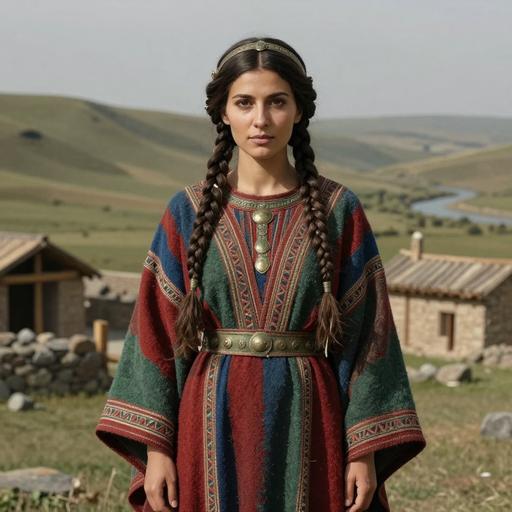
mtDNA haplogroup T2D1B2 is a low-frequency, downstream branch nested within the T2 haplogroup complex. It derives from T2D1B and shares the broader Anatolian/Near Eastern Neolithic connections of the T2 subclades that expanded with early farming populations. Based on its phylogenetic position and coalescent estimates for closely related T2D1B lineages, T2D1B2 likely formed in the Near East or Anatolia in the later Neolithic to Chalcolithic (several thousand years before present), and was subsequently carried westward and northward in multiple demographic episodes.
Subclades (if applicable)
T2D1B2 is itself a downstream subbranch of T2D1B. At present it appears to be a relatively terminal branch with few further well-documented downstream subclades in the public literature and databases, and many reported observations are singletons or very low-frequency haplotypes. Continued dense mitogenome sequencing may reveal further internal structure, but current evidence indicates limited diversification compared with more common T2 subclades.
Geographical Distribution
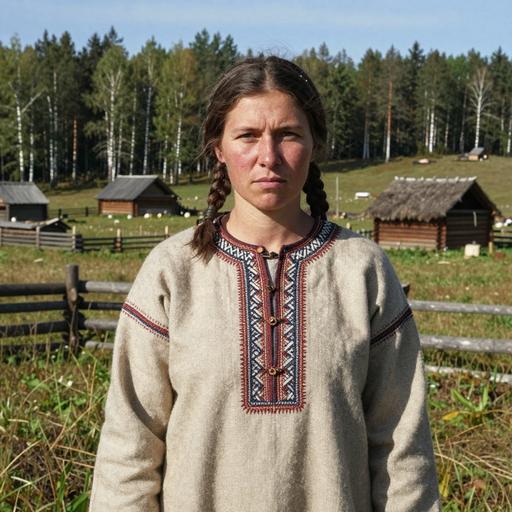
Although rare, T2D1B2 has been reported in a geographically broad but sparse pattern consistent with an origin in Anatolia/Near East and dispersal into adjacent regions. Modern occurrences are documented at low to very low frequencies across Southern and Central Europe, parts of Eastern Europe, the Caucasus, North Africa, and in some Middle Eastern populations. The haplogroup is also observed among some Jewish diaspora lineages, reflecting historic Near Eastern maternal ancestry pathways. Only a small number of ancient DNA hits have been reported for this specific subclade, but the presence of related T2 lineages in Neolithic Anatolia and early European farmers supports the inference of Neolithic-era movement.
Historical and Cultural Significance
The distribution of T2D1B2 is consistent with maternal lineages that accompanied farming and trade networks emanating from Anatolia and the Near East. While T2 lineages broadly are often associated with Neolithic farmers who moved into Europe, T2D1B2's later formation and low frequency suggest it contributed to regional maternal diversity rather than driving large-scale demographic replacements. Its occurrence in Jewish communities and in North Africa likely reflects a mixture of ancient Near Eastern ancestry, later gene flow across the Mediterranean, and the complex demographic history of medieval and historic periods. Due to its rarity, T2D1B2 is more useful for fine-scale genealogical inferences (e.g., identifying shared maternal ancestry among small groups) than for explaining continent-scale population events.
Conclusion
T2D1B2 is a rare, regionally dispersed maternal lineage rooted in the broader T2 Neolithic/Chalcolithic story of Near Eastern origins. It exemplifies how small, low-frequency mtDNA branches persist across millennia—tracing localized migrations, diaspora histories, and the patchwork of maternal ancestry in Europe, the Caucasus, North Africa, and parts of West Asia. Ongoing mitogenome sampling and ancient DNA recovery will refine its age estimate, geographic origin, and internal structure.
Key Points
- Origins and Evolution
- Subclades (if applicable)
- Geographical Distribution
- Historical and Cultural Significance
- Conclusion