The Story
The journey of mtDNA haplogroup T2G2
Origins and Evolution
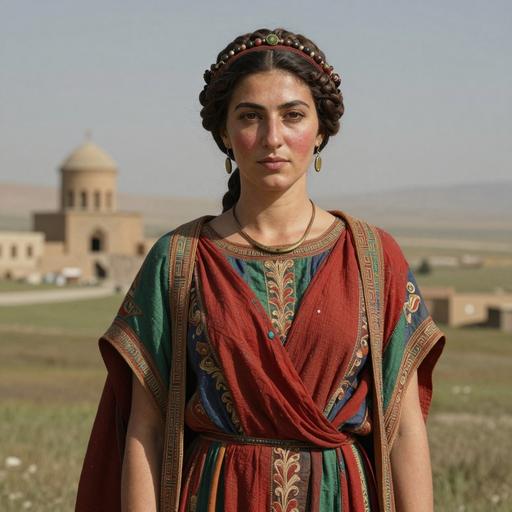
mtDNA haplogroup T2G2 is a downstream subclade of T2G, itself a branch of the broader T2 lineage. The parent clade T2G is generally inferred to have arisen in the Near East/Anatolia in the early Neolithic (around ~9 kya). As a subclade, T2G2 most likely diversified shortly after that initial split as maternal lineages associated with early farming communities expanded out of Anatolia into Europe and neighboring regions. The small number of observed modern and ancient samples suggests that T2G2 is a relatively low-frequency lineage that persisted through local demographic processes rather than becoming a dominant lineage in any large population.
Subclades (if applicable)
T2G2 is itself a subbranch within the T2G cluster. Because T2G2 is rare and only sparsely represented in published modern and ancient mtDNA datasets, its internal substructure is limited or not well resolved in the public literature. Ongoing sequencing of complete mitochondrial genomes and targeted ancient DNA studies could reveal finer subclades of T2G2 in the future; at present it is treated as a distinct low-frequency terminal clade within the T2 phylogeny.
Geographical Distribution
Modern observations place T2G2 at low to moderate frequencies across the Mediterranean, parts of Europe, and neighboring regions. The strongest geographic signal is consistent with a Near Eastern/Anatolian origin with subsequent dispersal into:
- Southern Europe (where Neolithic farmer ancestry is prominent)
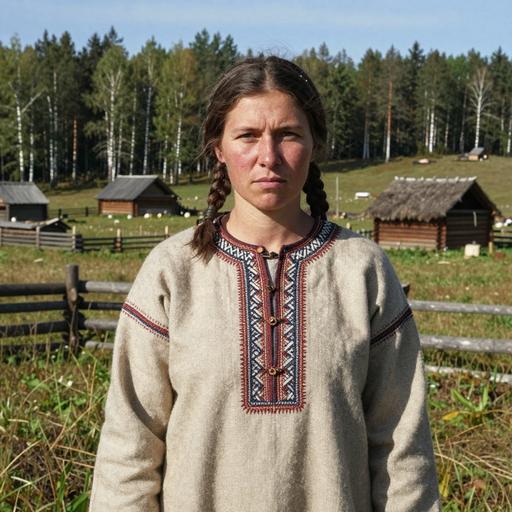
- Central and Eastern Europe at lower frequencies
- The Caucasus and parts of North Africa at low frequencies
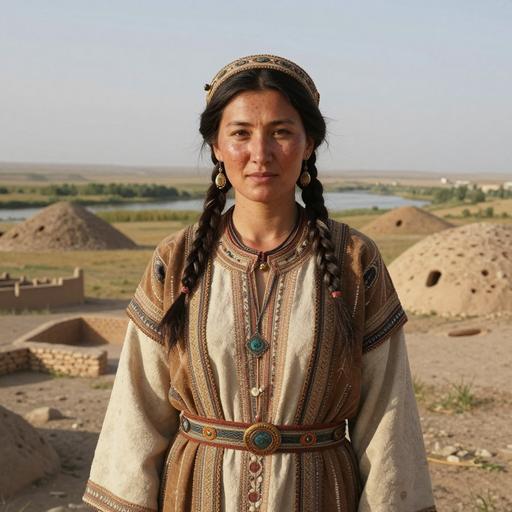
- Some Central Asian records at very low levels
- Certain Jewish communities, where lineages from the Near East have been preserved or reintroduced through historical connections
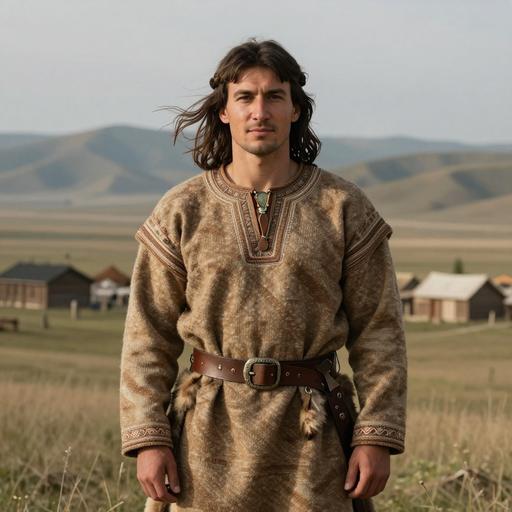
Ancient DNA evidence for T2G2 is extremely limited (the database referenced contains a single ancient sample), which constrains direct inference about its prehistoric movements, but the observed distribution aligns with dispersal routes taken by early farming groups and later historic contacts across the Mediterranean and Near East.
Historical and Cultural Significance
Because T2G2 appears to have arisen during or shortly after the Neolithic expansion, it most plausibly moved with populations practicing agriculture rather than representing an indigenous pre-Neolithic hunter-gatherer maternal lineage in Europe. Its presence in diverse modern groups — including European, Near Eastern, North African, Caucasus and some Jewish populations — reflects centuries of migrations, trade, and gene flow across contiguous regions. The haplogroup does not define any single archaeological culture by itself, but it is consistent with the genetic signature of early farmers (the Anatolian Neolithic → Early European Farmers stream) and later low-level admixture events.
Conclusion
T2G2 is a low-frequency, regionally dispersed mtDNA subclade of T2G with a Near Eastern/Anatolian origin in the early Neolithic. It provides a small but informative piece of the maternal genetic landscape associated with the spread of farming into Europe and adjacent regions, and it highlights the heterogeneity of maternal lineages carried by prehistoric and historic populations. Further whole-mitogenome sequencing and ancient DNA sampling will be necessary to clarify its internal structure and more precisely track its prehistoric trajectories.
Key Points
- Origins and Evolution
- Subclades (if applicable)
- Geographical Distribution
- Historical and Cultural Significance
- Conclusion