The Story
The journey of mtDNA haplogroup T2G1
Origins and Evolution
mtDNA haplogroup T2G1 sits as a downstream lineage within the T2 phylogeny (T → T2 → T2G → T2G1). The broader T2 clade is strongly associated with Neolithic and post‑Neolithic expansions from the Near East and Anatolia into Europe. Given the parent clade T2G's estimated origin near Anatolia around ~9 kya, T2G1 most likely arose slightly later — on the order of ~7 kya — during the Neolithic or early post‑Neolithic period as farming populations expanded and dispersed. This timing and geographic placement are inferred from phylogenetic branching patterns, the geographic concentrations of related lineages, and the presence of T2G/T2G1 in a small number of ancient DNA samples dated to Neolithic and later contexts.
Subclades (if applicable)
At present T2G1 is represented by a small number of lineages in modern and ancient mtDNA databases. Downstream resolution (for example T2G1a, T2G1b, etc.) may exist at low frequency but is not yet widely reported in the literature; further complete mitogenome sequencing and denser sampling may reveal additional subclades. Because T2G1 is rare, many studies report it only at the T2G level or do not subdivide it extensively.
Geographical Distribution
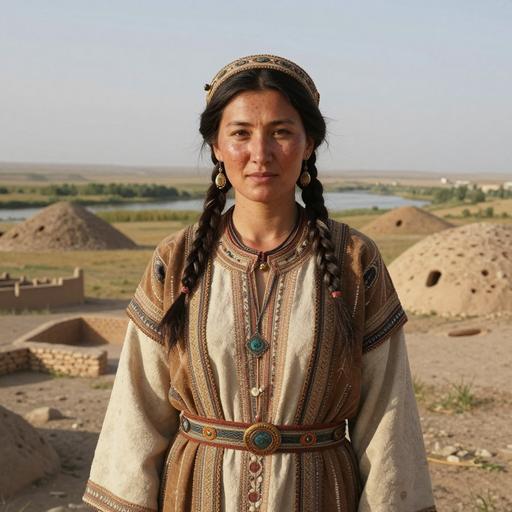
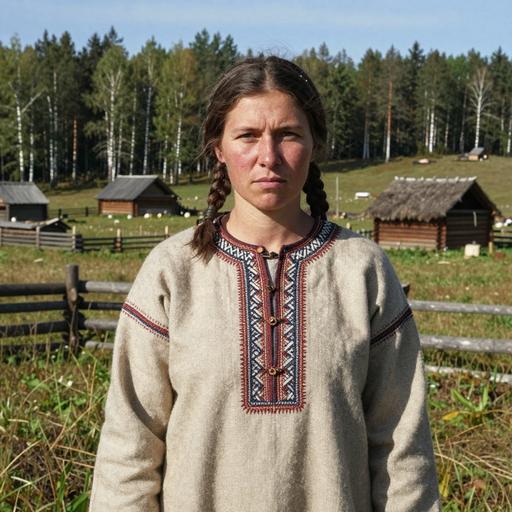
T2G1 has a patchy but geographically broad distribution consistent with a Near Eastern Neolithic origin and subsequent dispersal. Modern samples are found at low to moderate frequencies across parts of Southern, Central and Eastern Europe, in the Near East (including Anatolia), in the Caucasus, and at lower frequencies in North Africa and some parts of Central Asia. T2G1 has also been observed in some Jewish maternal lineages, reflecting both Near Eastern origins and later population movements. The haplogroup appears in a small number of ancient DNA samples (several identified in curated databases), supporting continuity from archaeological contexts into present populations.
Historical and Cultural Significance
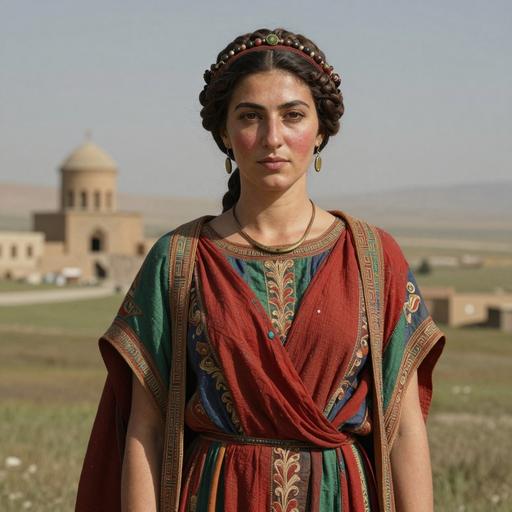
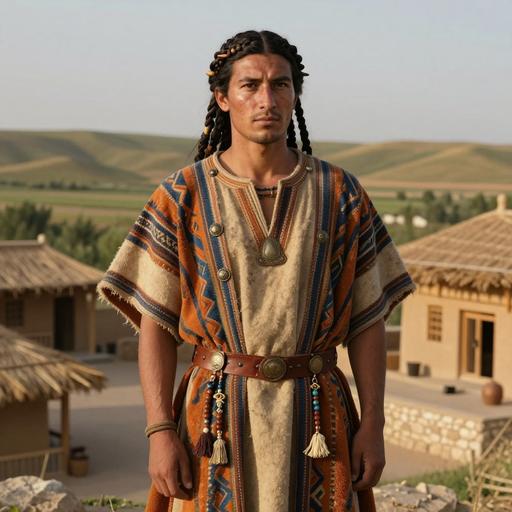
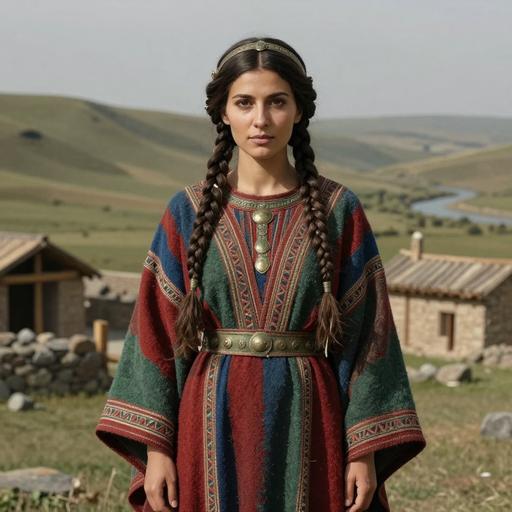
Because of its phylogenetic position within T2 and its Near Eastern origin, T2G1 is best interpreted as part of the maternal signal carried by early farming populations that spread into Europe during the Neolithic. It is therefore associated with the demographic processes that introduced agriculture and new cultural packages from Anatolia and the Levant into Europe (e.g., Anatolian Neolithic dispersals, Early European Farmer groups). Later demographic events (local expansions, population turnovers, trade and mobility in the Bronze Age and historical periods) redistributed T2G1 further and account for its low-level presence in diverse populations today. The presence of T2G1 in some Jewish communities mirrors the broader Near Eastern maternal ancestry components observed in those groups.
Conclusion
T2G1 is a low-frequency, regionally informative maternal lineage whose distribution and timing are consistent with a Near Eastern Neolithic origin and subsequent dispersal with early farmers into Europe and adjacent regions. It remains relatively rare in modern populations, and resolving its internal structure will rely on additional complete mitogenome sequencing and denser geographic sampling. Findings to date — including a small number of ancient DNA occurrences — support the interpretation of T2G1 as part of the genetic legacy of Neolithic-era demographic expansions.
Key Points
- Origins and Evolution
- Subclades (if applicable)
- Geographical Distribution
- Historical and Cultural Significance
- Conclusion