The Story
The journey of mtDNA haplogroup U4A2J
Origins and Evolution
Haplogroup U4A2J is a downstream lineage within the broader mtDNA U4 phylogeny, nested under U4A2. The parent clade U4A2 is associated with post‑glacial northern Eurasian hunter‑gatherers and has an estimated origin in the Late Glacial to Early Holocene (around 13 kya). As a subclade, U4A2J most likely differentiated from other U4A2 lineages during the Early Holocene as human populations expanded and fragmented across the forest‑tundra and boreal zones of northern Eurasia. The relative scarcity of U4A2J in modern and ancient datasets suggests it is a geographically restricted and low‑frequency branch, preserving signals of local maternal continuity in northern and northeastern European and some Siberian populations.
Subclades
At present U4A2J appears to be a narrowly defined sublineage with few reported downstream branches; published and public sequence databases report only sparse instances of private variation within U4A2J. Because sampling of many northern and Siberian groups remains incomplete, additional substructure may be discovered with further mitogenome sequencing. Until more sequences are characterized, U4A2J should be treated as a minor, regionally restricted lineage within U4A2.
Geographical Distribution
U4A2J shows a distribution concentrated in northern and eastern Europe and across parts of north‑central Eurasia. Contemporary occurrences are rare to low frequency but are reported in:
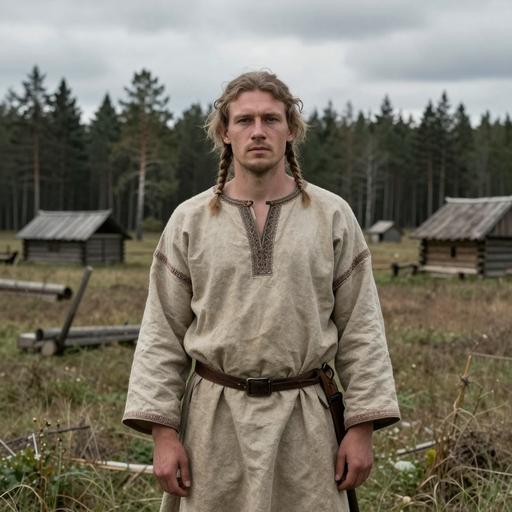
- Fennoscandian and Baltic populations (including Finland and northern Sweden/Scandinavia) and neighboring Russian populations.
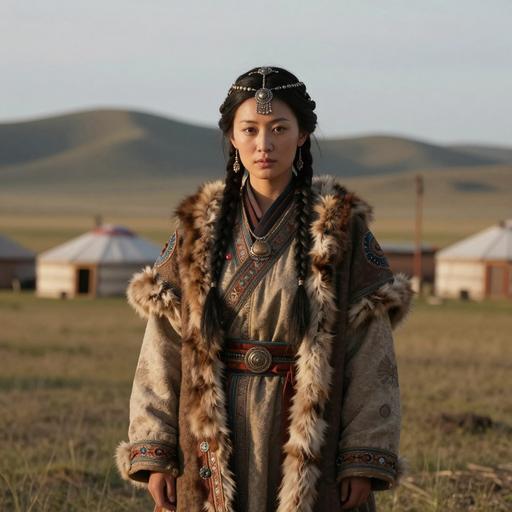
- Indigenous Siberian and north Eurasian groups (for example small numbers among Nenets, Evenks, and other taiga/tundra populations).
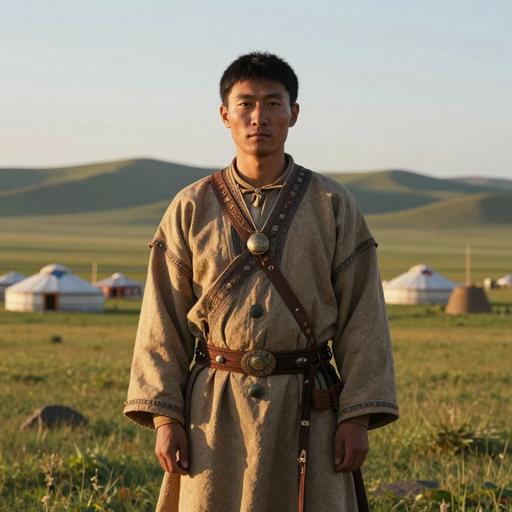
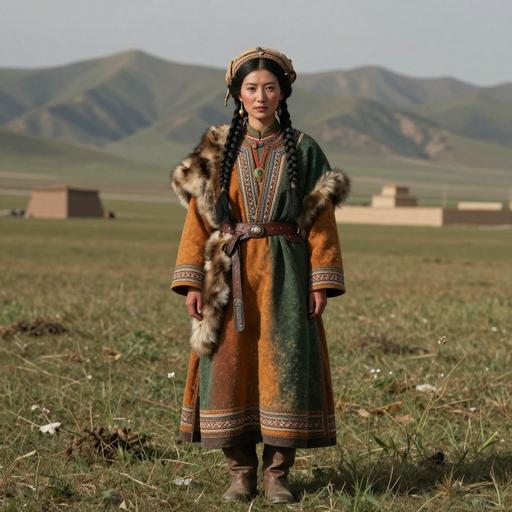
- Scattered low‑frequency occurrences in parts of northern and central Asia (Altai region and adjacent areas) and isolated reports in the Caucasus and South Asia likely reflecting long‑range drift or recent gene flow.
Ancient DNA evidence is limited but consistent with the parent U4A2 association with post‑glacial hunter‑gatherers; a small number of archaeological samples attributable to U4 sublineages supports continuity of U4 lineages in northern Eurasia from the Mesolithic into later periods.
Historical and Cultural Significance
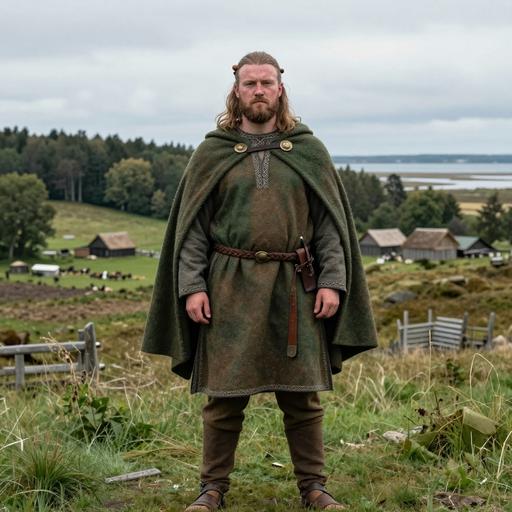
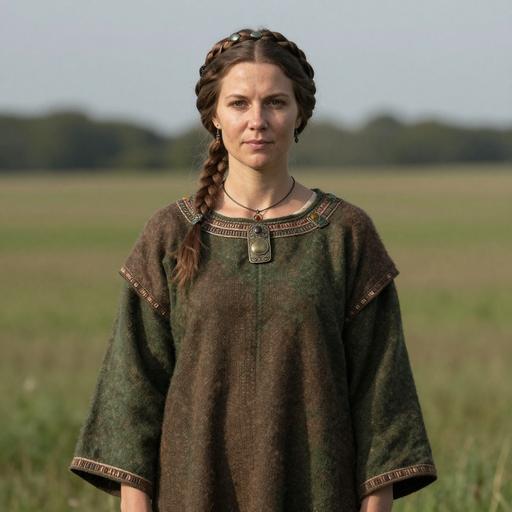
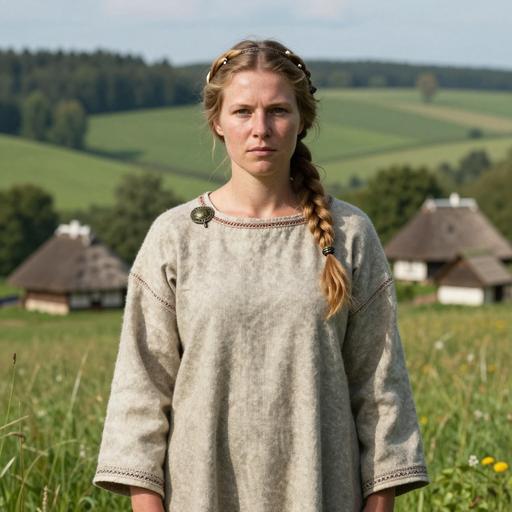
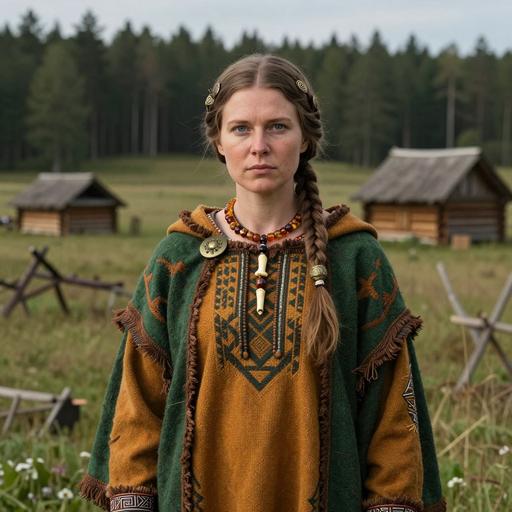
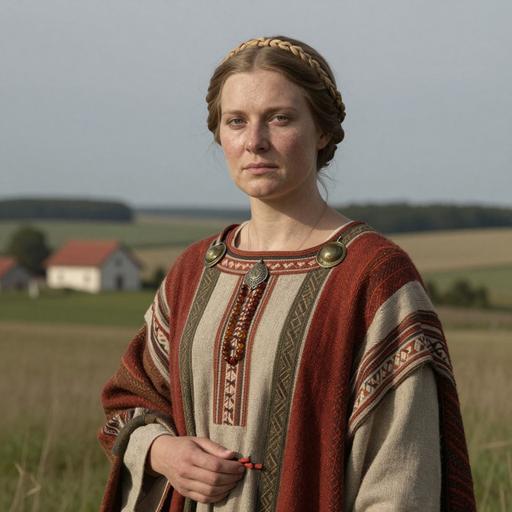
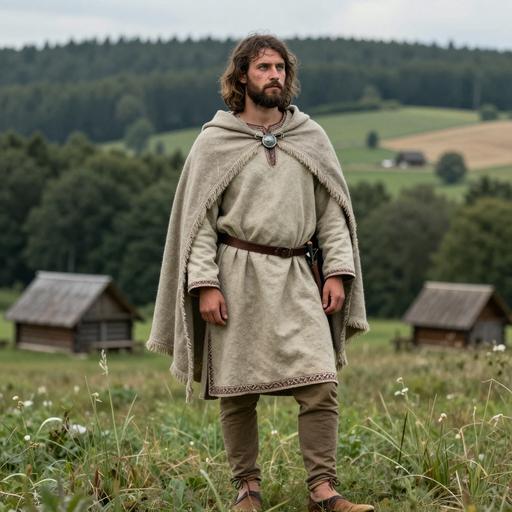
Because U4A2 and its sublineages are tied to post‑glacial northern hunter‑gatherer populations, U4A2J likely marks maternal ancestry connected to forest‑tundra foragers who recolonized high‑latitude Eurasia after the Last Glacial Maximum. Such lineages contributed to the maternal gene pool of many later northern and eastern European groups and some Siberian populations. U4A2J itself, being rare, may reflect localized maternal continuity (small founder groups, genetic drift) rather than a major migratory expansion; however, its presence in both modern and limited ancient contexts helps reconstruct demographic connections across the Fennoscandian–Siberian transition zone.
Conclusion
U4A2J is a low‑frequency, regionally focused subclade of U4A2 that preserves a signature of post‑glacial northern Eurasian maternal ancestry. While current data are sparse, continued mitogenome sequencing of northern European and Siberian populations—and expanded ancient DNA sampling—may clarify its internal structure, exact time depth, and the routes by which it persisted in local populations through the Holocene.
Key Points
- Origins and Evolution
- Subclades
- Geographical Distribution
- Historical and Cultural Significance
- Conclusion