Menu
mtDNA Haplogroup • Maternal Lineage

U4A

mtDNA Haplogroup U4A

~20,000 years ago
Northern Eurasia
5 subclades
123 ancient samples
Scroll to explore
Chapter I

The Story

The journey of mtDNA haplogroup U4A

Origins and Evolution

mtDNA haplogroup U4A is a downstream branch of the broader U4 lineage, itself part of the ancient European U family. U4 lineages are among the mitochondrial haplogroups strongly associated with Upper Paleolithic and Mesolithic hunter-gatherer populations of Europe and adjacent parts of Eurasia. U4A likely coalesced during the Late Pleistocene or the Early Holocene (on the order of ~20 kya, with uncertainty of several thousand years) as human groups re-expanded into higher latitudes after the Last Glacial Maximum. Its phylogenetic position as a subclade of U4 places it within a set of matrilineal lineages that were common in pre-Neolithic northern and eastern Europe and which persisted, at varying frequencies, through later cultural transitions.

Subclades

U4A itself has recognized internal diversity (for example clades often labeled U4a1, U4a2 and downstream branches in published phylogenies). Broadly speaking, some subbranches (commonly reconstructed as U4a1-type lineages) are more characteristic of European Mesolithic and later populations (including Scandinavian and Eastern European contexts), while other subbranches attributed to the U4A stem show higher relative frequencies or deeper persistence in parts of western Siberia and Central Asia. Ancient DNA studies have revealed geographic structure within U4A subclades, consistent with a pattern of post-glacial expansions and regionally restricted drift.

Geographical Distribution

Modern distribution: U4A is found at its highest relative frequencies in Northern and Eastern Europe (notably among some populations in Scandinavia, Finland, the Baltic region and northwestern Russia). It is also detected at moderate frequencies among indigenous Siberian groups and various Central Asian populations, reflecting either ancient east–west connections or later gene flow across the Eurasian steppes. Low-frequency occurrences are reported in the Caucasus and in some South Asian groups, generally reflecting long-range dispersal or later admixture.

Ancient DNA evidence: U4A-type sequences are present in Mesolithic hunter-gatherer remains from northern and eastern European sites and appear intermittently in Neolithic and Bronze Age contexts on the Eurasian steppe and in Scandinavia. This archaeological record supports a scenario in which U4A was part of the maternal gene pool of pre-agricultural foragers and was subsequently incorporated into farming and steppe-associated populations through admixture.

Historical and Cultural Significance

U4A is most strongly linked to Mesolithic hunter-gatherer populations in northern and eastern Europe — groups that contributed substantially to the ancestry of later Scandinavian Hunter-Gatherers (SHG) and, through admixture processes, to Neolithic and Bronze Age European populations. In some Bronze Age and steppe contexts (for example in samples associated with steppe pastoralist horizons), U4A lineages appear at lower frequencies, indicating incorporation of hunter-gatherer maternal ancestry into expanding cultural complexes such as Corded Ware–related groups and other steppe-influenced populations. The presence of U4A in parts of Siberia and Central Asia also points to ancient connections across northern Eurasia that predate or accompany Bronze Age mobility.

Conclusion

U4A is an informative mitochondrial marker for tracing maternal continuity and mobility in northern Eurasia from the Mesolithic onward. Its phylogenetic placement under U4, coupled with ancient DNA recovery from hunter-gatherer and later contexts, makes it a useful lineage for studies of post-glacial recolonization, forager–farmer interactions, and east–west connections across the Eurasian steppe. While not uniformly common in modern populations, U4A preserves a genetic signal of ancient northern Eurasian maternal ancestry that persists in both Europe and parts of Asia.

Key Points

  • Origins and Evolution
  • Subclades
  • Geographical Distribution
  • Historical and Cultural Significance
  • Conclusion

Chapter II

Tree & Relationships

Phylogenetic context and subclades

Evolution Path
This haplogroup's evolutionary journey from its earliest ancestor to the present.

Steps Haplogroup Age Estimate Archaeology Era Time Passed Immediate Descendants Tested Modern Descendants Ancient Connections
1 U4A Current ~20,000 years ago 🏹 Mesolithic 20,000 years 5 127 123
2 U4 ~20,000 years ago 🏹 Mesolithic 20,000 years 4 299 31
3 U ~46,000 years ago 🦴 Paleolithic 46,000 years 12 2,835 110
4 R ~60,000 years ago 🦴 Paleolithic 60,000 years 12 10,987 57
5 N ~60,000 years ago 🦴 Paleolithic 60,000 years 15 15,452 13
6 L3 ~70,000 years ago 🦴 Paleolithic 70,000 years 11 17,621 6
7 L ~160,000 years ago 🦴 Paleolithic 160,000 years 7 18,987 5

Siblings (3)

Other branches from the same parent haplogroup

Chapter III

Where in the World

Geographic distribution and modern presence


Place of Origin

Northern Eurasia

Modern Distribution

The populations where mtDNA haplogroup U4A is found include:

  1. Northern and Eastern European populations (e.g., Scandinavians, Finns, Russians)
  2. Indigenous Siberian groups (e.g., Nenets, Evenks, other north Eurasian groups)
  3. Central Asian populations (e.g., populations of the Altai and surrounding areas)
  4. Caucasus populations (low frequency occurrences)
  5. South Asian groups (very low frequency, isolated occurrences)
CHAPTER IV

When in Time

Your haplogroup in the context of human history

~20k years ago

Last Glacial Maximum

Peak of the last ice age, populations isolated

~20k years ago

Haplogroup U4A

Your mtDNA haplogroup emerged in Northern Eurasia

Northern Eurasia
~10k years ago

Neolithic Revolution

Agriculture begins, settled communities form

~5k years ago

Bronze Age

Metalworking, writing, and early civilizations

~3k years ago

Iron Age

Iron tools, expanded trade networks

~2k years ago

Classical Antiquity

Greek and Roman civilizations flourish

Present

Present Day

Modern era

Your Haplogroup
Historical Era
Chapter IV-B

Linked Cultures

Ancient cultures associated with mtDNA haplogroup U4A

Cultural Heritage

These ancient cultures have been linked to haplogroup U4A based on matching ancient DNA samples from archaeological excavations. The presence of this haplogroup in these cultures provides insights into the migrations and population movements of populations carrying this haplogroup.

Bulgarian Chalcolithic Chalcolithic Armenian Comb Ceramic Culture Dnieper-Mariupol Iron Gates Iron Gates Culture Karelian Culture Minino Ob River Ukrainian Neolithic Yamnaya
Culture assignments are based on archaeological context of ancient DNA samples and may represent regional associations during specific time periods.
Chapter V

Sample Catalog

Top 50 ancient DNA samples directly related to haplogroup U4A or parent clades

50 / 50 samples
Portrait Sample Country Era Date Culture mtDNA Match
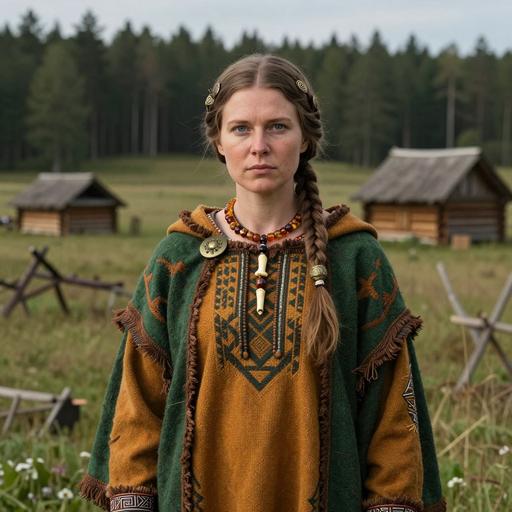
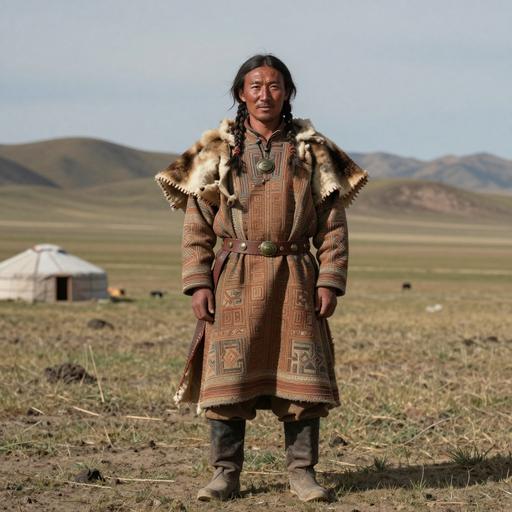
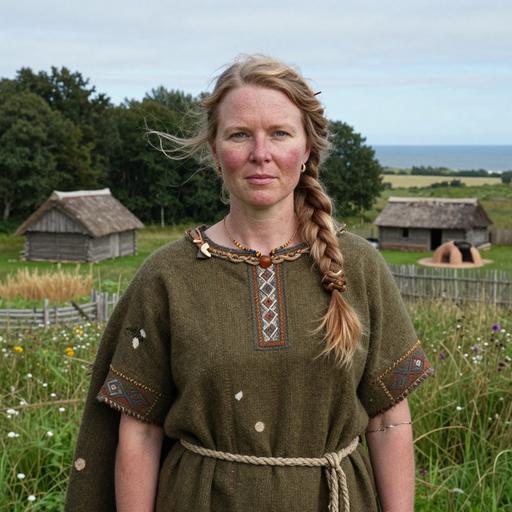
Portrait of ancient individual UGU005 from Mongolia, dated 17 CE - 121 CE
UGU005
Mongolia Medieval Xiongnu 17 CE - 121 CE Xiongnu U4a1 Direct
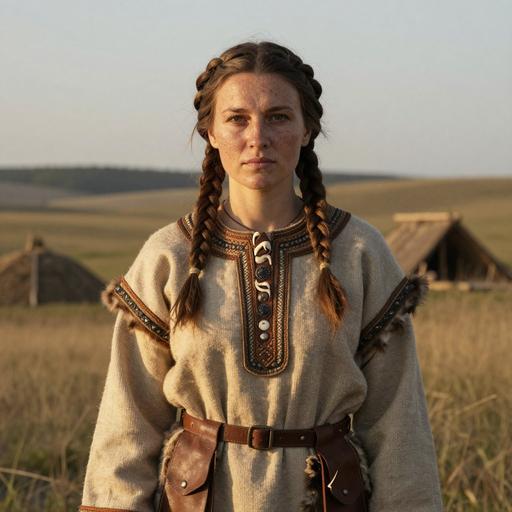
Portrait of ancient individual VIII9 from Russia, dated 75 CE - 200 CE
VIII9
Russia Iron Age Ingria, Russia 75 CE - 200 CE Ingrian Iron Age Culture U4a2 Direct
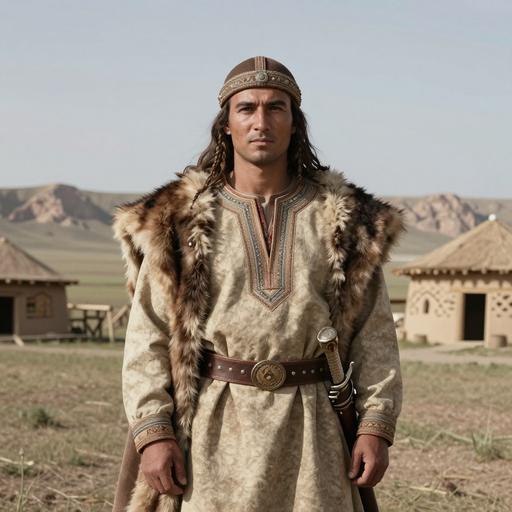
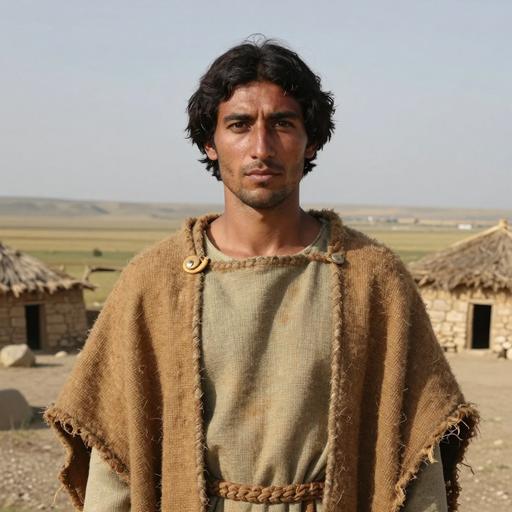
Portrait of ancient individual PCA0062 from Poland, dated 76 CE - 230 CE
PCA0062
Poland Wielbark Culture 76 CE - 230 CE Wielbark U4a2 Direct
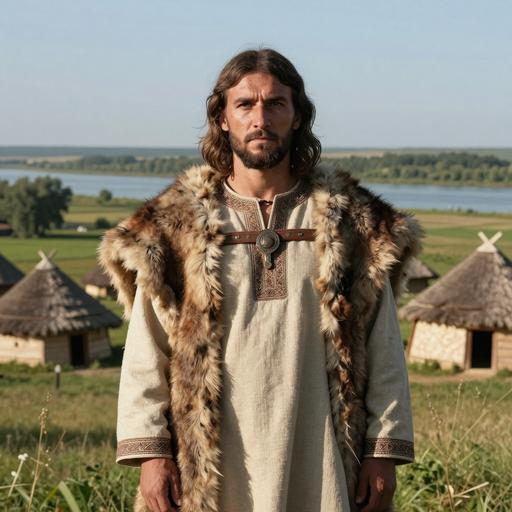
Portrait of ancient individual C3622 from China, dated 84 CE - 239 CE
C3622
China Historical Sampula, China 84 CE - 239 CE Sampula U4a2 Direct
Portrait of ancient individual PCA0498 from Poland, dated 100 CE - 300 CE
PCA0498
Poland Wielbark Culture 100 CE - 300 CE Wielbark U4a1 Direct
Portrait of ancient individual I5249 from Turkey, dated 193 BCE - 50 BCE
I5249
Turkey Hellenistic Turkey 193 BCE - 50 BCE Hellenistic Anatolia U4a Direct
Portrait of ancient individual C401 from China, dated 223 CE - 375 CE
C401
China Historical Period Hetian, Xinjiang, China 223 CE - 375 CE Hetian Culture U4a2 Direct
Portrait of ancient individual BIY011 from Russia, dated 300 BCE - 100 BCE
BIY011
Russia Iron Age Sargat Culture, Russia 300 BCE - 100 BCE Sargat Culture U4a1 Direct
Portrait of ancient individual I18181 from Hungary, dated 320 BCE - 150 BCE
I18181
Hungary The La Tene Culture in Hungary 320 BCE - 150 BCE La Tene Culture U4a2 Direct
Portrait of ancient individual I7029 from Mongolia, dated 356 BCE - 172 BCE
I7029
Mongolia Early Iron Age Sagly Culture 4, Mongolia 356 BCE - 172 BCE Sagly Culture U4a1 Direct
Chapter VI

Carrier Distribution Map

Geographic distribution of 100 ancient DNA samples carrying haplogroup U4A

Time Period Filter
All Time Periods
Showing all samples
Each marker represents an ancient individual
Chapter VII

Temporal Distribution

Distribution of carriers across archaeological periods

Chapter VIII

Geographic Distribution

Distribution of carriers by country of origin

Chapter IX

Country × Era Distribution

Cross-tabulation of carrier countries and archaeological periods

Data

Data & Provenance

Source information and data quality

Last Updated 2026-02-16
Confidence Score 50/100
Coverage Low
Data Source

We use the latest phylotree for MTDNA haplogroup classification and data.