The Story
The journey of mtDNA haplogroup U4C1
Origins and Evolution
mtDNA haplogroup U4C1 is a downstream clade of U4C, itself a branch of the broader U4 lineage. The U4 lineage is one of the longstanding maternal lineages of Northern and Eastern Eurasia, associated with populations that expanded after the Last Glacial Maximum. Based on its phylogenetic position under U4C and its occurrences in ancient and modern samples, U4C1 most likely diversified in the early Holocene in the forest-steppe zone of eastern Europe or western Siberia, roughly around ~9 thousand years ago (kya). Its emergence reflects regional diversification of Mesolithic maternal lineages as human groups recolonized and adapted to post-glacial environments.
Subclades (if applicable)
U4C1 is itself a subclade of U4C; currently described diversity within U4C1 is limited relative to more common haplogroups, and published phylogenies indicate a small number of downstream branches or private lineages identifiable in high-resolution sequencing and ancient DNA datasets. Continued mitogenome sequencing of modern and archaeological samples occasionally reveals novel U4C1 sublineages, but the subclade structure remains relatively shallow, consistent with a localized expansion and subsequent persistence at low frequency.
Geographical Distribution
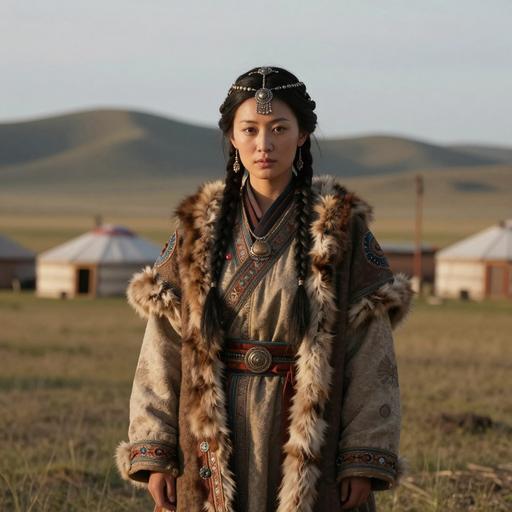
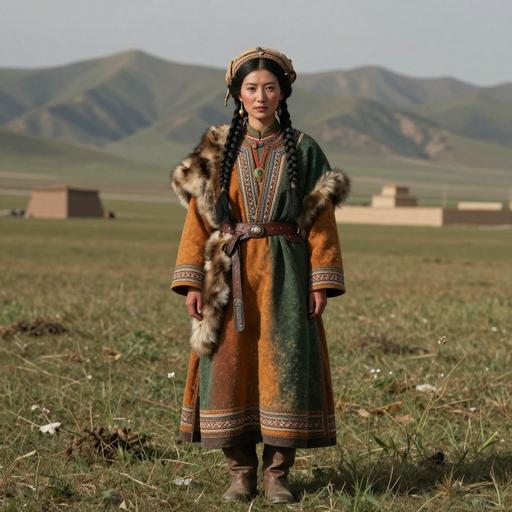
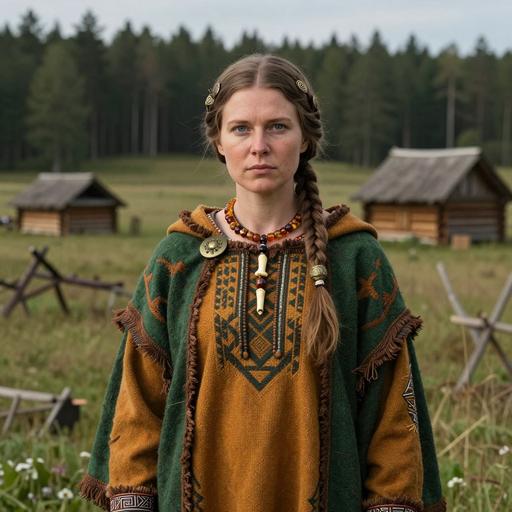
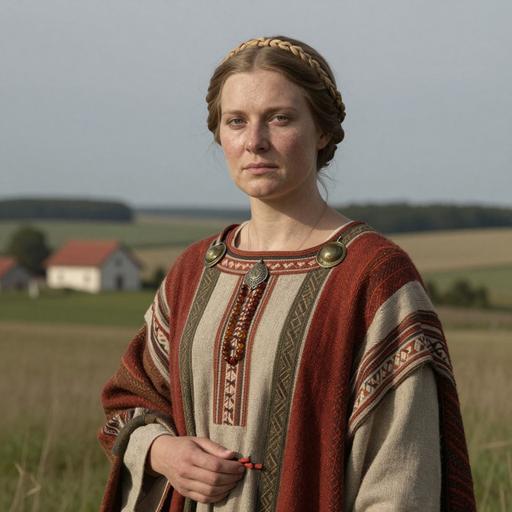
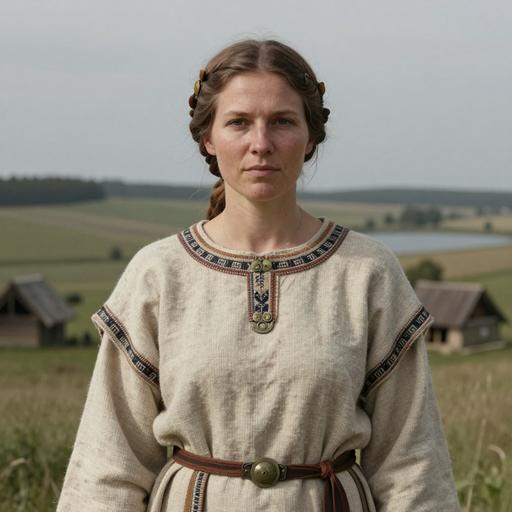
U4C1 is most frequently reported in northern and eastern parts of Europe and in western Siberia, with sporadic low-frequency occurrences in Central Asia, the Caucasus, and isolated observations in South Asia. Modern population surveys and ancient DNA studies show the haplogroup in groups such as Finnic populations, various Russian and Baltic populations, and some indigenous Siberian groups (e.g., Nenets, Komi, and occasional Yakut samples). In Central Asia (Kazakh, Kyrgyz, Tajik) and the Caucasus the haplogroup appears at low frequency, consistent with mobility and gene flow across Eurasia during the Holocene.
Historical and Cultural Significance
The distribution and age of U4C1 link it to Mesolithic hunter-gatherer maternal backgrounds in northern Eurasia. Where it appears in ancient DNA, U4-related lineages are commonly associated with pre-Neolithic and immediate post-glacial contexts, and they often persist through later cultural transitions as minorities within populations that experienced Neolithic farmer influxes and Bronze Age steppe movements. U4C1's persistence into modern populations indicates continuity of some maternal lineages from the early Holocene across northern Eurasia, and its presence in archaeological contexts provides useful information about population structure, migration corridors, and genetic continuity in forest-steppe and subarctic zones.
Conclusion
U4C1 is a geographically focused, early Holocene maternal lineage nested within U4C. It serves as a marker of northern Eurasian Mesolithic ancestry, remaining relatively rare but geographically informative in both ancient and present-day populations across northern and eastern Europe, western Siberia, and adjoining regions. Ongoing mitogenome sequencing and targeted ancient DNA sampling continue to refine its internal structure and help clarify its exact dispersal history.
Key Points
- Origins and Evolution
- Subclades (if applicable)
- Geographical Distribution
- Historical and Cultural Significance
- Conclusion