The Story
The journey of mtDNA haplogroup U4C2
Origins and Evolution
mtDNA haplogroup U4C2 is a subclade of U4C, itself a branch of the ancient U4 lineage. The parent lineage U4 is widely recognized as part of the post-Last Glacial Maximum (LGM) and Mesolithic maternal substrate in Northern and Eastern Eurasia. Based on phylogenetic position beneath U4C (estimated ~12 kya) and the limited diversity observed within U4C2, a plausible time to most recent common ancestor (TMRCA) for U4C2 is on the order of ~9 kya, placing its origin in the early Holocene as populations expanded and reoccupied northern latitudes.
U4C2 likely formed as local maternal lineages differentiated in the forest-steppe and boreal zones of Eastern Europe and Western Siberia during the postglacial recolonization and early Holocene population movements. Like other U4 subclades, its history is tied to hunter-gatherer groups that persisted in northern Eurasia and later interacted with incoming Neolithic and Bronze Age groups.
Subclades
At present U4C2 is treated as a relatively low-diversity terminal subclade with few well-differentiated downstream lineages reported in published databases and mitogenome studies. That limited substructure is consistent with a small founder population or with constrained sampling in the regions where the haplogroup is more common. Ongoing ancient DNA sampling and expanded modern mitogenome surveys may reveal additional internal branches of U4C2 or clarify its relationships to neighboring U4C lineages.
Geographical Distribution
Modern occurrences of U4C2 are concentrated in northern and eastern parts of Europe and in parts of Siberia and Central Asia but are generally at low to moderate frequency in any one population. Reported modern and ancient samples include:
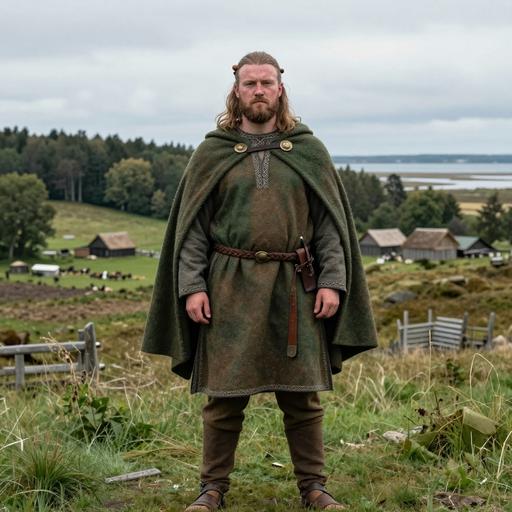
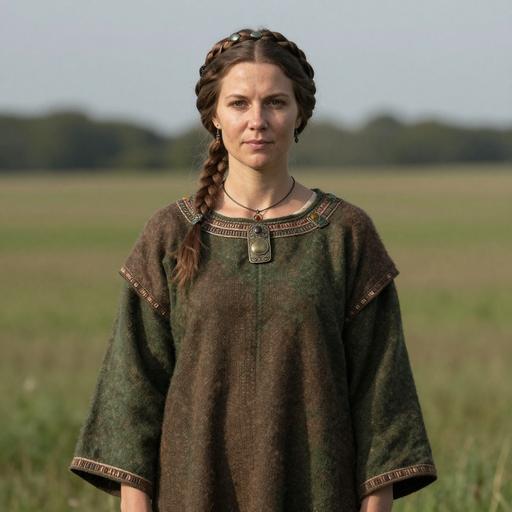
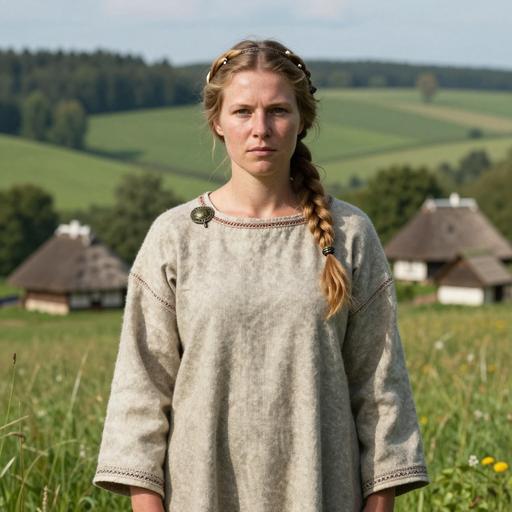
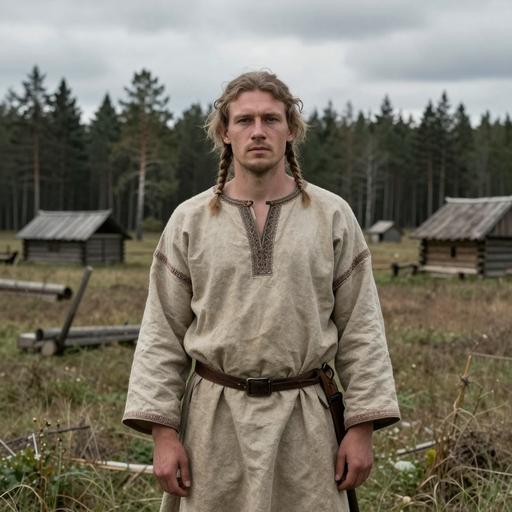
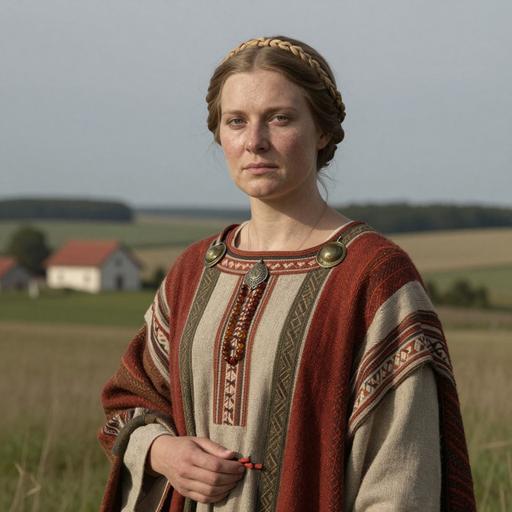
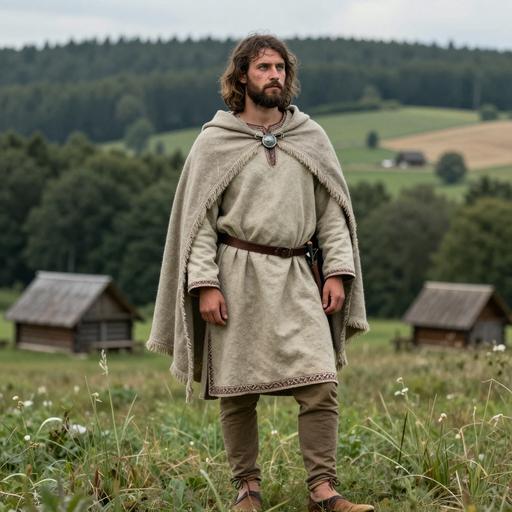
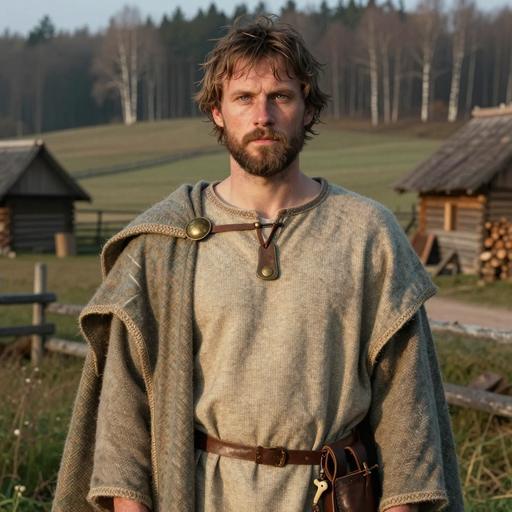
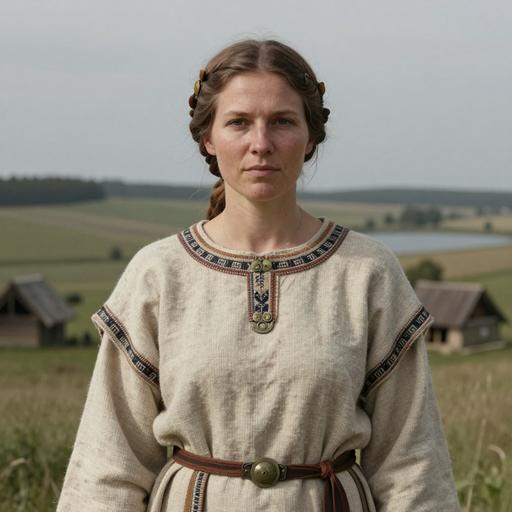
- Northern and Eastern Europe: Finns, Russians and Baltic populations show sporadic to low-moderate presence consistent with a Mesolithic substrate in the region.
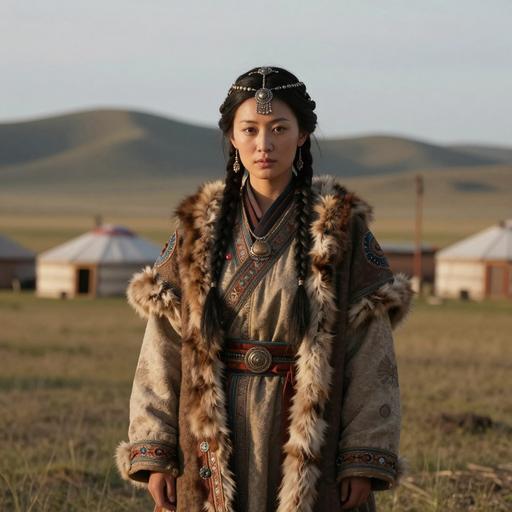
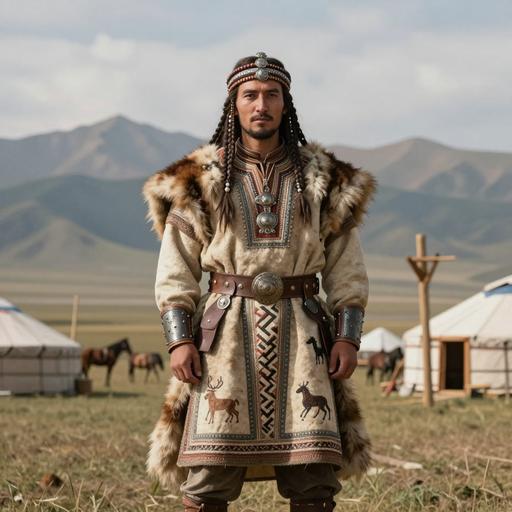
- Indigenous Siberian groups: Small numbers appear among some Nenets, Komi and isolated Yakut samples, reflecting deep connections across the forested and tundra zones.
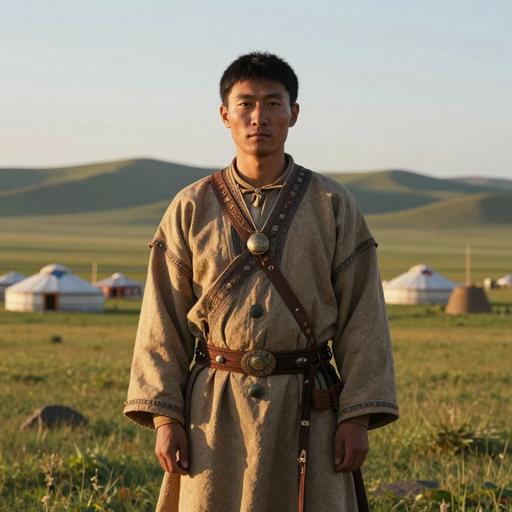
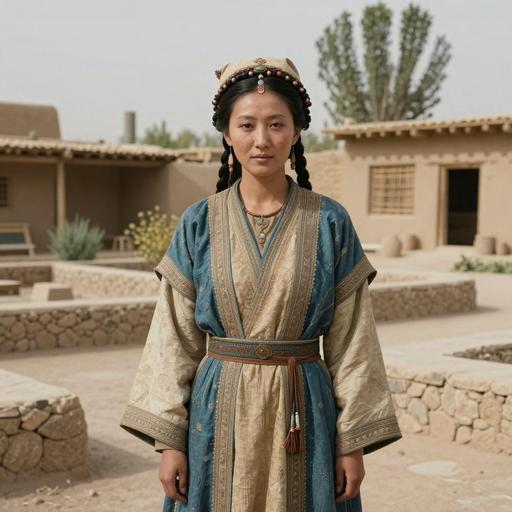
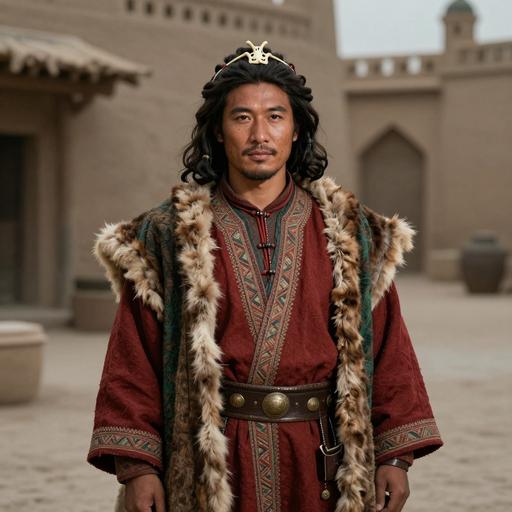
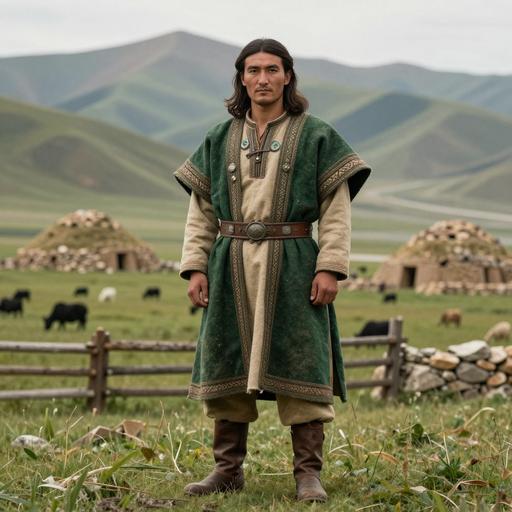
- Central Asia: Very low-frequency findings among Kazakh, Kyrgyz and Tajik individuals attest to gene flow or bottlenecked founder events linking steppe and mountain populations.
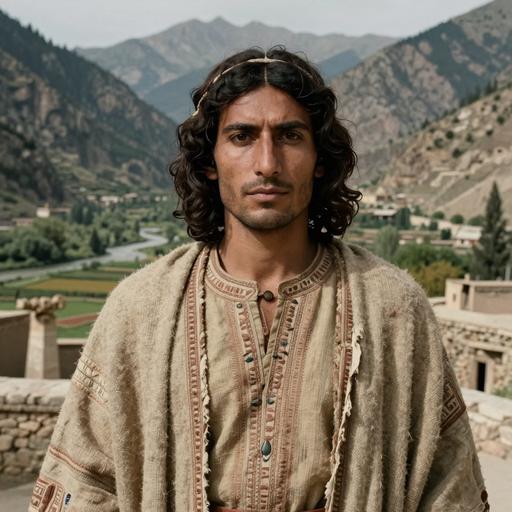
- Caucasus and South Asia: Sporadic, very low frequency occurrences are reported in some studies and likely reflect long-range dispersal, admixture, or undersampled regional diversity.
One ancient DNA sample in the referenced database carries U4C2, supporting continuity between at least some modern occurrences and early Holocene or later archaeological contexts in northern Eurasia.
Historical and Cultural Significance
U4 lineages (including U4C and downstream subclades like U4C2) are commonly interpreted as part of the maternal legacy of Mesolithic hunter-gatherers in Northern and Eastern Europe and adjacent parts of Siberia. They therefore provide a useful marker for studying:
- Postglacial recolonization of northern latitudes after the LGM.
- Genetic continuity and turnover between Mesolithic foragers and later Neolithic/Bronze Age populations.
- Connections across the forest-steppe and tundra zones that later facilitated cultural and genetic exchange between eastern Europe and western Siberia.
While U4C2 itself is not a high-frequency marker of any single archaeological culture, its presence in modern and ancient samples complements the archaeological picture of northern forager persistence and later admixture with steppe and Neolithic farmer-related groups. In regions such as Fennoscandia and the Russian North, U4C2 and related U4 subclades contribute to the maternal signature often associated with Scandinavian and Eastern European hunter-gatherer ancestries.
Conclusion
U4C2 is a relatively rare but informative mtDNA subclade reflecting early Holocene diversification of the U4 maternal lineage in Northern Eurasia. Its distribution—scattered but persistent across Northern and Eastern Europe, Siberia and parts of Central Asia—matches expectations for a lineage that traces to Mesolithic hunter-gatherer populations with later low-level dispersal and admixture. Further high-resolution mitogenome sequencing and ancient DNA sampling in underrepresented regions will help clarify U4C2's internal structure, precise age, and migratory history.
Key Points
- Origins and Evolution
- Subclades
- Geographical Distribution
- Historical and Cultural Significance
- Conclusion