The Story
The journey of mtDNA haplogroup U4D1
Origins and Evolution
mtDNA haplogroup U4D1 is a subclade within the U4 macro-lineage, itself one of the long-standing maternal lineages in Eurasia associated with post-glacial recolonization of northern and eastern Europe. Based on phylogenetic position within U4 and the geographic pattern seen in both modern and ancient DNA, U4D1 most likely diversified roughly ~11 kya (early Holocene) in an area spanning northeastern Europe into western Siberia. This timing and geography are consistent with expansion and local differentiation of hunter-gatherer groups after the Last Glacial Maximum (LGM), during a period of increasing forest and freshwater resource availability.
Subclades (if applicable)
U4D1 is itself a terminal or near-terminal branch in many published phylogenies; it derives from U4D and may contain further minor internal branches seen in high-resolution sequencing datasets. In population-level screening (control-region and coding-region variants), U4D1 is often reported as a distinct motif within datasets from northern Eurasia. Because sampling density for full mitogenomes is still variable across regions, additional substructure within U4D1 may be revealed with expanded whole-mtDNA sequencing.
Geographical Distribution
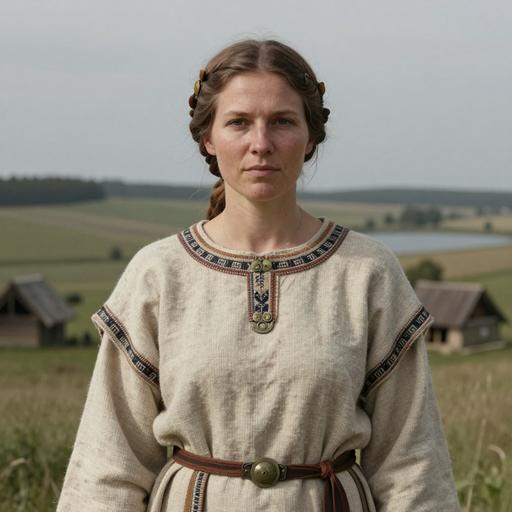
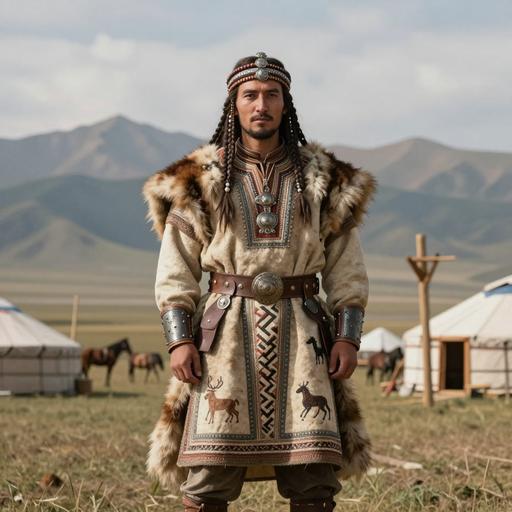
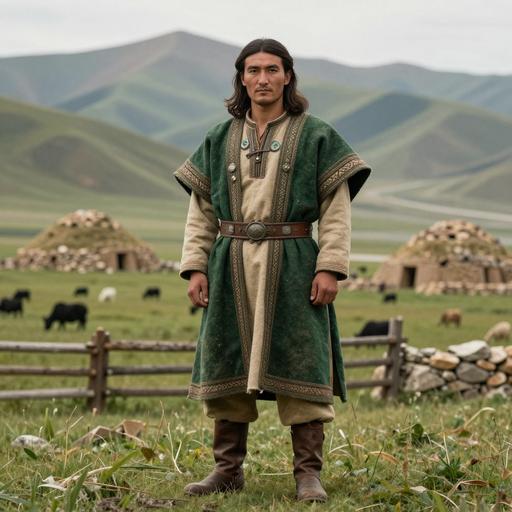
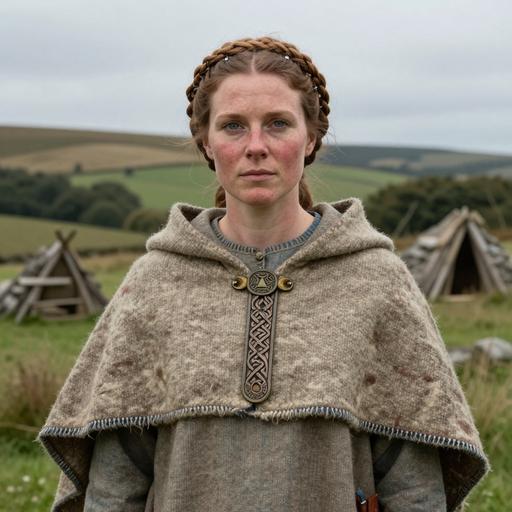
Today U4D1 is concentrated in northern and northeastern Europe and adjacent western Siberia, with detectable but lower frequencies extending into Eastern Europe and parts of Central Asia. Modern carriers are found among northern Russians, Baltic populations (Latvians, Lithuanians), Saami and other Finno‑Ugric groups, as well as among several indigenous Siberian groups. Ancient DNA studies have recovered U4D-lineage sequences (including U4D1) in Mesolithic and Bronze Age contexts from eastern Europe and steppe regions, supporting a long-term presence in these areas.
Historical and Cultural Significance
U4D1 reflects maternal continuity from Mesolithic hunter-gatherers into later prehistoric and historic populations in northern Eurasia. Its presence in Bronze Age and steppe-associated contexts indicates that maternal lineages of Mesolithic origin persisted through major cultural turnovers and sometimes spread with steppe or forest-steppe expansions. In northern Europe, U4D1 has been observed among groups that later became associated with Finno‑Ugric languages (for example, Komi, Udmurt, and Saami) suggesting it contributed to the maternal substrate of those populations, though language spread and mtDNA patterns do not track perfectly.
Ancient DNA evidence (multiple Mesolithic and Bronze Age samples) shows U4D1 as part of the maternal diversity of eastern European hunter-gatherers and steppe groups; in some archaeological horizons it appears alongside lineages more typical of steppe pastoralists, reflecting admixture and population turnover dynamics in the Holocene.
Conclusion
U4D1 is a geographically focused mtDNA lineage that offers insight into post‑LGM recolonization of northern Eurasia and maternal continuity in hunter-gatherer-derived populations. It is of particular interest for studies of Mesolithic-to-Bronze Age population dynamics, Finno‑Ugric-associated population history, and east–west connections between Europe and western Siberia. Increased whole-mitogenome sampling, especially from ancient contexts, will continue to refine its internal structure, age estimates, and migration history.
Key Points
- Origins and Evolution
- Subclades (if applicable)
- Geographical Distribution
- Historical and Cultural Significance
- Conclusion