Menu
mtDNA Haplogroup • Maternal Lineage

U4D

mtDNA Haplogroup U4D

~12,000 years ago
Eastern Europe / Western Siberia
3 subclades
41 ancient samples
Scroll to explore
Chapter I

The Story

The journey of mtDNA haplogroup U4D

Origins and Evolution

Haplogroup U4D is a descendant clade of mtDNA haplogroup U4, itself part of the broader U family that has deep roots in Upper Paleolithic and Mesolithic Europe. U4 is commonly associated with post-glacial hunter-gatherer groups across Northern and Eastern Europe and into Siberia. Based on the phylogenetic position of U4D beneath U4 and the distribution of dated ancient samples, U4D most likely arose in the early Holocene (roughly ~12 kya, post-Last Glacial Maximum expansion) in a region spanning Eastern Europe and western Siberia. This timing fits a scenario in which local Mesolithic populations diversified genetically as they expanded into newly available environments after ice retreat.

Subclades (if applicable)

U4D has been subdivided in the literature and databases into more specific lineages (commonly labelled in studies as U4d1, U4d2, etc.), reflecting later diversification events and geographic branching. These subclades show differing geographic concentrations: some branches are more frequent in Finno-Ugric and Baltic populations, while others are seen in Siberian and Central Asian contexts. The naming and boundaries of subclades have been refined with additional full mitogenome sequencing; many studies emphasize that high-resolution sequencing is necessary to resolve internal structure and migration histories.

Geographical Distribution

U4D exhibits a clear Eurasian northern/steppe distributional pattern. Modern occurrences and ancient DNA finds concentrate in:

  • Eastern and Northeastern Europe (including Russian and Baltic populations)
  • Northern Europe among some Finno-Ugric-speaking groups (e.g., Finnic and Saami-associated populations)
  • Western Siberia and adjacent Uralic-speaking groups
  • Central Asia at lower frequencies, consistent with Bronze Age and later east–west movements

Ancient DNA studies have recovered U4D in Mesolithic and Bronze Age contexts across these regions; in the user's database it appears in 18 ancient samples, reflecting both hunter-gatherer and later steppe-associated assemblages.

Historical and Cultural Significance

Because U4 and its subclades are prominent among Mesolithic hunter-gatherers of Northern and Eastern Europe, U4D is often interpreted as part of the maternal legacy of early post-glacial foragers. Over the Holocene, U4D persisted and appears in some Bronze Age pastoralist and steppe-associated groups, implying either continuity of local maternal lineages or incorporation of local women into migrating steppe societies. In modern populations, U4D is useful as a marker of northern/eastern European and western Siberian maternal ancestry and can contribute to reconstructing population continuity, admixture with incoming agriculturalists, and later demographic processes such as Finno-Ugric expansions and steppe dispersals.

Conclusion
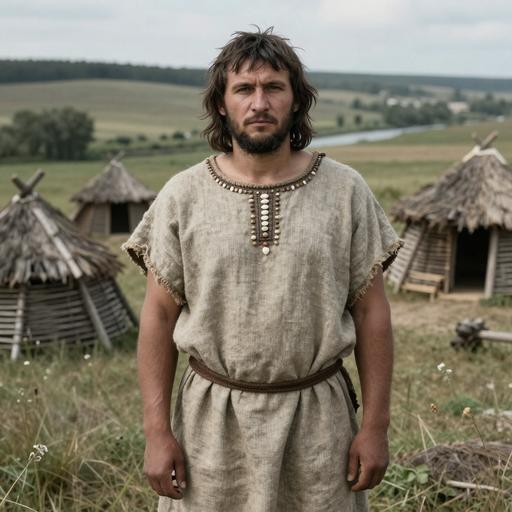
U4D represents a geographically northern and eastern branch of mtDNA haplogroup U4 that formed in the early Holocene. It links Mesolithic hunter-gatherer maternal ancestry with later Bronze Age population dynamics across the Eurasian forest-steppe and is still detectable at low-to-moderate frequencies in several modern Eurasian populations. Continued mitogenome sequencing, particularly of understudied regions and ancient remains, will further clarify its internal structure and migration history.

Key Points

  • Origins and Evolution
  • Subclades (if applicable)
  • Geographical Distribution
  • Historical and Cultural Significance
  • Conclusion

Chapter II

Tree & Relationships

Phylogenetic context and subclades

Evolution Path

This haplogroup's evolutionary journey from its earliest ancestor to the present.

Steps Haplogroup Age Estimate Archaeology Era Time Passed Immediate Descendants Tested Modern Descendants Ancient Connections
1 U4D Current ~12,000 years ago 🌾 Neolithic 12,000 years 3 4 41
2 U4 ~20,000 years ago 🏹 Mesolithic 20,000 years 4 299 31
3 U ~46,000 years ago 🦴 Paleolithic 46,000 years 12 2,835 110
4 R ~60,000 years ago 🦴 Paleolithic 60,000 years 12 10,987 57
5 N ~60,000 years ago 🦴 Paleolithic 60,000 years 15 15,452 13
6 L3 ~70,000 years ago 🦴 Paleolithic 70,000 years 11 17,621 6
7 L ~160,000 years ago 🦴 Paleolithic 160,000 years 7 18,987 5

Siblings (3)

Other branches from the same parent haplogroup

Chapter III

Where in the World

Geographic distribution and modern presence

Place of Origin

Eastern Europe / Western Siberia

Modern Distribution

The populations where mtDNA haplogroup U4D is found include:

  1. Russians (particularly northern and northeastern regions)
  2. Baltic populations (Latvians, Lithuanians)
  3. Finnic and Saami groups in Northern Europe
  4. Komi, Udmurt and other Finno-Ugric groups of the Russian North
  5. Indigenous Siberian groups (e.g., Nenets, Mansi-related populations)
  6. Ukrainians and Belarusians (eastern Europe)
  7. Some Central Asian populations at low frequencies (e.g., Kazakh, Tatar)
  8. Ancient Mesolithic and Bronze Age individuals from Eastern Europe and the steppe
CHAPTER IV

When in Time

Your haplogroup in the context of human history

~12k years ago

Haplogroup U4D

Your mtDNA haplogroup emerged in Eastern Europe / Western Siberia

Eastern Europe / Western Siberia
~10k years ago

Neolithic Revolution

Agriculture begins, settled communities form

~5k years ago

Bronze Age

Metalworking, writing, and early civilizations

~3k years ago

Iron Age

Iron tools, expanded trade networks

~2k years ago

Classical Antiquity

Greek and Roman civilizations flourish

Present

Present Day

Modern era

Your Haplogroup
Historical Era
Chapter IV-B

Linked Cultures

Ancient cultures associated with mtDNA haplogroup U4D

Cultural Heritage

These ancient cultures have been linked to haplogroup U4D based on matching ancient DNA samples from archaeological excavations. The presence of this haplogroup in these cultures provides insights into the migrations and population movements of populations carrying this haplogroup.

Dnieper-Mariupol Khvalynsk Culture Pitted Ware Popovo Culture Ukrainian Neolithic
Culture assignments are based on archaeological context of ancient DNA samples and may represent regional associations during specific time periods.
Chapter V

Sample Catalog

Top 41 ancient DNA samples directly related to haplogroup U4D or parent clades

41 / 41 samples
Portrait Sample Country Era Date Culture mtDNA Match
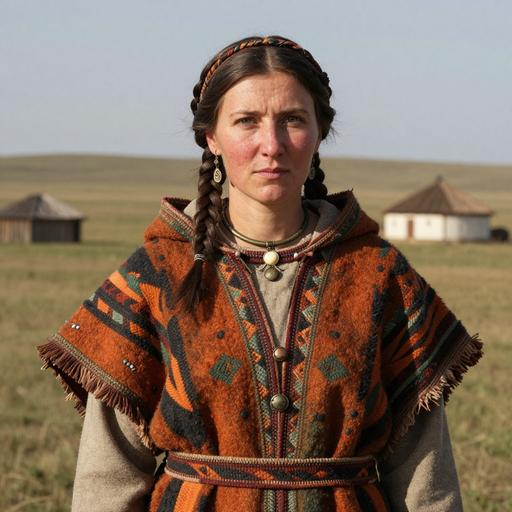
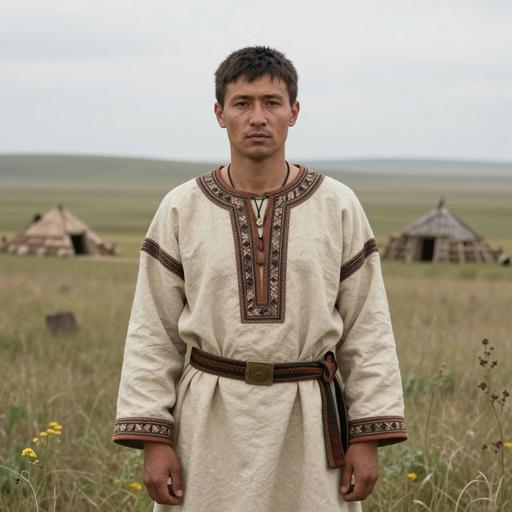
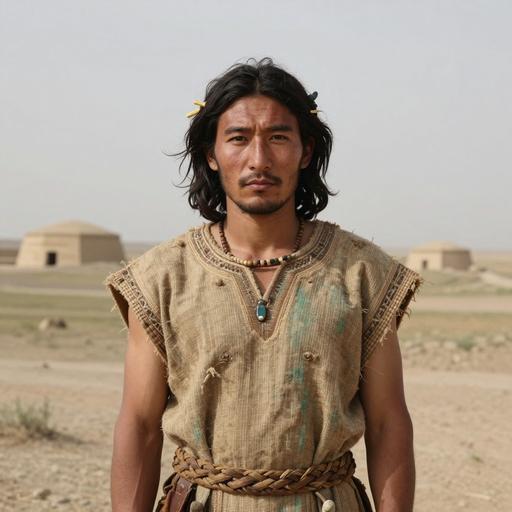
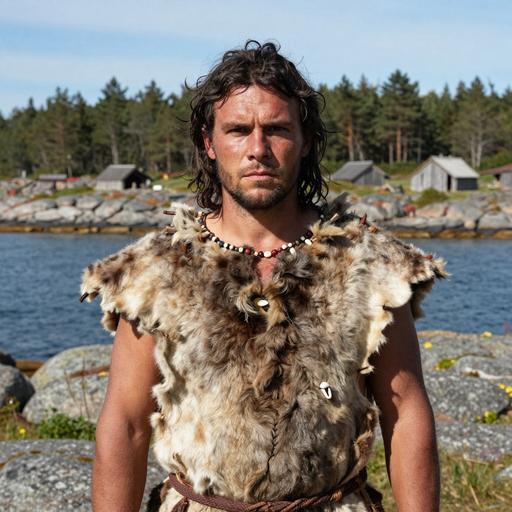
Portrait of ancient individual BIY008 from Russia, dated 300 BCE - 100 BCE
BIY008
Russia Iron Age Sargat Culture, Russia 300 BCE - 100 BCE Sargat Culture U4d2 Direct
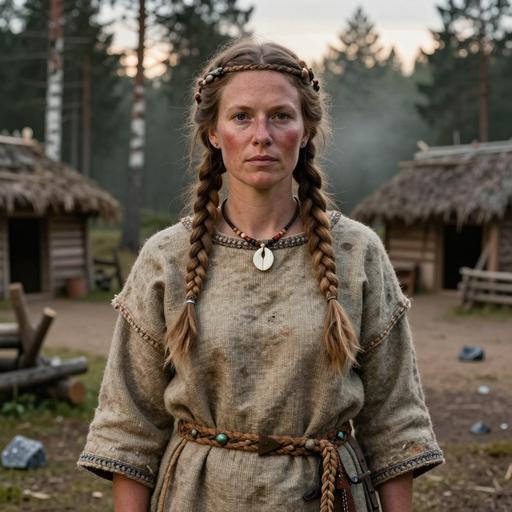
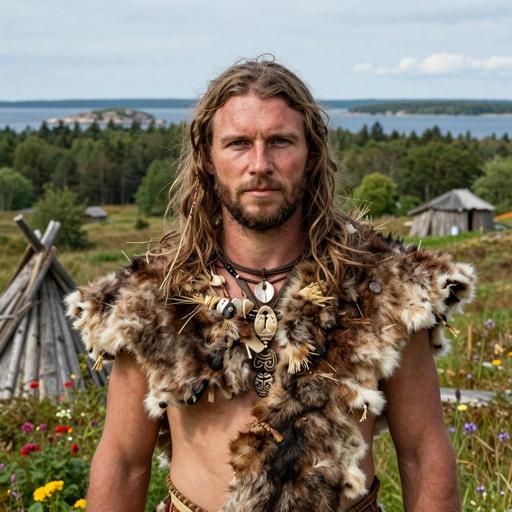
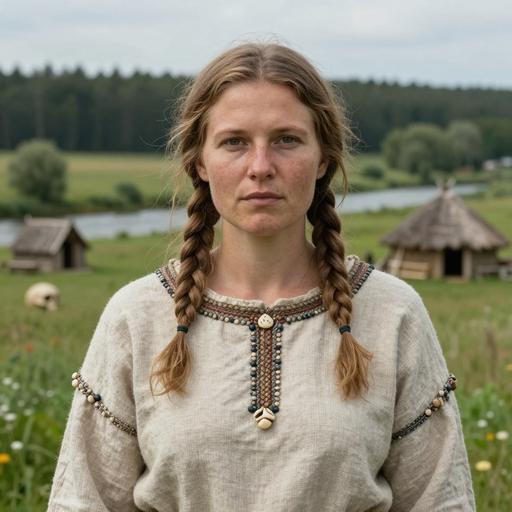
Portrait of ancient individual DA160 from Russia, dated 450 CE - 850 CE
DA160
Russia Alan Culture, Russia 450 CE - 850 CE Alan Culture U4d3 Direct
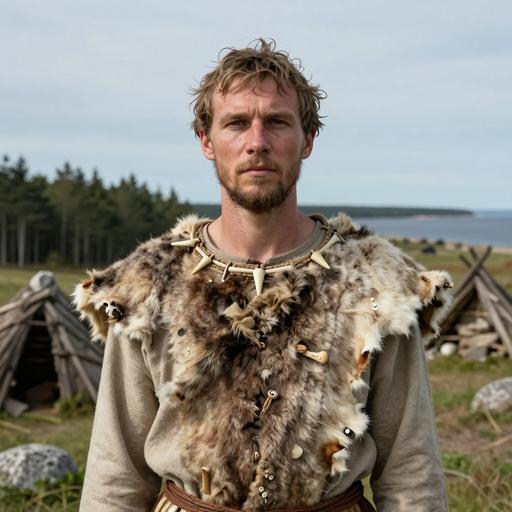
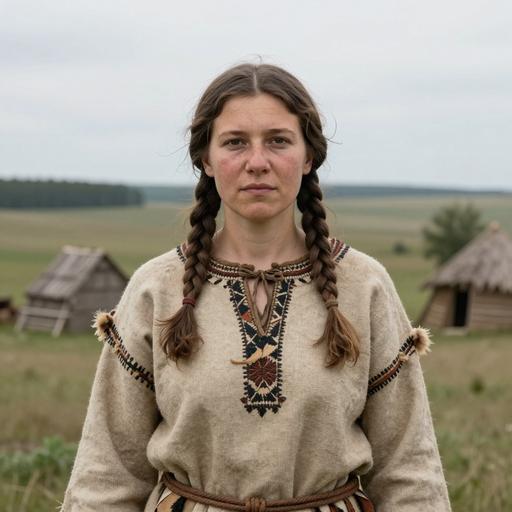
Portrait of ancient individual DA160 from Russia, dated 450 CE - 850 CE
DA160
Russia The Alan People 450 CE - 850 CE U4d3 Direct
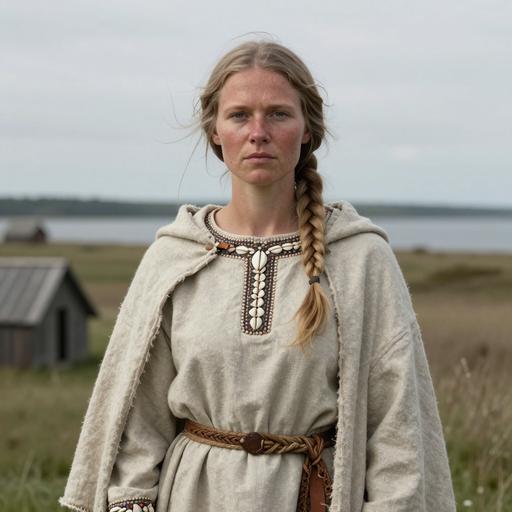
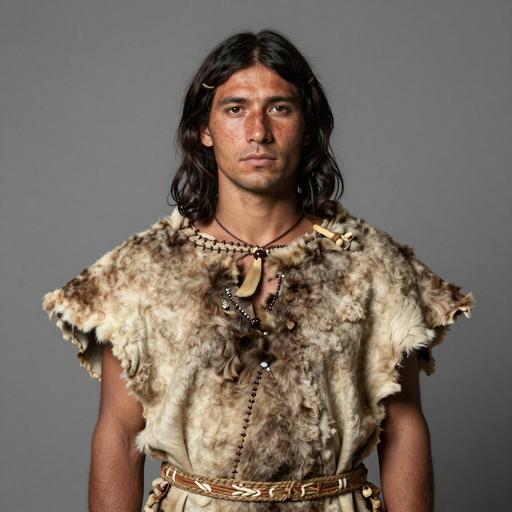
Portrait of ancient individual I17180 from Armenia, dated 755 BCE - 420 BCE
I17180
Armenia Early Iron Age Armenia 755 BCE - 420 BCE Early Iron Age Armenian U4d3 Direct
Portrait of ancient individual I6944 from India, dated 772 CE - 885 CE
I6944
India Roopkund Skeletons A 772 CE - 885 CE Roopkund Culture U4d3 Direct
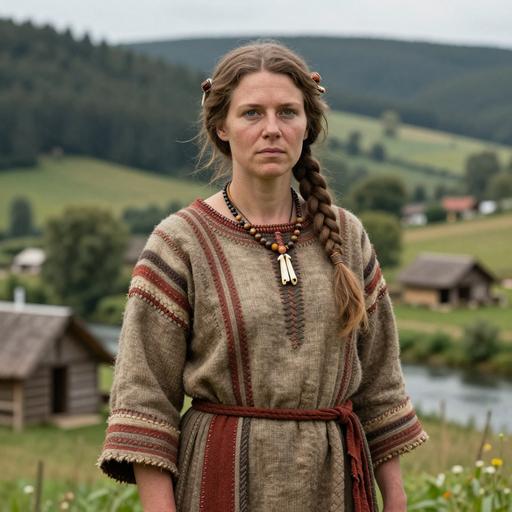
Portrait of ancient individual I15232 from Austria, dated 773 CE - 890 CE
I15232
Austria Medieval Austrian 773 CE - 890 CE Medieval Austrian U4d2 Direct
Portrait of ancient individual I18245 from Hungary, dated 900 BCE - 650 BCE
I18245
Hungary The Prescythian Mezocsat Culture in Hungary 900 BCE - 650 BCE Mezocsat Culture U4d1 Direct
Portrait of ancient individual K2-61 from Hungary, dated 900 CE - 950 CE
K2-61
Hungary Conqueror Elite Hungary 900 CE - 950 CE Magyar Elite Culture U4d2 Direct
Portrait of ancient individual LB-1432 from Hungary, dated 900 CE - 950 CE
LB-1432
Hungary Conqueror Elite Hungary 900 CE - 950 CE Magyar Elite Culture U4d2 Direct
Portrait of ancient individual I5396 from Pakistan, dated 904 BCE - 814 BCE
I5396
Pakistan The Pakistan Katelai Iron Age Culture 904 BCE - 814 BCE Katelai Culture U4d Direct
Chapter VI

Carrier Distribution Map

Geographic distribution of 41 ancient DNA samples carrying haplogroup U4D

Time Period Filter
All Time Periods
Showing all samples
Each marker represents an ancient individual
Chapter VII

Temporal Distribution

Distribution of carriers across archaeological periods

Chapter VIII

Geographic Distribution

Distribution of carriers by country of origin

Chapter IX

Country × Era Distribution

Cross-tabulation of carrier countries and archaeological periods

Data

Data & Provenance

Source information and data quality

Last Updated 2026-02-16
Confidence Score 50/100
Coverage Low
Data Source

We use the latest phylotree for MTDNA haplogroup classification and data.