The Story
The journey of mtDNA haplogroup U5A1C
Origins and Evolution
Haplogroup U5A1C is a downstream branch of mtDNA haplogroup U5a1, which itself derives from the broader U5 clade—one of the oldest and most characteristic maternal lineages of Paleolithic and Mesolithic Europe. U5a1 likely diversified during or soon after the Last Glacial Maximum as human groups recolonized Europe. U5A1C represents a more recent split within this lineage and most likely formed in Northern or Northeastern Europe during the Late Paleolithic to early Mesolithic (roughly around 13 kya, based on the time depth of U5a1 and typical subclade branch lengths).
As a derivative of a classic European hunter-gatherer lineage, U5A1C preserves the genetic signal of groups that were among the earliest post-glacial inhabitants of the northern European plain and Scandinavian peninsula. It has been observed in ancient DNA contexts and continues to appear at low-to-moderate frequencies in some modern northern populations.
Subclades
U5A1C itself is a subclade under U5a1; depending on the resolution of studies and sample coverage, additional downstream branches (sub-subclades) may be identified in high-resolution mitogenome datasets. Because U5 lineages are old and often structured regionally, U5A1C can contain geographically restricted sublineages tied to local population histories (for example, lineages concentrated in Sámi or Baltic groups). Continued mitogenome sequencing may reveal additional named subclades beneath U5A1C.
Geographical Distribution
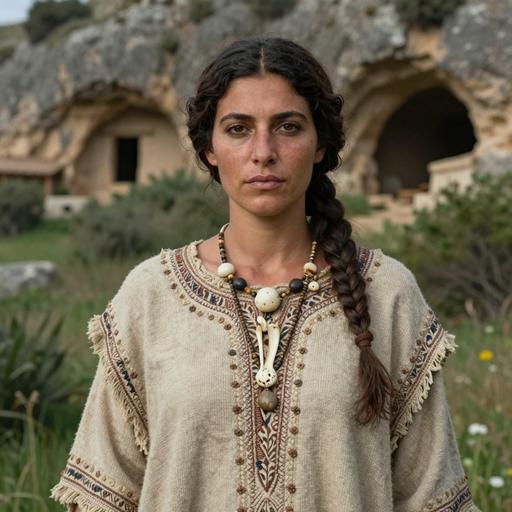
The highest concentrations of U5A1C are in Northern and Northeastern Europe, with notable presence among indigenous and long-established populations of Scandinavia and the Baltic region. It is also detected at moderate frequencies in Eastern and Central Europe. Sporadic occurrences have been reported in the Caucasus and North Africa at low frequency, usually interpreted as later gene flow or historical movements rather than primary origin signals.
Ancient DNA evidence (including the 24 archaeological samples referenced in the available dataset) places U5A1C and closely related U5a1 lineages in Mesolithic and post-glacial contexts in northern Europe, supporting a deep local continuity for aspects of the maternal gene pool from the Mesolithic into later periods.
Historical and Cultural Significance
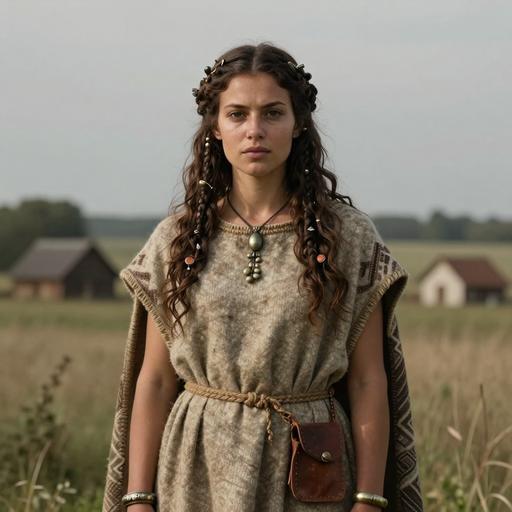
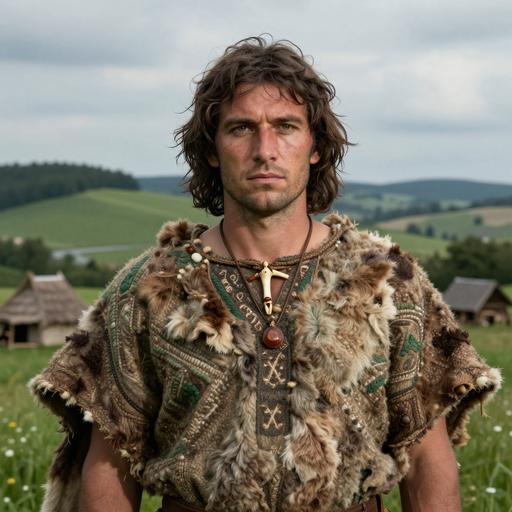
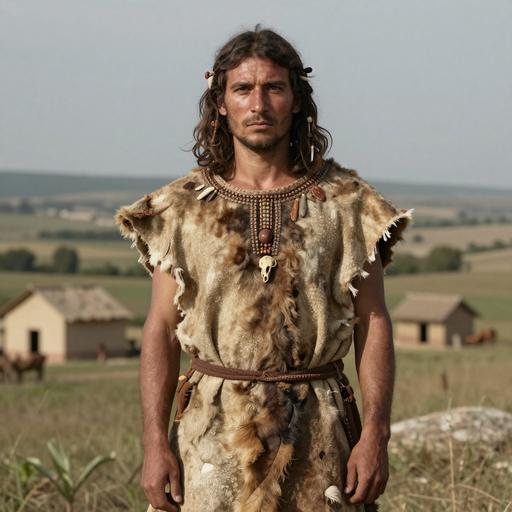
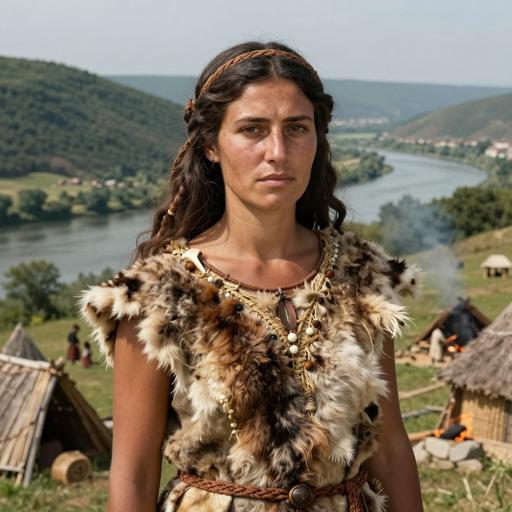
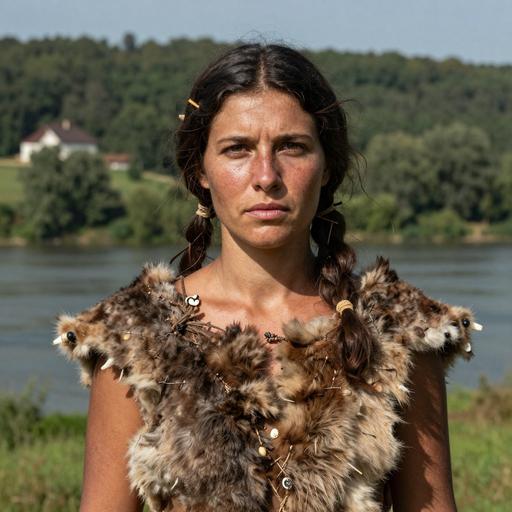
U5A1C is primarily associated with hunter-gatherer maternal ancestry in Europe. In the Mesolithic and early Neolithic, U5 lineages (including U5a-derived clades) were common among local forager groups. With the arrival of Neolithic farmers from the Near East and later Bronze Age migrations, the relative frequency of U5 lineages typically declined in many regions but persisted in higher proportions in more northerly and isolated populations (for example, parts of Scandinavia and the Baltic).
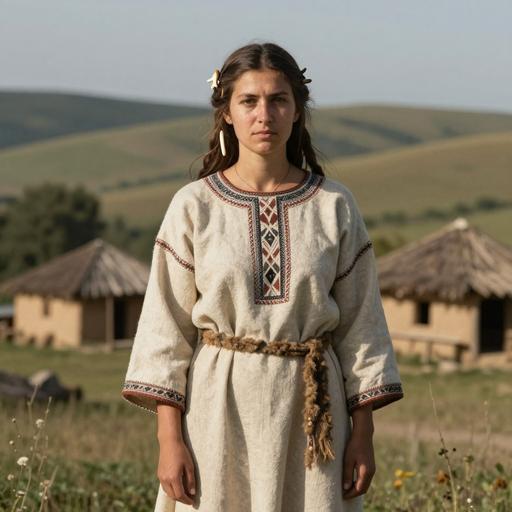
Through the Neolithic and Bronze Age, U5A1C can appear in archaeological contexts that reflect mixed ancestry — residual hunter-gatherer maternal lineages incorporated into farmer-dominated cultural horizons (e.g., Funnelbeaker/TRB, Corded Ware, and later contexts). Its persistence into medieval and modern populations provides a maternal continuity signal often used to trace northern European demographic history.
Conclusion
U5A1C is a regional European mtDNA lineage rooted in the post-glacial hunter-gatherer population structure of Northern and Northeastern Europe. Its presence in both ancient and modern samples makes it a useful marker for studying Mesolithic continuity, local demographic stability in northern latitudes, and the assimilation of indigenous maternal lineages into later cultural complexes across Europe. Ongoing full mitogenome sequencing and expanded ancient sampling will refine its substructure and geographic microdistribution further.
Key Points
- Origins and Evolution
- Subclades
- Geographical Distribution
- Historical and Cultural Significance
- Conclusion