The Story
The journey of mtDNA haplogroup U5A1M
Origins and Evolution
U5A1M is a downstream branch of mtDNA haplogroup U5a1, which itself derives from the broader European haplogroup U5. Haplogroup U5 is one of the oldest continuous maternal lineages in Europe, associated with Late Glacial and Mesolithic hunter‑gatherer populations. As a subclade of U5a1, U5A1M most likely formed after the Last Glacial Maximum during the post‑glacial recolonization and regional differentiation of maternal lineages in Northern and Northeastern Europe. Molecular clock estimates for closely related U5a1 subclades and the internal diversity of U5 in ancient DNA suggest a time depth on the order of several thousand years after the Late Glacial period; a reasonable estimate for the origin of U5A1M is around 7 kya (early to mid‑Holocene), though confidence is moderate because of limited sampling for this specific subclade.
Subclades
U5A1M is itself a terminal or narrowly defined subclade in current databases (only a small number of sequences or a single ancient sample has been reported). Because it is rare and sparsely sampled, documented downstream branches are limited or absent in public phylogenies. The scarcity of observed diversity within U5A1M suggests either a relatively recent origin or under‑sampling of populations where it may persist.
Geographical Distribution
The geographical footprint of U5A1M mirrors that of its parent U5a1, but at generally lower frequencies. It is most strongly associated with:
- Northern and Northeastern Europe, including Fennoscandia and the Baltic region, where U5a1 sublineages reach their highest relative frequencies.
- Indigenous Northern European groups (e.g., Saami) and other populations with documented Mesolithic continuity show enrichment for certain U5 lineages; rare U5A1M findings are consistent with these patterns.
- Low frequency occurrences or isolated reports exist in Central and Western Europe and, more sporadically, in the Caucasus and parts of North Africa, reflecting later movement, gene flow, or long‑distance ancestry sharing.
Only one ancient DNA occurrence of U5A1M is documented in the database referenced, indicating presence in archaeological contexts but emphasizing its rarity in current sampling.
Historical and Cultural Significance
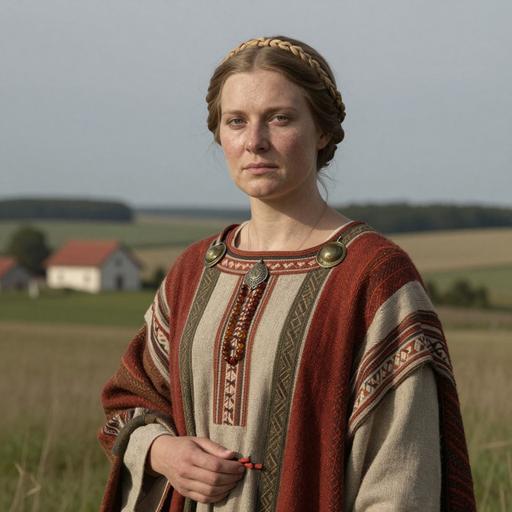
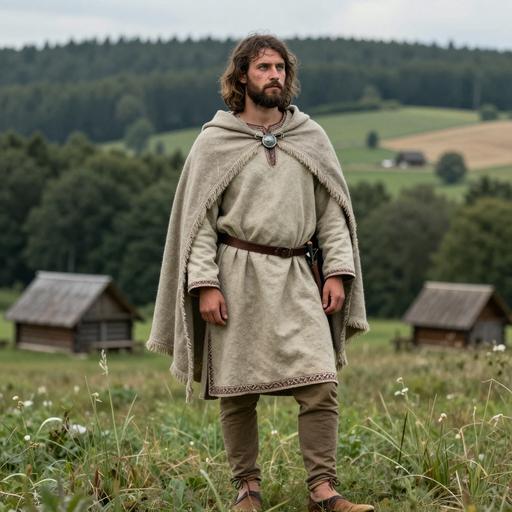
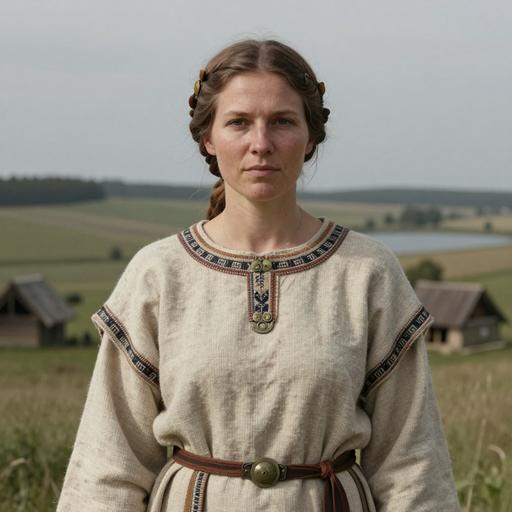
Haplogroup U5 and its U5a/U5a1 derivatives are strongly tied to European Mesolithic hunter‑gatherers and illustrate maternal continuity in parts of Europe through the Holocene. U5A1M, specifically, likely represents a localized maternal lineage that persisted through cultural transitions (Mesolithic → Neolithic → Bronze Age) without becoming a common lineage in expanding farming populations. Its presence in Northern and Northeastern Europe aligns with scenarios of post‑glacial recolonization followed by long‑term regional continuity and limited gene flow from Near Eastern farmer expansions.
Because U5A1M is rare, its cultural signal is subtle: it is more informative about micro‑regional maternal continuity and genetic drift in small or isolated populations (for example, upland, coastal, or high‑latitude groups) than about major continental migrations.
Conclusion
U5A1M is a low‑frequency, regionally concentrated mtDNA subclade of U5a1 reflecting post‑glacial maternal diversification in Northern and Northeastern Europe. It provides evidence for the persistence of Mesolithic maternal heritage in certain populations and underscores the patchy, under‑sampled structure of rare mitochondrial lineages. Future targeted sampling of indigenous and understudied Northern Eurasian populations, together with additional ancient DNA data, would clarify its true age, geographic spread, and any finer substructure.
Key Points
- Origins and Evolution
- Subclades
- Geographical Distribution
- Historical and Cultural Significance
- Conclusion