The Story
The journey of mtDNA haplogroup U5A2F1
Origins and Evolution
mtDNA haplogroup U5A2F1 is a terminal/subterminal branch within the broader U5A2F clade, itself nested under the well‑known European hunter‑gatherer haplogroup U5A2. The parent clade (U5A2F) is generally dated to the Late Glacial or early post‑glacial period in Northern/Eastern Europe (~12 kya). Given that U5A2F1 is a downstream lineage, its likely coalescence time is somewhat younger (estimated here at ~10 kya), arising during the early Holocene as Mesolithic populations expanded and re‑colonized high latitudes after the Last Glacial Maximum.
The phylogenetic position of U5A2F1 — a low‑diversity, regionally concentrated clade — suggests it arose within a relatively restricted population of northern hunter‑gatherers and was carried forward in pockets of continuity (for example, in Fennoscandian and Baltic refugial populations).
Subclades
At present U5A2F1 is treated as a downstream lineage of U5A2F with limited further branching documented in public databases and the literature; it appears to be a relatively low‑diversity, geographically focused clade. This pattern is consistent with a terminal haplogroup that persisted in northern populations with small effective population sizes and limited long‑distance spread. As more high‑coverage ancient and modern mitogenomes are sequenced, minor downstream subbranches may be discovered, but current evidence indicates few well‑defined subclades beneath U5A2F1.
Geographical Distribution
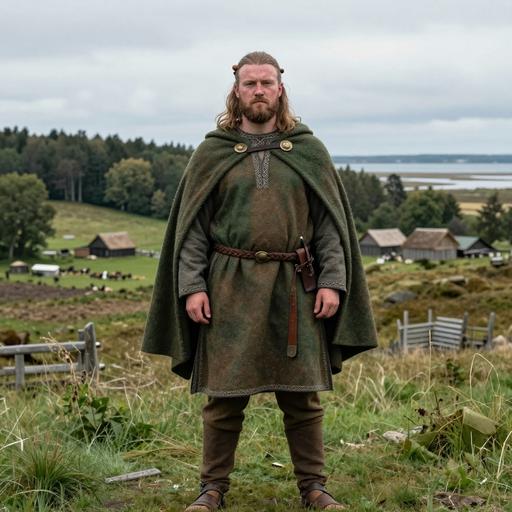
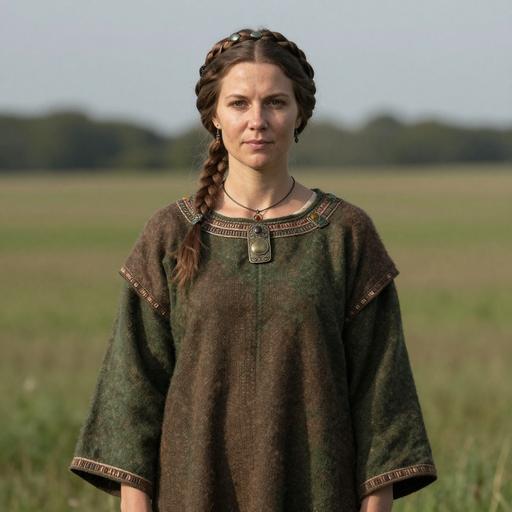
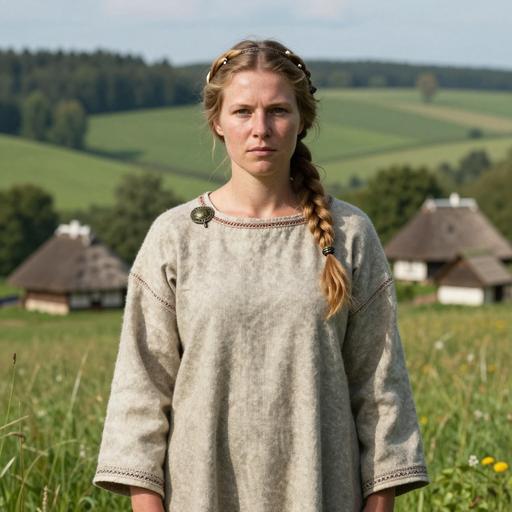
U5A2F1 is concentrated in Northern and parts of Eastern Europe, reflecting the survival of Mesolithic maternal lineages in high‑latitude refugia and their persistence through the Holocene. Observed occurrences include:
- High relative frequency in northern Scandinavia and among some Saami lineages (where U5 sublineages are common),
- Moderate presence in Baltic populations and northwestern Russia, likely reflecting continuity from Mesolithic and early Neolithic forager groups in the region,
- Lower frequencies across Western and Central Europe, consistent with dilution by later Neolithic farmer expansions and Bronze Age migrations,
- Sporadic low‑frequency occurrences in the Caucasus, Central Asia and North Africa, which likely reflect later long‑distance gene flow or rare historical dispersals rather than primary centers of origin.
The haplogroup is also attested in ancient DNA: several Mesolithic and early Holocene European hunter‑gatherer remains (including at least two curated ancient samples in specialized databases) carry U5A2F or its downstream branches, supporting its antiquity in the region.
Historical and Cultural Significance
Haplogroup U5A2F1 is primarily associated with post‑glacial hunter‑gatherer populations of northern Europe and therefore carries significance for studies of Mesolithic population structure, post‑LGM recolonization, and the genetic continuity of high‑latitude populations. Unlike many Neolithic farmer‑associated mtDNA lineages, U5A2F1 reflects the persistence of pre‑farming maternal ancestries into later periods.
Culturally, lineages like U5A2F1 are informative when interpreting the genetic makeup of archaeological cultures in northern Europe (for example, in Fennoscandia and the Baltic region). Their presence or absence helps distinguish continuity of hunter‑gatherer maternal ancestry versus replacement or admixture from agricultural and steppe‑derived groups.
Conclusion
U5A2F1 is best understood as a geographically focused, post‑glacial mtDNA lineage rooted in Northern/Eastern Europe, reflecting Mesolithic hunter‑gatherer ancestry that has persisted, at varying frequencies, into modern northern populations (notably Saami and Scandinavian groups). Its limited diversity and regional concentration make it a useful marker for tracing maternal continuity and local demographic history in high‑latitude Europe, and continued sampling of both modern and ancient mitogenomes will refine its internal structure and temporal depth.
Key Points
- Origins and Evolution
- Subclades
- Geographical Distribution
- Historical and Cultural Significance
- Conclusion