The Story
The journey of mtDNA haplogroup U5B1E1
Origins and Evolution
mtDNA haplogroup U5B1E1 is a downstream branch of U5B1E, itself a localized subclade of the much older European U5 lineage. The deep U5 clade traces to Paleolithic and Mesolithic hunter-gatherer populations of Europe, but U5B1E and its descendants represent a later, regionally restricted diversification. Based on phylogenetic position and available ancient DNA, U5B1E1 most likely formed in Northern/Central Europe in the late Bronze Age (roughly ~3.0 kya) as a late-branching derivative of U5 diversity that had persisted in northern populations after the postglacial period.
Subclades
At present U5B1E1 is documented as a low-diversity terminal branch in published and database samples. There are few if any widely recognized downstream subclades of U5B1E1 in public phylogenies; many observed instances are defined by private mutations or very small regional clusters. Continued sequencing of full mitogenomes from under-sampled regions could reveal additional micro-branches, but currently U5B1E1 behaves as a rare, late-branching terminal lineage.
Geographical Distribution
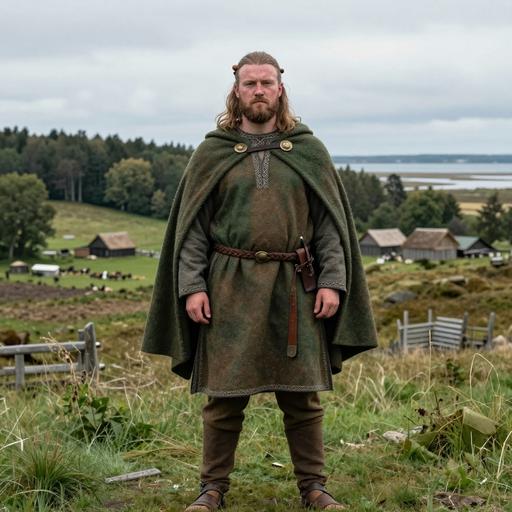
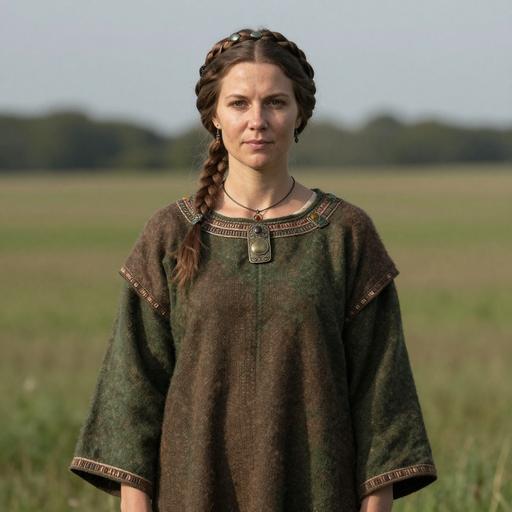
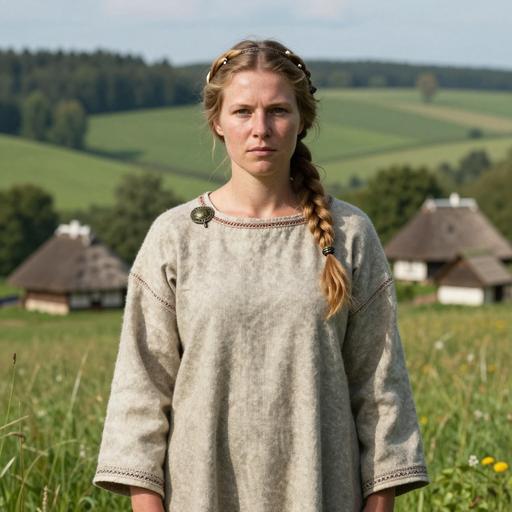
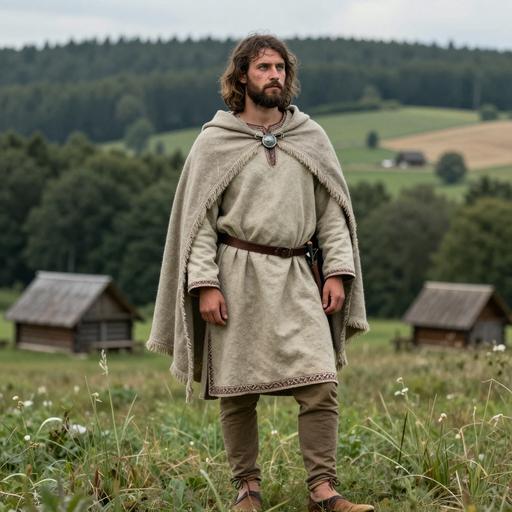
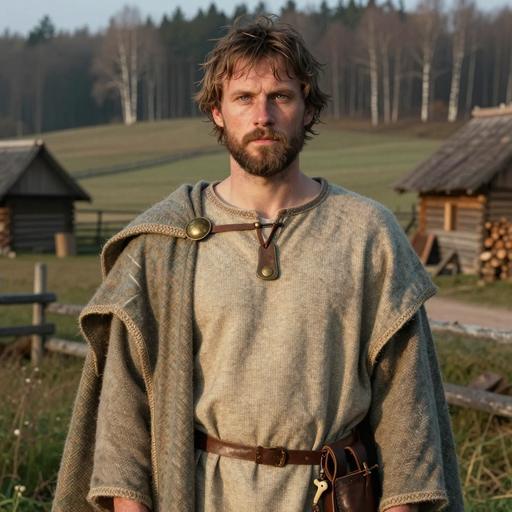
U5B1E1 is geographically concentrated in Northern and parts of Central Europe with scattered occurrences farther afield. Modern and ancient detections are sparse but show the greatest relative frequency among Saami and some Scandinavian groups, with isolated occurrences reported in the British Isles, Iberia, Central/Eastern Europe and occasional low-frequency finds in North Africa and the Caucasus. The haplogroup appears in a small number of archaeological samples (nine entries in the referenced database), consistent with a rare but long-standing maternal lineage that experienced local persistence rather than wide prehistoric expansion.
Historical and Cultural Significance
Because U5 as a whole is strongly associated with European Mesolithic hunter-gatherers, presence of late branches like U5B1E1 highlights a complex picture of continuity and later regional diversification. The association of U5B1E1 with Saami and northern Scandinavian populations suggests maternal continuity or assimilation of older northern lineages into later cultural horizons (Bronze Age, Iron Age, and historic-era groups). The rarity of U5B1E1 means it is not a marker of large migrations (unlike some Neolithic farmer or steppe-associated lineages) but is valuable for reconstructing microphylogeography and local maternal ancestry trajectories in northern Europe.
Conclusion
U5B1E1 is a scientifically informative but rare mitochondrial subclade: a late-branching descendant of European U5 diversity that likely arose in Northern/Central Europe during the Bronze Age and has persisted at low frequency, particularly in northern populations such as the Saami and Scandinavians. Its limited distribution and low diversity make it a marker of localized maternal continuity rather than broad prehistoric demographic events, and additional whole-mitogenome sampling may clarify its finer substructure and historical movements.
Key Points
- Origins and Evolution
- Subclades
- Geographical Distribution
- Historical and Cultural Significance
- Conclusion