Menu
mtDNA Haplogroup • Maternal Lineage

U6A6B

mtDNA Haplogroup U6A6B

~9,000 years ago
Northwest Africa
0 subclades
3 ancient samples
Scroll to explore
Chapter I

The Story

The journey of mtDNA haplogroup U6A6B

Origins and Evolution

mtDNA haplogroup U6A6B is a downstream subclade of U6A6, itself nested within the broader U6 lineage that is strongly associated with Holocene maternal lineages in Northwest Africa. The parent U6 lineage has long been interpreted in population genetics as a North African-centered clade that expanded locally during the Early Holocene; U6A6B fits this pattern and most likely differentiated in situ in Northwest Africa around the Early Holocene (~9 kya). The limited diversity of U6A6B in modern samples, combined with its geographically focused distribution, suggests a relatively localized origin and subsequent low-frequency dispersals rather than wide, rapid expansions.

Subclades (if applicable)

U6A6B is itself a terminal (or near-terminal) branch in published phylogenies and modern surveys. Compared with more deeply diversified U6 sublineages, U6A6B shows restricted internal diversity in the available datasets. Where internal branching is observed, it tends to be shallow, consistent with the haplogroup's rarity and a demographic history characterized by small, regional population sizes and founder events (for example, during island colonization).

Geographical Distribution

Modern distribution: U6A6B is primarily detected among indigenous North African (Berber) populations in Morocco, Algeria and Tunisia. It also occurs among descendants of the Guanche (the indigenous people of the Canary Islands), and at low frequencies in southwestern Iberia (southern Spain and Portugal). Sporadic detections have been reported along Mediterranean coastal regions (southern France, Sicily) and in limited samples from the Near East and parts of East Africa (Ethiopia, Somalia).

Ancient DNA evidence: U6A6B has been identified in a small number of archaeological samples (three entries in the query database referenced), which supports continuity of at least some maternal U6 sublineages in Northwest Africa and adjacent regions through the Holocene. Those ancient occurrences are consistent with a pattern of regional persistence rather than repeated long-distance introductions.

Historical and Cultural Significance

The distribution of U6A6B aligns with archaeological and historical processes known from Northwest Africa and the western Mediterranean. The haplogroup's prominence within Berber populations is consistent with local Holocene demographic continuity and expansions associated with post-glacial environmental amelioration and early Holocene foraging-to-farming transitions in North Africa. The presence of U6A6B among Guanche remains and their modern descendants points to a North African source population for the initial colonizers of the Canary Islands; island founder effects likely increased the local frequency of otherwise rare maternal lineages.

Low-frequency occurrences in Iberia and other Mediterranean coasts can be explained by maritime contacts, gene flow across the Strait of Gibraltar, and historical interactions (trade, colonization, and movement of peoples) between Northwest Africa and southern Europe through the Holocene and historic periods. The sparse presence in East Africa and the Near East likely reflects secondary dispersals or back-migrations and admixture events rather than primary centers of diversification for U6A6B.

Conclusion

U6A6B is a geographically focused, low-diversity mtDNA subclade derived from the North African U6A6 lineage. It is most informative about regional maternal ancestry in Northwest Africa and the Canary Islands, and it provides a genetic signal of Holocene continuity and localized founder events rather than broad continental expansion. Continued sampling and ancient DNA work in Northwest Africa and adjacent regions may clarify small-scale demographic episodes that produced the present-day pattern of U6A6B.

Key Points

  • Origins and Evolution
  • Subclades (if applicable)
  • Geographical Distribution
  • Historical and Cultural Significance
  • Conclusion
Chapter II

Tree & Relationships

Phylogenetic context and subclades

Evolution Path

This haplogroup's evolutionary journey from its earliest ancestor to the present.

Steps Haplogroup Age Estimate Archaeology Era Time Passed Immediate Descendants Tested Modern Descendants Ancient Connections
1 U6A6B Current ~9,000 years ago 🌾 Neolithic 9,000 years 0 2 3
2 U6A6 ~9,000 years ago 🌾 Neolithic 9,000 years 1 2 0
3 U6A ~22,000 years ago 🏹 Mesolithic 22,000 years 6 76 5
4 U6 ~35,000 years ago 🦴 Paleolithic 35,000 years 4 117 10
5 U ~46,000 years ago 🦴 Paleolithic 46,000 years 12 2,835 110
6 R ~60,000 years ago 🦴 Paleolithic 60,000 years 12 10,987 57
7 N ~60,000 years ago 🦴 Paleolithic 60,000 years 15 15,452 13
8 L3 ~70,000 years ago 🦴 Paleolithic 70,000 years 11 17,621 6
9 L ~160,000 years ago 🦴 Paleolithic 160,000 years 7 18,987 5

Subclades (0)

Terminal branch - no known subclades

Chapter III

Where in the World

Geographic distribution and modern presence

Place of Origin

Northwest Africa

Modern Distribution

The populations where mtDNA haplogroup U6A6B is found include:

  1. North African Berber populations (Morocco, Algeria, Tunisia)
  2. Indigenous Guanche population of the Canary Islands (and their descendants)
  3. Iberian Peninsula (southwestern Spain and Portugal)
  4. East African populations (Ethiopia, Somalia) at low frequencies
  5. Near Eastern coastal populations at low frequencies
  6. Sporadic presence in southern France, Sicily and other Mediterranean coastal populations
CHAPTER IV

When in Time

Your haplogroup in the context of human history

~10k years ago

Neolithic Revolution

Agriculture begins, settled communities form

~9k years ago

Haplogroup U6A6B

Your mtDNA haplogroup emerged in Northwest Africa

Northwest Africa
~5k years ago

Bronze Age

Metalworking, writing, and early civilizations

~3k years ago

Iron Age

Iron tools, expanded trade networks

~2k years ago

Classical Antiquity

Greek and Roman civilizations flourish

Present

Present Day

Modern era

Your Haplogroup
Historical Era
Chapter IV-B

Linked Cultures

Ancient cultures associated with mtDNA haplogroup U6A6B

Cultural Heritage

These ancient cultures have been linked to haplogroup U6A6B based on matching ancient DNA samples from archaeological excavations. The presence of this haplogroup in these cultures provides insights into the migrations and population movements of populations carrying this haplogroup.

Epipalaeolithic North African Iberomaurusian Ifri n'Amr Kaf Taht el-Ghar Medieval Norse Moroccan Transitional Nazari Culture Peștera Muierii Ptolemaic
Culture assignments are based on archaeological context of ancient DNA samples and may represent regional associations during specific time periods.
Chapter V

Sample Catalog

Top 3 ancient DNA samples directly related to haplogroup U6A6B or parent clades

3 / 3 samples
Portrait Sample Country Era Date Culture mtDNA Match
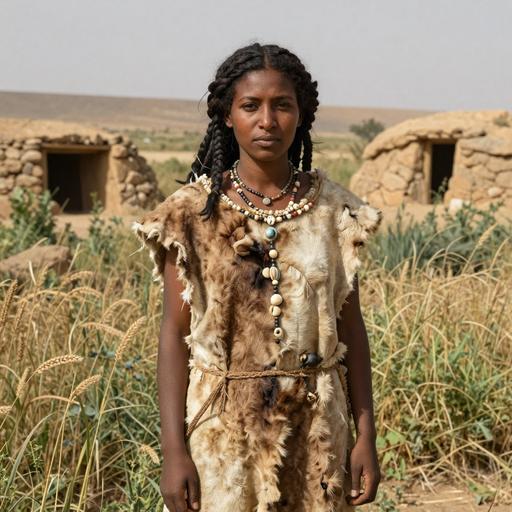
Portrait of ancient individual oub002 from Morocco, dated 5710 BCE - 5556 BCE
oub002
Morocco Epipalaeolithic Era in North Africa 5710 BCE - 5556 BCE Epipalaeolithic North African U6a6b Direct
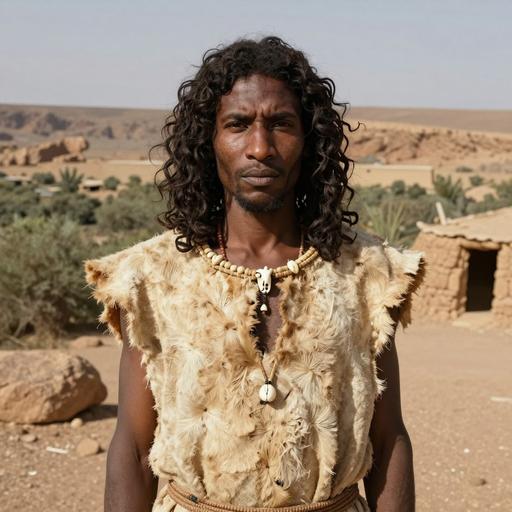
Portrait of ancient individual TAF009 from Morocco, dated 12849 BCE - 12097 BCE
TAF009
Morocco Iberomaurusian Era in Morocco 12849 BCE - 12097 BCE Iberomaurusian U6a6b Direct
Portrait of ancient individual TAF009 from Morocco, dated 12849 BCE - 12097 BCE
TAF009
Morocco The Iberomaurusian Culture 12849 BCE - 12097 BCE U6a6b Direct
Chapter VI

Carrier Distribution Map

Geographic distribution of 3 ancient DNA samples carrying haplogroup U6A6B

Time Period Filter
All Time Periods
Showing all samples
Each marker represents an ancient individual
Chapter VII

Temporal Distribution

Distribution of carriers across archaeological periods

Chapter VIII

Geographic Distribution

Distribution of carriers by country of origin

Chapter IX

Country × Era Distribution

Cross-tabulation of carrier countries and archaeological periods

Data

Data & Provenance

Source information and data quality

Last Updated 2026-02-16
Confidence Score 50/100
Coverage Low
Data Source

We use the latest phylotree for MTDNA haplogroup classification and data.