The Story
The journey of mtDNA haplogroup U7A
Origins and Evolution
mtDNA haplogroup U7A is a subclade of haplogroup U7, itself a branch of the broadly distributed haplogroup U. U7 likely has a Paleolithic origin in the Near East or adjacent South Asian regions, and U7A represents a later diversification within that lineage, probably during the Late Pleistocene to Early Holocene (Holocene onset) with a best-estimate time to most recent common ancestor in the mid-Holocene to late-glacial interval (~15 kya, acknowledging uncertainty). U7A's emergence is consistent with local survival and expansion of maternal lineages in refugial Near Eastern/South Asian populations followed by Holocene demographic processes.
Subclades (if applicable)
U7A is one of the primary sub-branches of U7 (others are often labeled U7b, U7c, etc. in different trees). Substructure within U7A has been observed in high-resolution sequencing studies, with regionally restricted sublineages that reflect localized expansions in Iran, South Asia, and adjoining regions. As with many mitochondrial subclades, finer-scale subdivisions continue to be refined as more complete mtDNA genomes from modern and ancient samples are published.
Geographical Distribution
U7A shows a center of frequency in the Near East and South Asia, with the highest observed frequencies in populations of Iran and the northwestern Indian subcontinent (India and Pakistan). Lower but notable frequencies appear across the Caucasus and into Central Asia, and sporadic low-frequency occurrences are recorded in Southern and Eastern Europe — typically interpreted as the result of Holocene gene flow, trade, and later historic contacts. U7A has been identified in multiple ancient DNA samples (15 samples appear in the reporting database referenced here), supporting its long-term presence in the Near East–South Asia corridor.
Historical and Cultural Significance
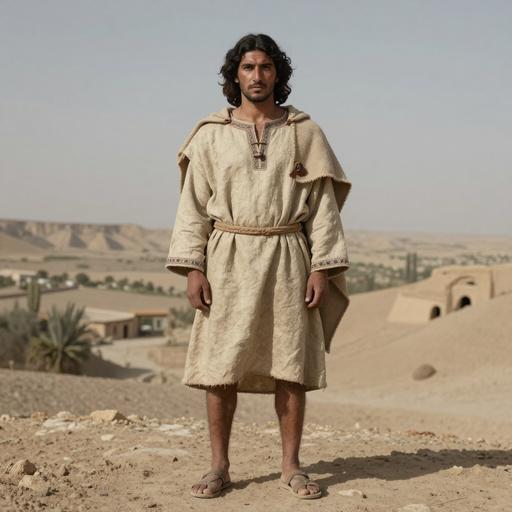
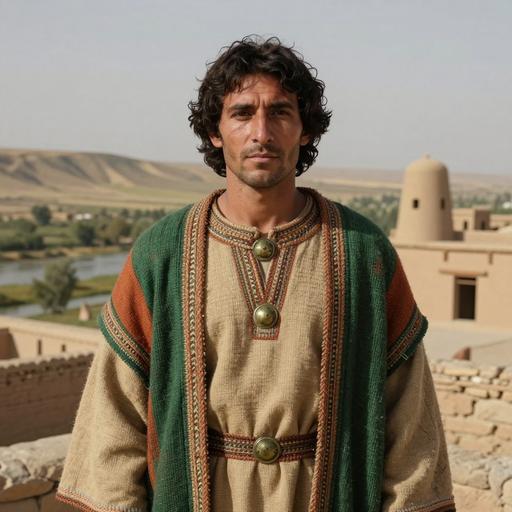
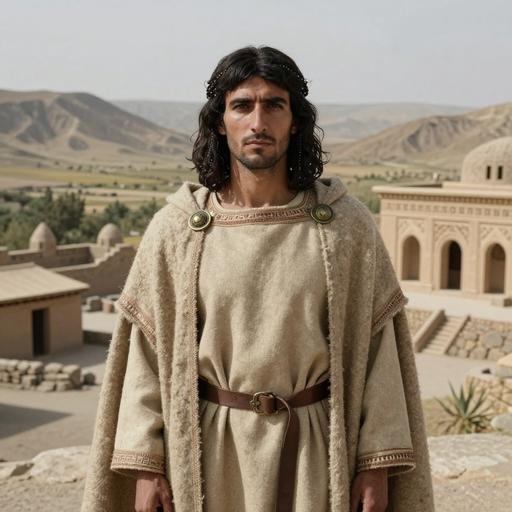
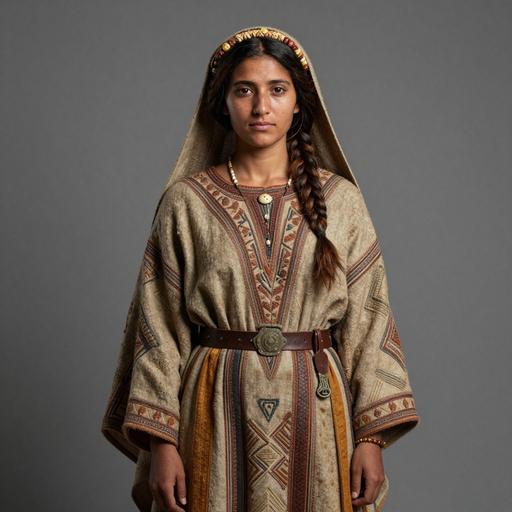
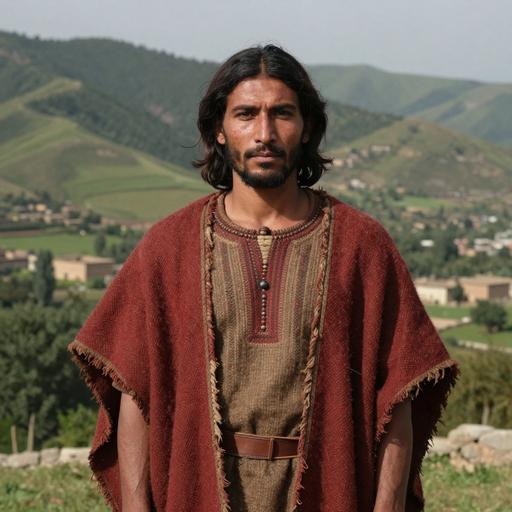
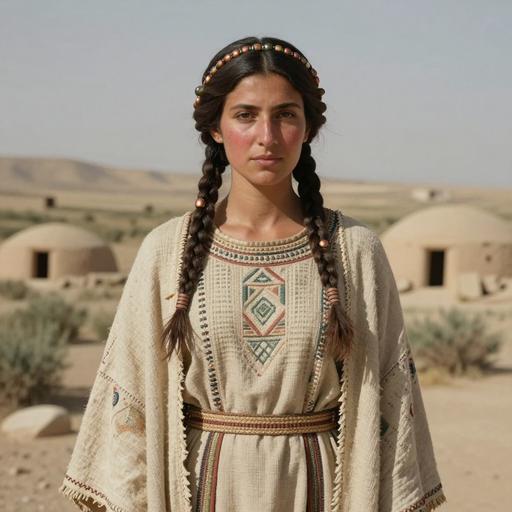
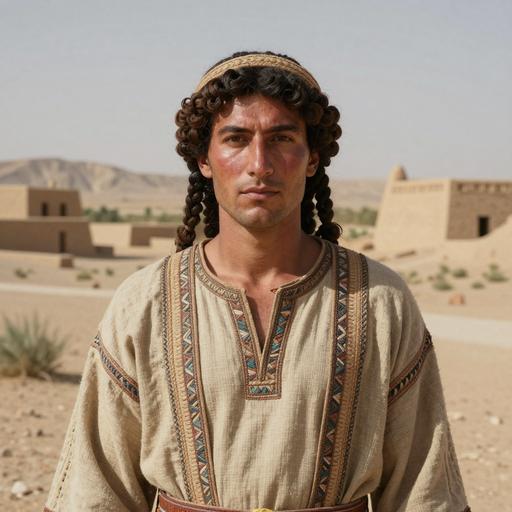
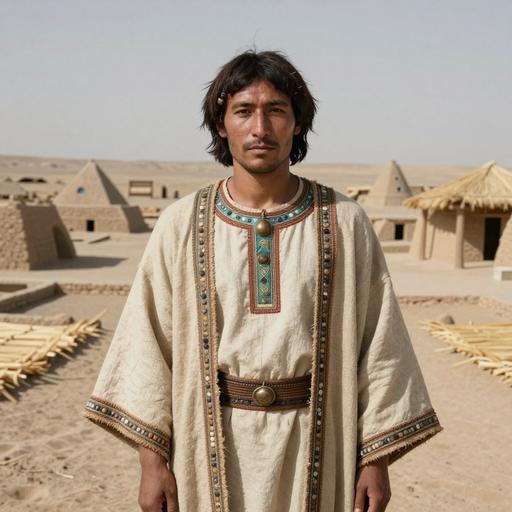
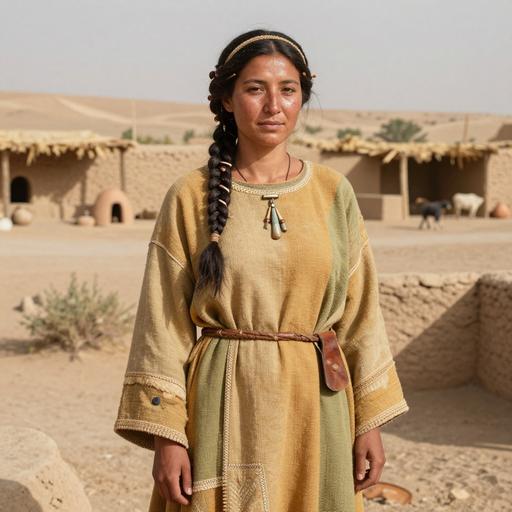
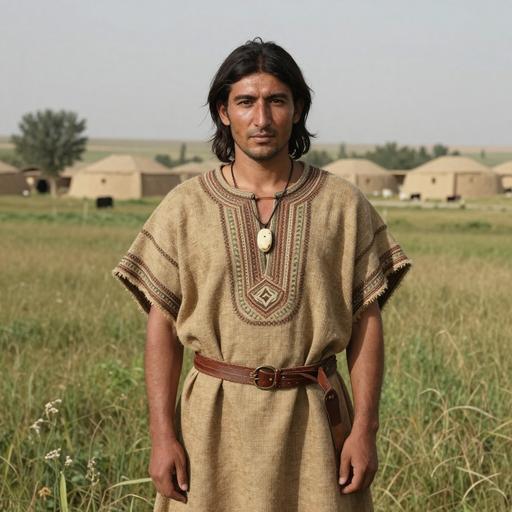
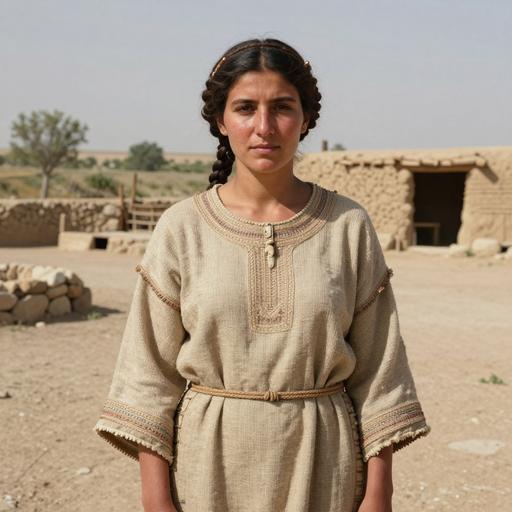
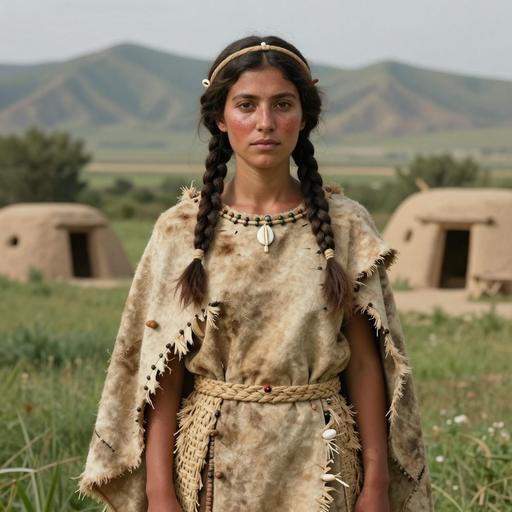
The distribution and time depth of U7A link it to demographic processes tied to the post-glacial recolonization of West Asia and the spread of Holocene cultures. U7A lineages are plausibly associated with populations involved in early Neolithic transitions in the Near East and with later coastal and inland exchange networks that connected the Near East, Iran, and the Indus Valley during the Chalcolithic and Bronze Age. The haplogroup's persistence and regional structure make it useful for reconstructing maternal ancestry and human mobility in the Near Eastern and South Asian archaeological records.
Conclusion
U7A is a regional mtDNA lineage that highlights continuity between the Near East and the Indian subcontinent across the Late Pleistocene and Holocene. It is best interpreted as a Holocene-age offshoot of U7 with strong representation in Iran and South Asia, moderate presence in the Caucasus and Central Asia, and low-level occurrences in Europe, reflecting a complex history of local survival and episodic expansions and contacts.
Key Points
- Origins and Evolution
- Subclades (if applicable)
- Geographical Distribution
- Historical and Cultural Significance
- Conclusion