The Story
The journey of mtDNA haplogroup W1I
Origins and Evolution
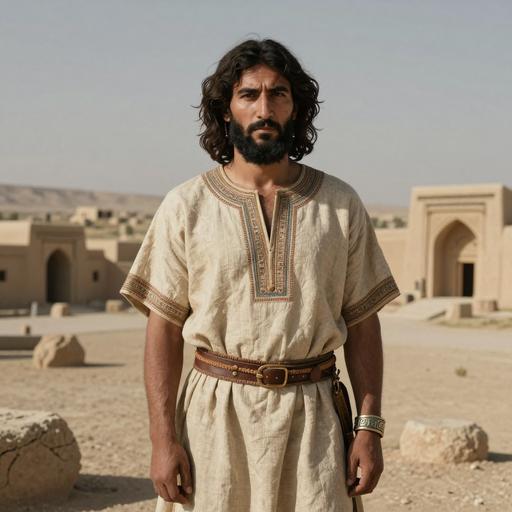
mtDNA haplogroup W1I is a derived lineage nested within haplogroup W1, itself a branch of mtDNA haplogroup W. Haplogroup W1 likely expanded from Near Eastern/Caucasus refugia after the Last Glacial Maximum and into Europe and parts of Asia during the Late Glacial and Neolithic. W1I, being a downstream subclade, most plausibly arose in the Near East or the Caucasus during the early to mid-Holocene (several thousand years after the origin of W1) and represents one of the low-frequency surviving maternal lineages from those expansions.
Because W1I is relatively rare in modern and ancient samples, time estimates have wider confidence intervals than for more common clades; the estimate above is based on phylogenetic position relative to W1 and observed diversity in sampled populations.
Subclades (if applicable)
W1I is a relatively deep but low-diversity subclade within W1. Published population surveys and phylogenetic trees identify only a few downstream branches or private variants under W1I, consistent with a small effective maternal population size or recent bottlenecks in populations that carry it. Future dense mitogenome sampling and ancient DNA recovery could reveal additional substructure or refine its internal branching and age.
Geographical Distribution
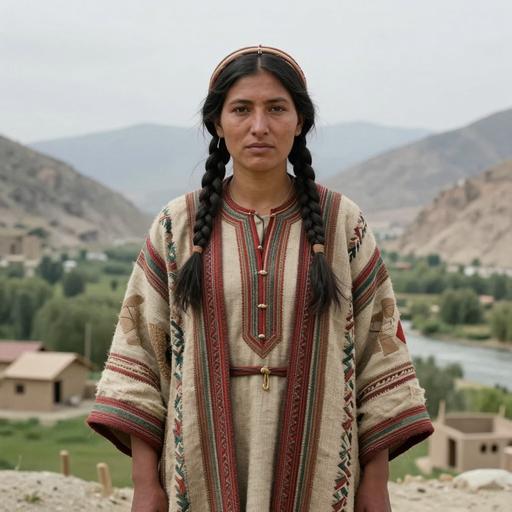
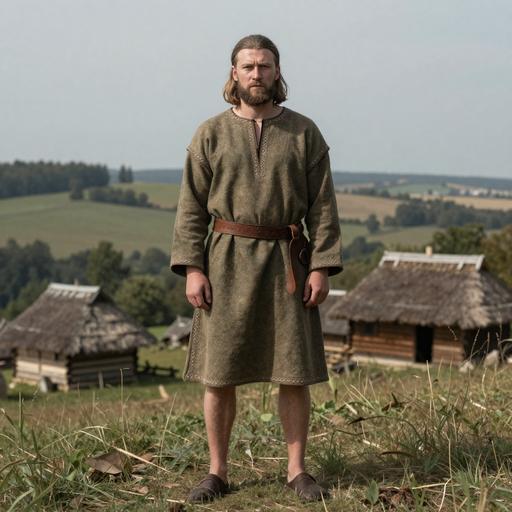
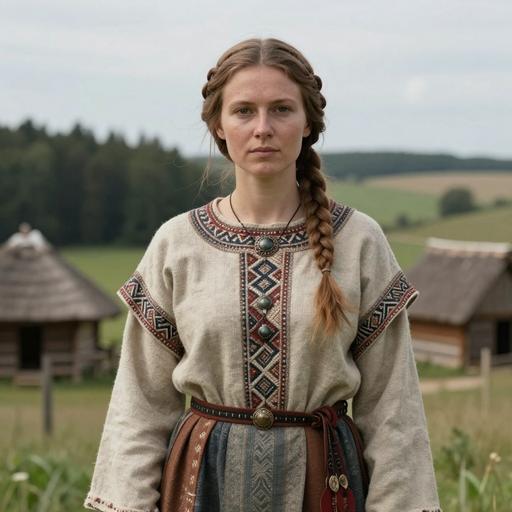
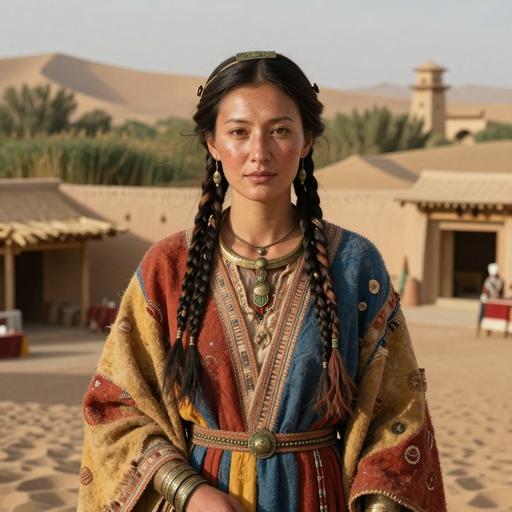
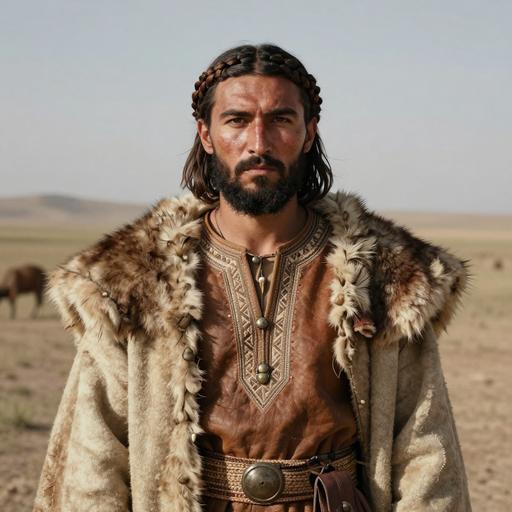
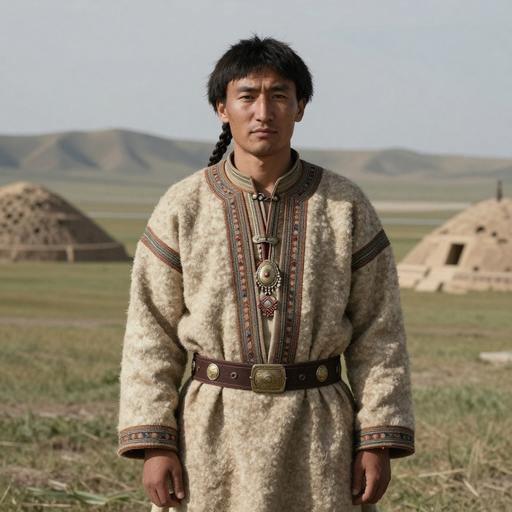
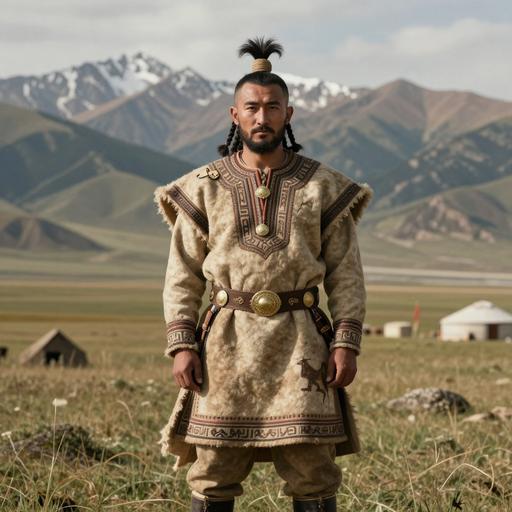
Modern occurrences of W1I are sporadic and typically low in frequency. Recorded presences cluster in regions consistent with the wider W1 distribution: the Caucasus and Anatolia, Eastern Europe (including Baltic and Slavic-speaking areas), parts of Northern Europe, Central Asia, and northwest South Asia. Scattered detections in western China and southwestern Siberia likely reflect historical eastward gene flow and long-distance contacts rather than high local prevalence.
The patchy distribution and low frequencies are characteristic of a lineage that spread with early postglacial and Neolithic demographic events and subsequently persisted in small numbers in multiple regions rather than becoming a dominant regional lineage.
Historical and Cultural Significance
W1I does not define any major archaeological culture on its own, but its geographic and temporal pattern ties it to demographic phenomena that shaped West Eurasia in the Holocene. Possible associations include:
- Spread of Near Eastern/Anatolian Neolithic matrilines into Europe and adjacent regions during the Early Neolithic.
- Continued mobility and gene flow during the Bronze Age and later periods that redistributed low-frequency maternal lineages across the Caucasus, the Pontic-Caspian region, and into South Asia via trade and migration corridors.
Because maternal haplogroups are only one component of population history, W1I is best interpreted alongside autosomal, Y-DNA, and archaeological evidence. It tends to co-occur with other West Eurasian maternal lineages (e.g., haplogroups H and U) in populations with mixed Neolithic and post-Neolithic ancestry.
Conclusion
W1I is a rare, regionally widespread subclade of W1 whose distribution reflects Near Eastern/Caucasus origins and Holocene dispersals into Europe and parts of Asia. Its low diversity and low frequency make it useful as a marker of localized maternal ancestry and as a target for future ancient DNA studies that could clarify migration routes and timing. Interpretations should remain cautious until larger mitogenome sample sets and more ancient sequences refine its phylogeny and chronology.
Key Points
- Origins and Evolution
- Subclades (if applicable)
- Geographical Distribution
- Historical and Cultural Significance
- Conclusion