The Story
The journey of mtDNA haplogroup W3A1B2
Origins and Evolution
mtDNA haplogroup W3A1B2 is a downstream branch of W3A1B within the broader W haplogroup family. The W lineage is a West Eurasian mtDNA clade with multiple regional subbranches; W3A1B2 appears to have emerged during the Holocene roughly ~6 kya in the Near East / South Asia region. As a relatively young and geographically widespread subclade, W3A1B2 likely formed as local populations carrying ancestral W lineages diversified during mid- to late-Holocene demographic events (post-glacial resettlement, Neolithic farmer dispersals, and subsequent Bronze Age population movements).
Subclades (if applicable)
W3A1B2 is itself a downstream subclade of W3A1B. At present it is a relatively fine-grained terminal lineage in published datasets and ancient samples appear to be rare (two reported aDNA occurrences in the described database). Because it sits near the tips of the W3 branch, further internal substructure may exist but remains sparsely sampled; targeted mtDNA complete-sequence studies among populations in the Caucasus, South Asia and Eastern Europe would clarify any internal branches derived from W3A1B2.
Geographical Distribution
W3A1B2 exhibits a patchy, low-to-moderate frequency distribution across a broad West Eurasian band extending from the Near East and the Caucasus through Central and South Asia into parts of Eastern and Northern Europe. Modern occurrences cluster in:
- South Asia (diverse caste and tribal groups in India and Pakistan) where the haplogroup is relatively more detectable compared with neighboring regions.
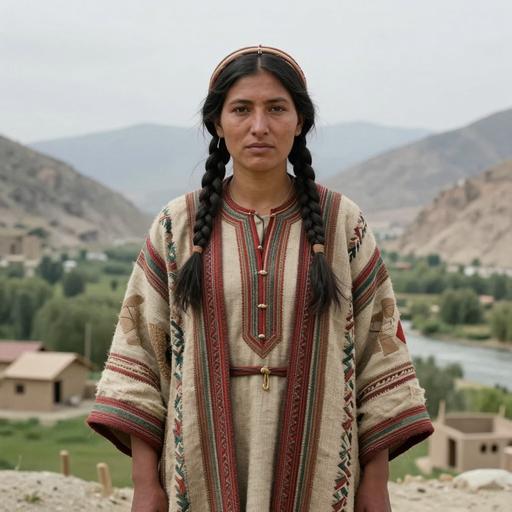
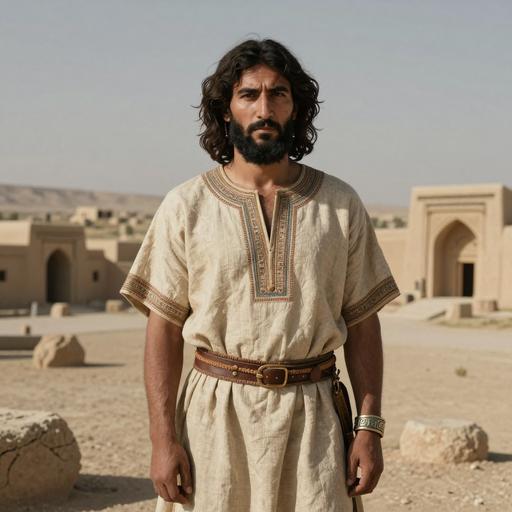
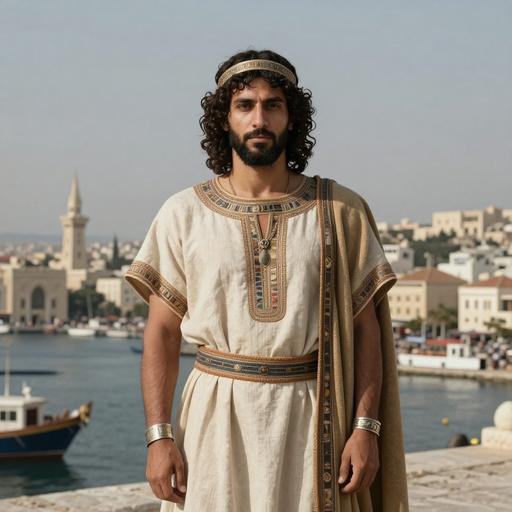
- The Caucasus and parts of the Middle East (Armenia, Georgia, Iran, Anatolia) reflecting Near Eastern roots and local continuity.
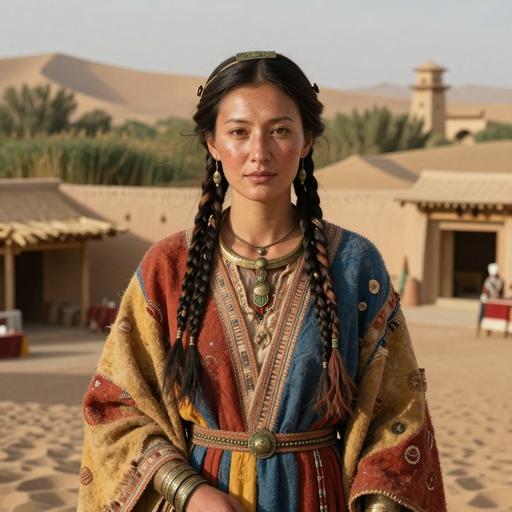
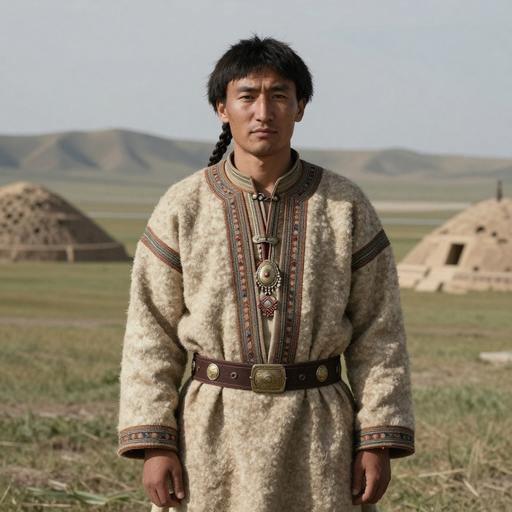
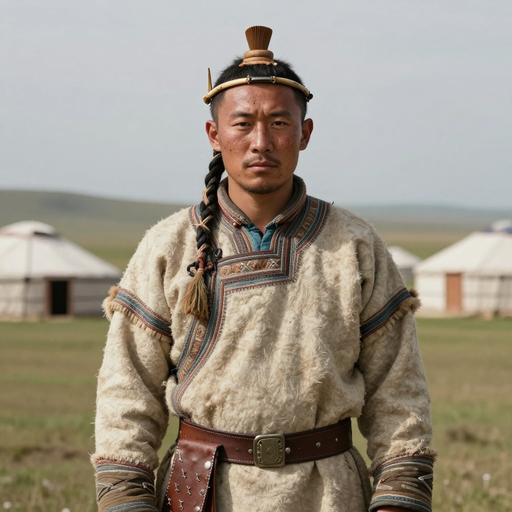
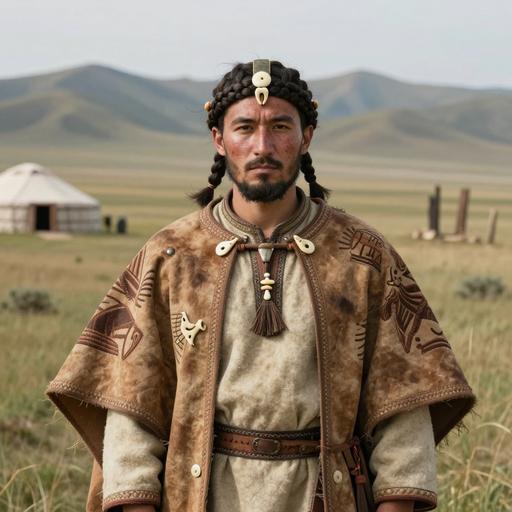
- Central Asia and western China/southern Siberia (e.g., Uyghur, Altaian) at low frequency, plausibly introduced via Bronze Age and later Silk Road-era movements.
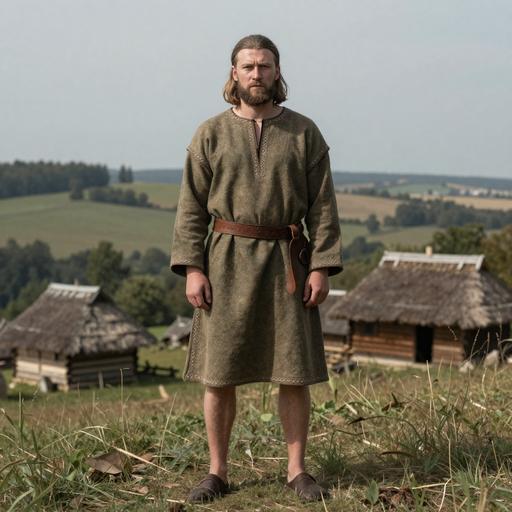
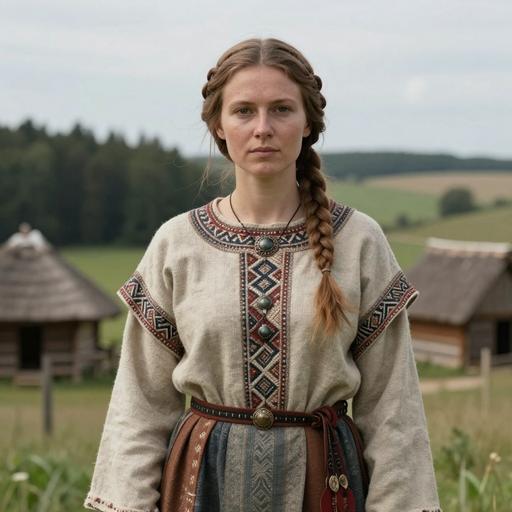
- Eastern and Northern Europe (Russians, Ukrainians, Poles, Scandinavians) where W3-derived lineages occur at low but notable frequencies, consistent with Holocene east–west gene flow and later historical admixture.
Two ancient DNA occurrences indicate the lineage has been observed in archaeological contexts, supporting its relevance to Holocene demographic processes rather than being only a modern rare variant.
Historical and Cultural Significance
While W3A1B2 is not associated with a single, high-frequency prehistoric culture, its distribution aligns with several major Holocene processes:
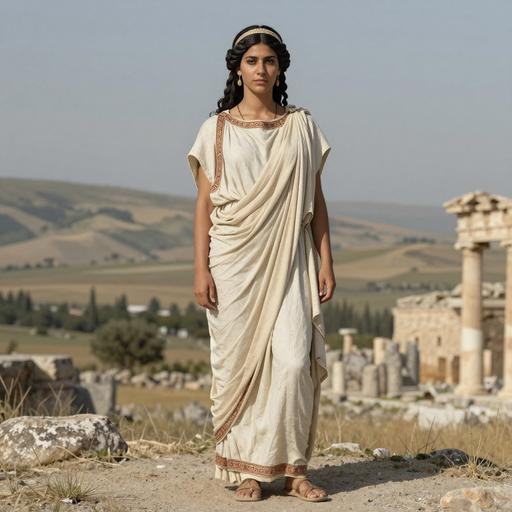
- Neolithic and post-Neolithic farmer expansions from the Near East likely distributed W-derived maternal lineages into Europe and parts of South Asia, contributing to the presence of W3A1B2 in those regions.
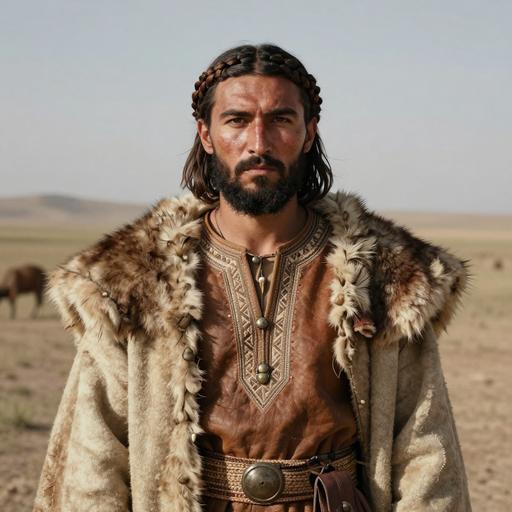
- Bronze Age mobility and steppe interactions (including movements linked to steppe pastoralist horizons and Central Asian connectivity) likely redistributed W3A1B2 into Central Asia and peripheral parts of Eurasia.
- Historic Silk Road and later trade/admixture events plausibly account for low-frequency occurrences in western China and southern Siberia.
Because the haplogroup is relatively rare and dispersed, it serves as a useful marker in population genetic and phylogeographic studies for identifying specific maternal lineages that participated in multi-directional Holocene migrations rather than marking a single demographic expansion.
Conclusion
W3A1B2 is a geographically broad but low-frequency West Eurasian mtDNA lineage that likely formed in the Near East / South Asia around ~6 kya. Its presence in modern populations across South Asia, the Caucasus, Central Asia and parts of Europe — together with a small number of ancient DNA hits — indicates it reflects Holocene-era maternal connections between Near Eastern, South Asian and Eurasian steppe-associated populations. Additional whole-mtGenome sequencing and targeted ancient DNA sampling will refine its internal structure and improve resolution of the specific migratory events that carried W3A1B2 across Eurasia.
Key Points
- Origins and Evolution
- Subclades (if applicable)
- Geographical Distribution
- Historical and Cultural Significance
- Conclusion