The Story
The journey of mtDNA haplogroup X2B
Origins and Evolution
Haplogroup X2B is a downstream branch of mitochondrial haplogroup X2, itself a descendant of haplogroup X. The parent clade X2 is generally dated to the Late Pleistocene (roughly ~20 kya) with origins in the Near East and adjacent Mediterranean regions; X2B likely diversified later, in the Late Pleistocene to early Holocene (~12 kya by current coalescent estimates). This timing places X2B within the period of climate amelioration after the Last Glacial Maximum and before or during the early phases of the Neolithic spread of farming from Anatolia and the Levant into Europe.
The phylogenetic position of X2B within X2 indicates it is one of several geographically-distributed subclades (others include X2a, X2c–X2e, etc.). Unlike X2a, which is notable for its distribution among some Native American groups, X2B is mainly observed across the Near East, the Caucasus, and southern/central Europe, consistent with movements of maternal lineages associated with post-glacial recolonization and early agricultural expansions.
Subclades
X2B includes internal diversity (sub-branches identified in high-resolution mitogenomes) that reflects localized expansions and founder events. Some named or numbered sublineages of X2B have been reported in population- and ancient-DNA surveys, often showing regionally-restricted patterns (for example, sub-branches more common in the eastern Mediterranean vs. the Caucasus). As with many mtDNA subclades, finer resolution depends on full mitogenome sequencing; control-region-only data can obscure the true substructure.
Geographical Distribution
Modern populations: X2B is most commonly detected in the Near East (Anatolia, Levant), the Caucasus, and southern Europe (Mediterranean countries such as Italy, Greece, and the Balkans), with lower frequencies in parts of central and eastern Europe. It also appears at low frequencies in North Africa and some Central Asian populations, reflecting historic gene flow across the Mediterranean and Near East corridors. Reports of X2 lineages in Jewish communities include X2B-affiliated haplotypes in some studies, reflecting historical connectivity in the eastern Mediterranean.
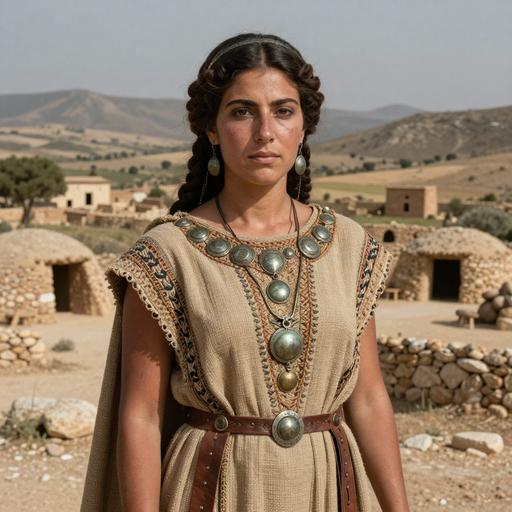
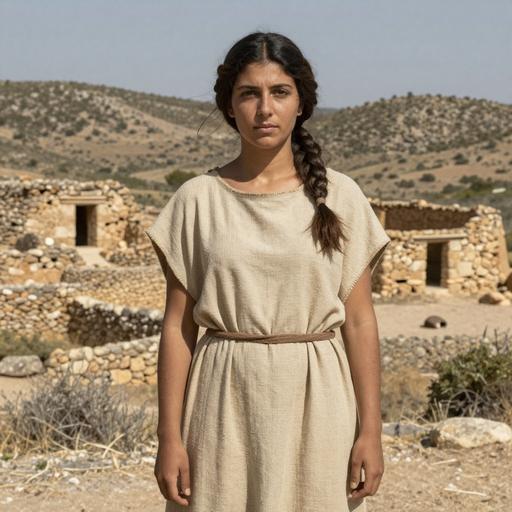
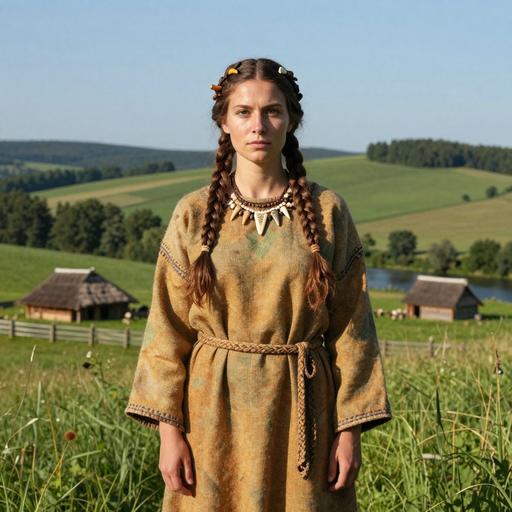
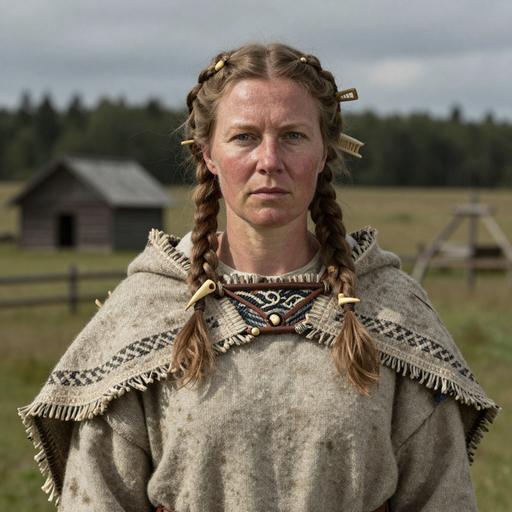
Ancient DNA: X2 and its subclades (including X2B) have been found in a range of archaeological contexts, particularly among early and middle Neolithic farmer remains in Europe and Anatolia and in post-glacial hunter-gatherer/early-Holocene samples from the Near East and Mediterranean region. The presence of X2B in archaeological samples supports a model where this lineage was part of the maternal ancestry carried by expanding Neolithic and post-glacial populations.
Historical and Cultural Significance
X2B is informative for reconstructing maternal movements associated with the spread of agriculture from Anatolia and the Levant into Europe. Its distribution mirrors, in part, the routes used by early farmers and later regional demographic processes in the Bronze Age and historical periods. The haplogroup's detection in both modern and ancient samples across the Mediterranean and Caucasus highlights its role as one of several maternal lineages contributing to the genetic makeup of Southern and Central European populations.
In some localized contexts, particular X2B sublineages can mark founder events or continuity across time (for example, continuity between Neolithic and later populations in parts of the Mediterranean). Its occasional presence in Jewish and other Near Eastern diaspora groups also records historical mobility and gene flow in the region.
Conclusion
mtDNA haplogroup X2B represents a Near Eastern-derived maternal lineage that expanded regionally during the late Pleistocene and Holocene and became established across the Mediterranean, Caucasus, and parts of Europe. It is best understood through full mitogenome studies and integration with archaeological and ancient-DNA evidence, which together show X2B as part of the genetic signature of early farmers and post-glacial recolonizing populations in the Near East–Mediterranean nexus.
Key Points
- Origins and Evolution
- Subclades
- Geographical Distribution
- Historical and Cultural Significance
- Conclusion




















.jpg)