The Story
The journey of Y-DNA haplogroup N1A1A1A1A1A2
Origins and Evolution
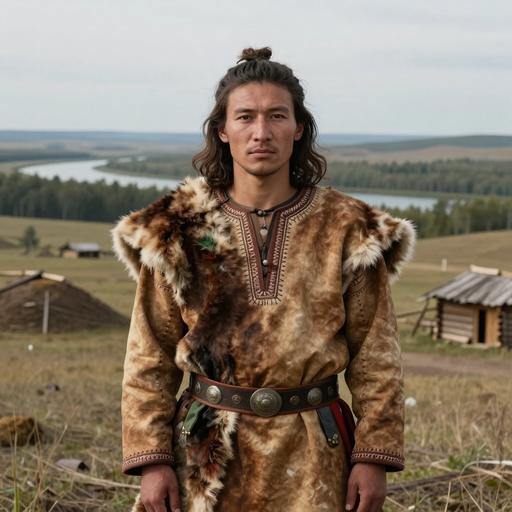
Y-DNA haplogroup N1A1A1A1A1A2 is a deeply nested, very recent subclade within haplogroup N1 that sits below the parent clade N1A1A1A1A1A. The structure of its nomenclature—many sequential nodes—indicates a short mutational path from the parent and implies a shallow time depth. Given the parent clade's inferred origin in Northeastern Europe (Fennoscandia) around ~0.5 kya, N1A1A1A1A1A2 is best interpreted as a post-medieval, northerly-derived founder lineage that likely diversified within a small regional population and expanded locally.
The very recent coalescence time expected for this subclade (hundreds rather than thousands of years) is consistent with low Y-STR diversity and an SNP topology showing a tight cluster of samples sharing the defining downstream SNP(s). Such patterns are typical of lineages that experienced a recent demographic expansion from a small number of male ancestors (a founder effect).
Subclades
As a highly derived terminal or near‑terminal branch, N1A1A1A1A1A2 may have few or no well-differentiated downstream subclades recognized in public phylogenies yet; any further resolution will depend on dense SNP sequencing of regional samples. If downstream diversity is discovered, it is likely to reflect microgeographic expansions (for example, within settlements, clans or occupational groups) rather than deep prehistoric splits.
Geographical Distribution
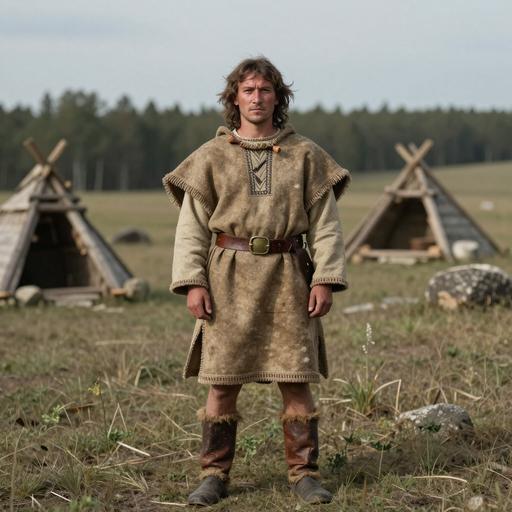
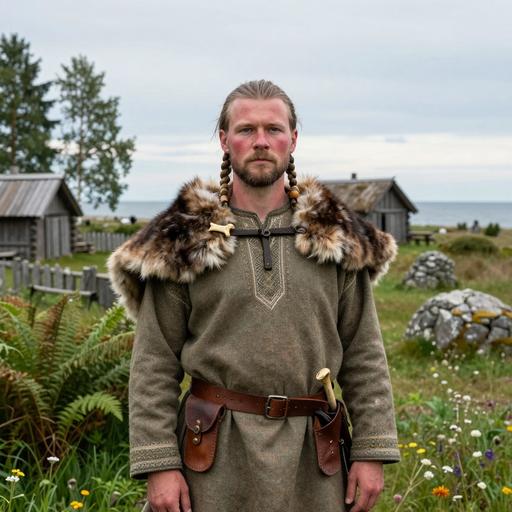
The geographic footprint for N1A1A1A1A1A2 is expected to be concentrated in northern Fennoscandia and adjacent parts of north‑eastern Europe. Observed carriers are likely to cluster among:
- Finland and Finnish-speaking groups, including inland and coastal communities
- Sámi (Saami) and other Fennoscandian populations where localized male founders are known
- Baltic coastal and some northeastern Baltic populations (Estonians, Latvians) at lower frequency
- Northern Russian and Komi groups in adjacent areas
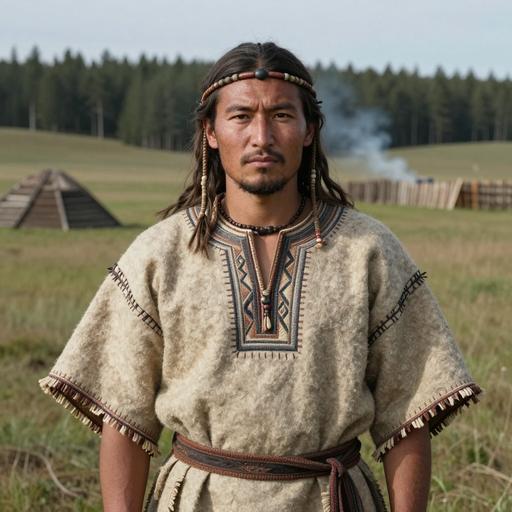
- Low-frequency occurrences in indigenous Siberian peoples (e.g., Nenets, Evenks, Yakuts) and scattered finds in neighbouring northeast Asian samples, consistent with gene flow or historical contacts
Because of its recent origin, distribution outside the immediate northern European area is expected to be sporadic and rare and often reflects recent migration or historical contacts rather than ancient expansions.
Historical and Cultural Significance
Given the very recent time depth, N1A1A1A1A1A2 is unlikely to be tied to major pan‑regional prehistoric migrations (e.g., Neolithic farmer expansions or Bronze Age steppe movements). Instead, its significance is primarily in the context of local demographic history:
- The lineage may document a post‑medieval founder event in Fennoscandia, where one or a few males contributed disproportionately to later generations.
- It can be informative for studies of recent population structure among Uralic‑speaking groups, particularly in Finland and Sámi communities, and for reconstructing family or clan histories when combined with genealogical and autosomal data.
- Low-frequency detection in neighboring northern Russian and Siberian groups may reflect historic trade, marriage, seasonal migration, or more recent mobility rather than deep ancestry.
Researchers and genealogists should treat inferences cautiously: the apparent concentration in particular groups can reflect sampling biases, strong drift in small populations, or recent social processes (patrilineal expansion, founder surnames) rather than ancient ethnogenesis.
Conclusion
N1A1A1A1A1A2 represents a very recent, regionally concentrated branch of haplogroup N1 that likely arose in Fennoscandia within the last few hundred years and expanded locally through a founder effect. Its primary value is for fine‑scale studies of recent paternal demography in northern Europe and for resolving genealogical‑scale questions among affected populations. Further high‑resolution SNP sequencing and denser sampling in northern Finland, Sámi populations, and adjacent Russian groups will clarify its internal structure and recent history.
Key Points
- Origins and Evolution
- Subclades
- Geographical Distribution
- Historical and Cultural Significance
- Conclusion