Menu
Y-DNA Haplogroup • Paternal Lineage

N1B2A

Y-DNA Haplogroup N1B2A

~4,000 years ago
Northern Eurasia (northern/East Asia)
1 subclades
Scroll to explore
Chapter I

The Story

The journey of Y-DNA haplogroup N1B2A

Origins and Evolution

Y-DNA haplogroup N1B2A is a subclade of N1B2 and therefore sits within the broader N1B branch that diversified in northern Eurasia. Based on the phylogenetic position beneath N1B2 and the diversity patterns observed in related N1 sublineages, N1B2A most plausibly arose during the late Neolithic to early Bronze Age (roughly 4–5 kya). Its emergence likely reflects regional differentiation of male lineages already established in the forest‑tundra and boreal zones of northern Eurasia after post‑glacial recolonization and subsequent localized expansions.

Direct ancient DNA evidence specifically identifying N1B2A remains limited; inferences about its age and spread therefore rely on the phylogenetic context of N1B2 and modern population distributions. The pattern of highest frequencies in northern Siberian groups and secondary presence among northeastern Europeans is consistent with a northern origin followed by bidirectional gene flow between Siberia and the forest zone of northeastern Europe.

Subclades

As a downstream branch of N1B2, N1B2A may itself contain geographically structured subclades that reflect local founder events (for example, lineages amplified by founder effects among small northern groups such as Yakuts or Saami). Where high‑resolution SNP or STR data exist for N1B2, researchers typically observe clades with restricted geographic ranges (Siberian‑centered versus Baltic/North European‑centered). Because targeted ancient sampling and full Y‑chromosome sequencing are still sparse for many northern regions, formally named downstream subclades of N1B2A are fewer and their internal branching times remain subject to revision as more data accumulate.

Geographical Distribution

The modern distribution of N1B2A mirrors that of its parent N1B2 but with a more pronounced concentration in the far north. Higher frequencies are reported among indigenous northern Siberian peoples (e.g., Yakuts, Evenks) and in certain northeastern European populations with Uralic links (e.g., some Finnic and Saami groups). Lower to moderate frequencies are observed in northern Russian populations and the Baltic states, and scattered low‑frequency occurrences appear in parts of Northeast Asia and Central Asia due to historic admixture and steppe/forest‑zone interactions.

Regional patterns suggest both long‑term residence in northern Eurasia and episodic expansions or local amplifications during the Bronze Age and later historical periods (including movements associated with reindeer pastoralism, trade routes, and later historic migrations).

Historical and Cultural Significance

While N1B2A itself is not uniquely diagnostic of any single archaeological culture, its inferred age and distribution tie it to demographic processes important in northern Eurasia during the late Neolithic and Bronze Age. Possible cultural contexts include descendants of forest‑zone hunter‑gatherer populations, early contacts between northeastern Europe and Siberia, and later Uralic‑associated expansions. Specific archaeological cultures of relevance (on the basis of geography and chronology rather than direct genetic proof) include pit‑comb/Comb Ceramic (Pit‑Comb Ware) traditions in the eastern Baltic/Forest Zone and later Bronze Age phenomena that facilitated east–west contacts (for example, mobile Bronze Age networks such as Seima‑Turbino‑type influences).

In historic times, lineages in the N1 family have been frequently noted among Uralic‑speaking groups (Finnic, Saami, some Permic and Ugric groups) and among several Siberian indigenous peoples; N1B2A likely contributed to the paternal genetic profiles of these communities. Co‑occurrence with other northern Y‑haplogroups (and with northern mtDNA types such as U4, U5, C4) reflects multilayered demographic history including Mesolithic/Neolithic foragers, later east–west gene flow, and Bronze/Iron Age social processes.

Conclusion
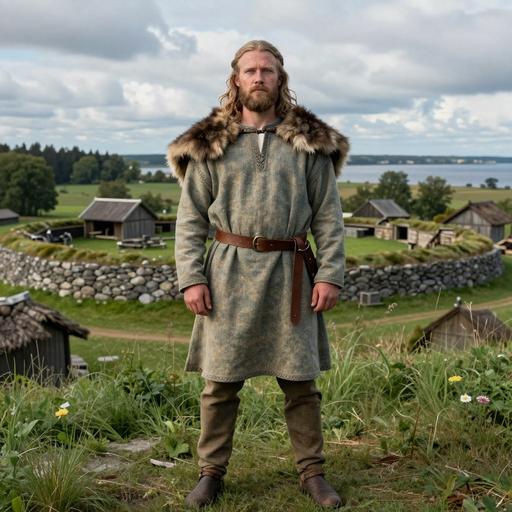
N1B2A represents a geographically northern branch of the N1B2 lineage that likely formed during the late Neolithic–Bronze Age in northern Eurasia. Its modern distribution—centred in northern Siberia and present across northeastern Europe—reflects both ancient post‑glacial settlement patterns and later regional demographic events tied to Uralic‑linked and Siberian populations. Further resolution (especially from ancient DNA and high‑coverage Y‑chromosome sequencing) will clarify its internal substructure, precise age, and the timing of expansions into different parts of Eurasia.

Key Points

  • Origins and Evolution
  • Subclades
  • Geographical Distribution
  • Historical and Cultural Significance
  • Conclusion

Chapter II

Tree & Relationships

Phylogenetic context and subclades

Evolution Path
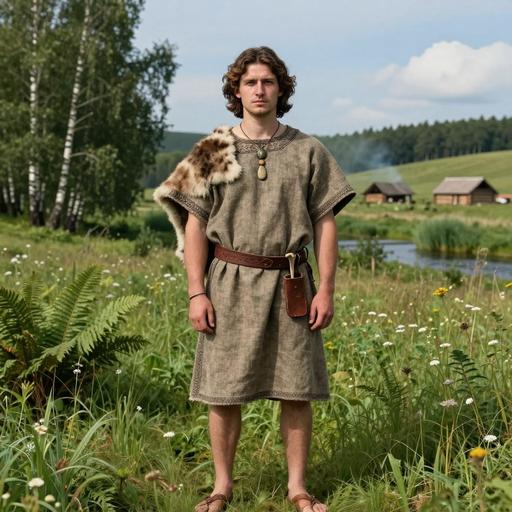
This haplogroup's evolutionary journey from its earliest ancestor to the present.

Steps Haplogroup Age Estimate Archaeology Era Time Passed Immediate Descendants Tested Modern Descendants Ancient Connections
1 N1B2A Current ~4,000 years ago 🔶 Bronze Age 4,000 years 1 0 0
Chapter III

Where in the World

Geographic distribution and modern presence
Place of Origin

Northern Eurasia (northern/East Asia)

Modern Distribution

The populations where Y-DNA haplogroup N1B2A is found include:

  1. Indigenous Siberian groups (e.g., Yakuts, Evenks and related northern Siberian peoples)
  2. Northern European groups with Uralic links (e.g., some Finns and Saami subpopulations)
  3. Northern and north‑western Russian populations
  4. Baltic populations at low to moderate frequencies (e.g., Latvians, Lithuanians)
  5. Some Northeast Asian groups in low frequencies (northern Mongolic and northern Chinese populations)
  6. Scattered occurrences in parts of Central Asia reflecting secondary admixture

Regional Presence

Northeast Asia / Siberia High
Northern Europe Moderate
Eastern Europe Moderate
Baltic Low
Central Asia Low
CHAPTER IV

When in Time

Your haplogroup in the context of human history

~10k years ago

Neolithic Revolution

Agriculture begins, settled communities form

~5k years ago

Bronze Age

Metalworking, writing, and early civilizations

~4k years ago

Haplogroup N1B2A

Your Y-DNA haplogroup emerged in Northern Eurasia (northern/East Asia)

Northern Eurasia (northern/East Asia)
~3k years ago

Iron Age

Iron tools, expanded trade networks

~2k years ago

Classical Antiquity

Greek and Roman civilizations flourish

Present

Present Day

Modern era

Your Haplogroup
Historical Era
Chapter IV-B

Linked Cultures

Ancient cultures associated with Y-DNA haplogroup N1B2A

Cultural Heritage

These ancient cultures have been linked to haplogroup N1B2A based on matching ancient DNA samples from archaeological excavations. The presence of this haplogroup in these cultures provides insights into the migrations and population movements of populations carrying this haplogroup.

Coastal Neolithic Dulan-Wayan Lena River Culture Longsangquduo Culture Piyangjiweng Culture Shamanka Culture Yusa Culture Zhangcun Culture Zongri Culture
Culture assignments are based on archaeological context of ancient DNA samples and may represent regional associations during specific time periods.
Chapter V

Sample Catalog

Top 50 ancient DNA samples directly related to haplogroup N1B2A or parent clades

50 / 50 samples
Portrait Sample Country Era Date Culture Y-DNA Match
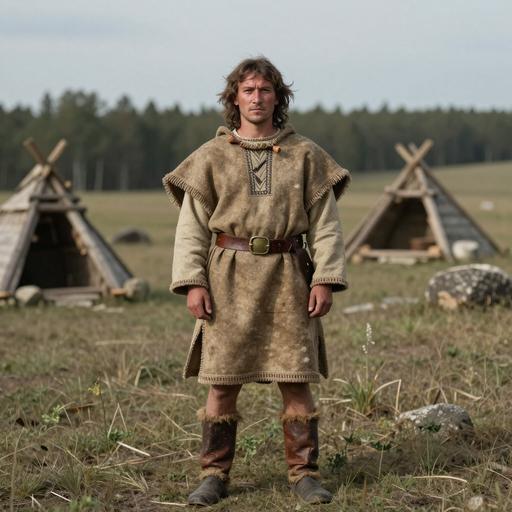
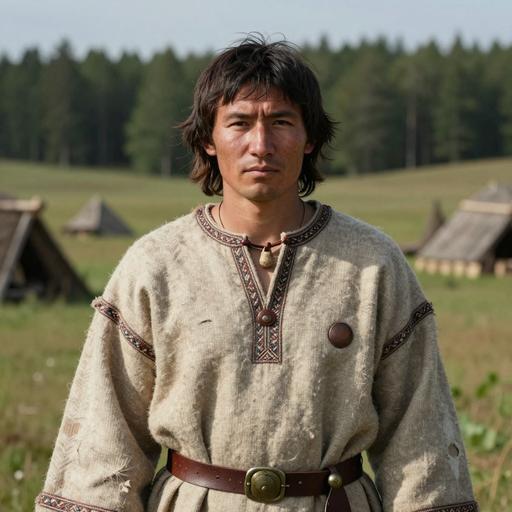
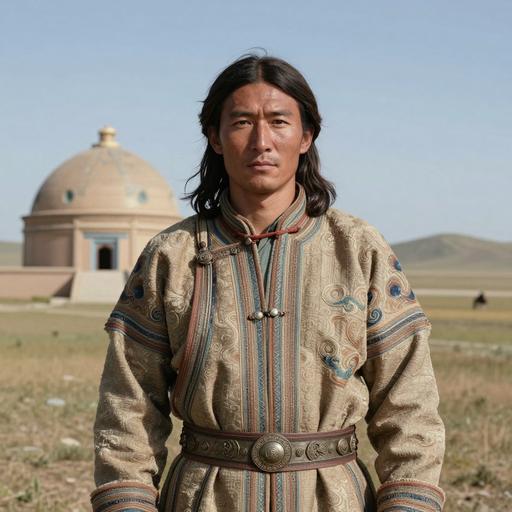
Portrait of ancient individual I15156 from Taiwan, dated 1 CE - 800 CE
I15156
Taiwan Iron Age Taiwan 1 CE - 800 CE Taiwanese Iron NO-M214 Direct
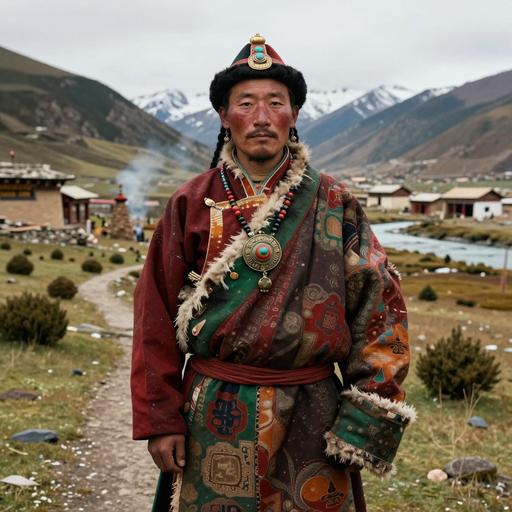
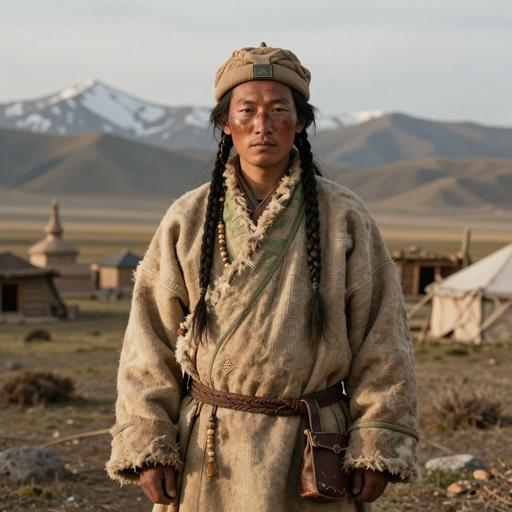
Portrait of ancient individual KHO007 from Mongolia, dated 26 CE - 125 CE
KHO007
Mongolia Middle to Late Bronze Age to Xiongnu to Late Medieval Khovd, Mongolia 26 CE - 125 CE Khovd Long-Term N-Tat Direct
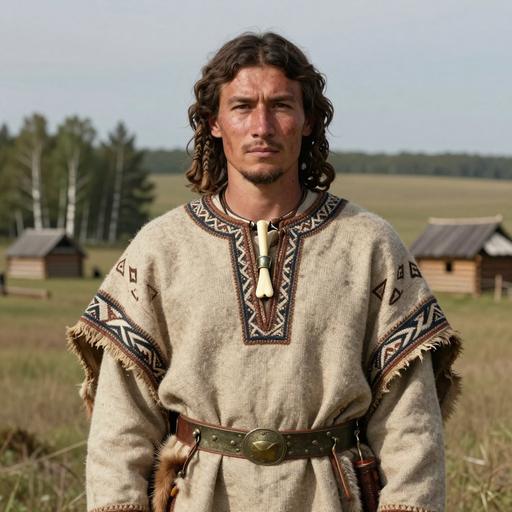
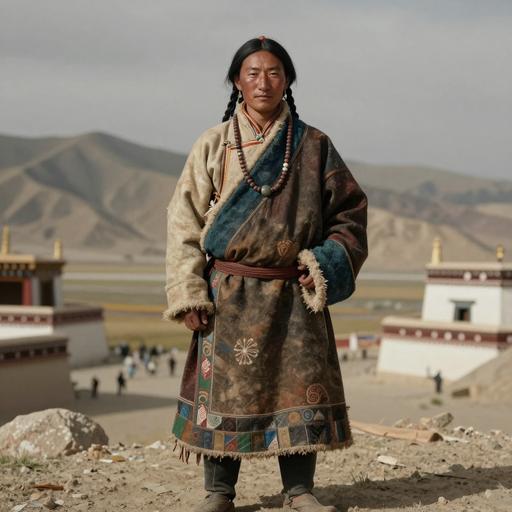
Portrait of ancient individual DA171 from Lithuania, dated 50 CE - 650 CE
DA171
Lithuania Late Antiquity Lithuania 50 CE - 650 CE Lithuanian Late Antiquity N-L1025 Direct
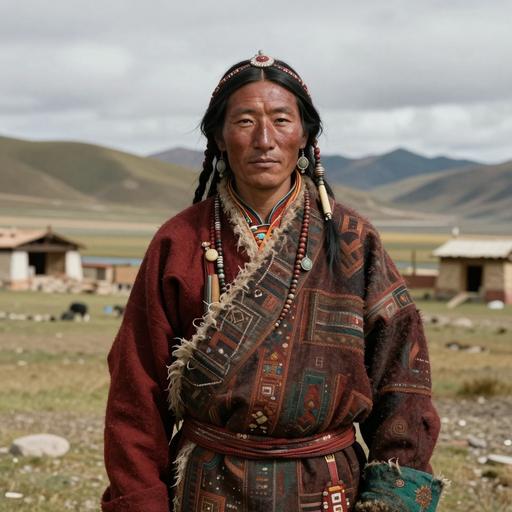
Portrait of ancient individual DA171 from Lithuania, dated 50 CE - 650 CE
DA171
Lithuania Late Iron Age Baltic Region 50 CE - 650 CE N-L1025 Direct
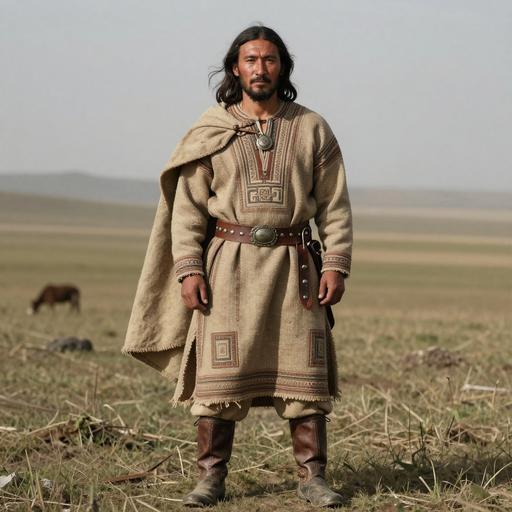
Portrait of ancient individual YUR001 from Mongolia, dated 52 BCE - 62 CE
YUR001
Mongolia Xiongnu Period Selenge, Mongolia 52 BCE - 62 CE Xiongnu Culture N-Y125475 Direct
Portrait of ancient individual IMA005 from Russia, dated 169 BCE - 44 BCE
IMA005
Russia Xiongnu Period Buryatia, Russia 169 BCE - 44 BCE Xiongnu Buryat N-P89 Direct
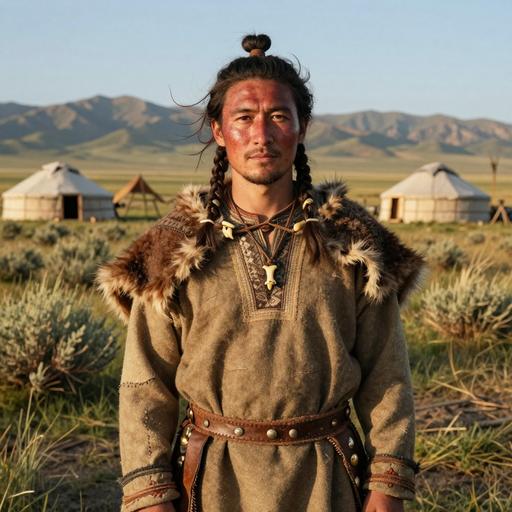
Portrait of ancient individual SON001 from Mongolia, dated 200 BCE - 100 CE
SON001
Mongolia Xiongnu Period Tuv, Mongolia 200 BCE - 100 CE Xiongnu Tuv N-CTS6380 Direct
Portrait of ancient individual BGD004 from Russia, dated 200 BCE - 1 BCE
BGD004
Russia Iron Age Sargat Culture, Russia 200 BCE - 1 BCE Sargat Culture N-L839 Direct
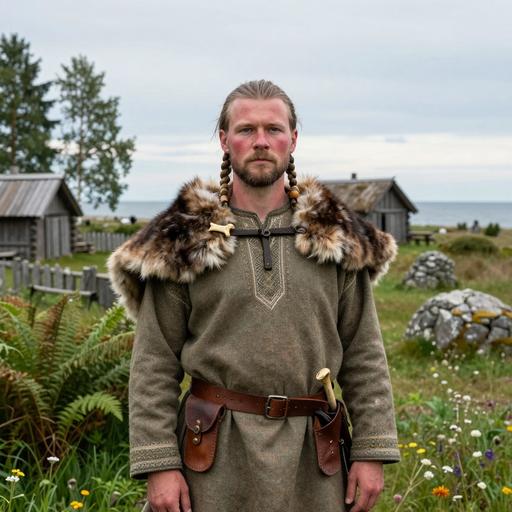
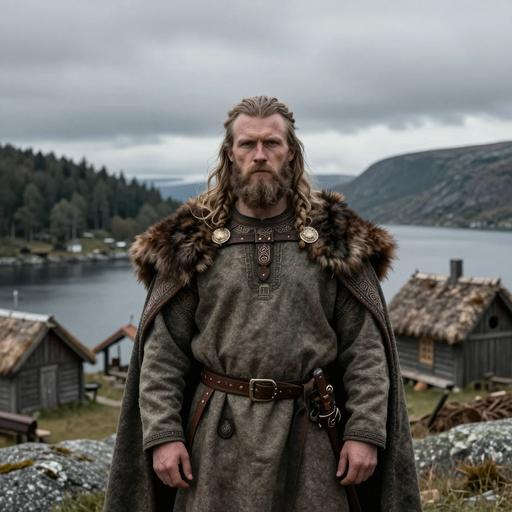
Portrait of ancient individual VK579 from Sweden, dated 200 CE - 400 CE
VK579
Sweden Iron Age Sweden 200 CE - 400 CE Nordic Iron Age N1a1a1a1a Direct
Portrait of ancient individual VK579 from Sweden, dated 200 CE - 400 CE
VK579
Sweden Iron Age Nordic Region 200 CE - 400 CE N-L550 Direct
Chapter VI

Carrier Distribution Map

Geographic distribution of 100 ancient DNA samples carrying haplogroup N1B2A

Time Period Filter
All Time Periods
Showing all samples
Each marker represents an ancient individual
Chapter VII

Temporal Distribution

Distribution of carriers across archaeological periods

Chapter VIII

Geographic Distribution

Distribution of carriers by country of origin

Chapter IX

Country × Era Distribution

Cross-tabulation of carrier countries and archaeological periods

Data

Data & Provenance

Source information and data quality

Last Updated 2026-02-16
Confidence Score 50/100
Coverage Low
Data Source

We use the latest phylotree for YDNA haplogroup classification and data.