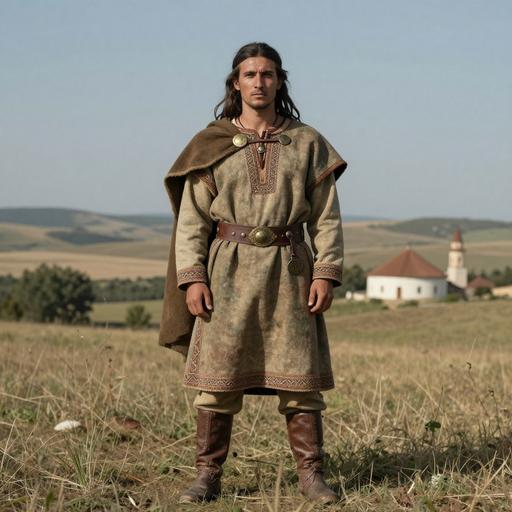
The Story
The journey of Y-DNA haplogroup N1B2A1
Origins and Evolution
Y‑DNA haplogroup N1B2A1 is a subclade of N1B2A and, based on phylogenetic position and the temporal placement of closely related lineages, most likely diversified in northern Eurasia during the late Bronze Age to early Iron Age (on the order of ~3 kya). As a downstream branch of N1B2A, which itself is rooted in broader N1b/N1 lineages associated with north Eurasian expansions, N1B2A1 represents a more recently differentiated paternal lineage that reflects regional population structure within northern Siberia and adjacent northeast European zones.
The haplogroup shows a pattern consistent with a local diversification from a northern Eurasian founder population, followed by limited range expansions and secondary admixture into neighboring groups. Its detection in six ancient DNA samples in available databases supports its presence in archaeological contexts across the late Holocene in northern Eurasia, though sample numbers remain small and geographic representation is incomplete.
Subclades (if applicable)
At present, N1B2A1 is recognized as a defined downstream branch of N1B2A; further substructure likely exists but requires more high‑resolution sequencing and wider geographic sampling to robustly resolve. Where subclades have been reported, they tend to show geographically localized distributions (for example subbranches concentrated in eastern Siberia versus those reaching into Fennoscandia), consistent with drift and founder effects in small northern populations.
Geographical Distribution
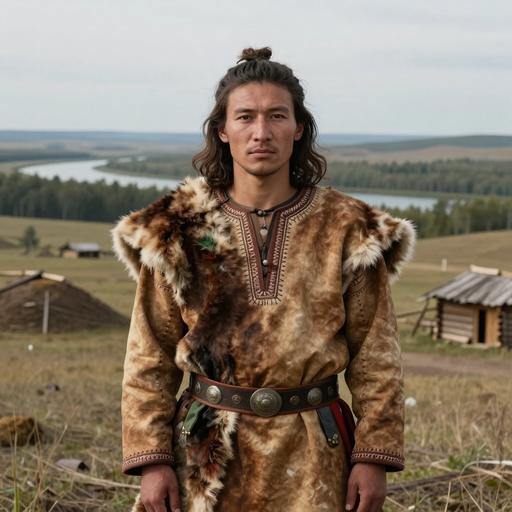
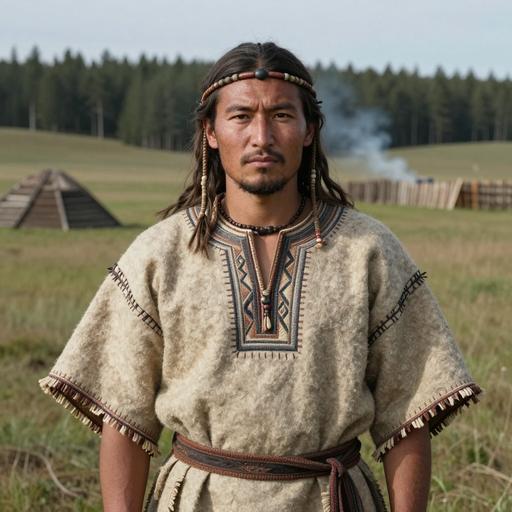
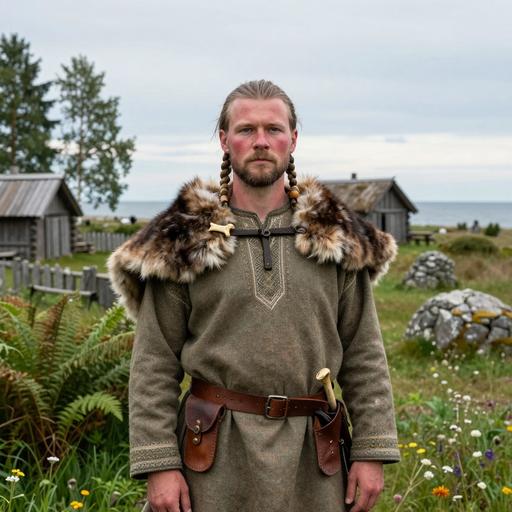
The contemporary distribution of N1B2A1 is concentrated in northern Siberia with measurable presence in parts of northeastern Europe. Highest frequencies are observed among some indigenous Siberian groups (for example Yakut and related Tungusic‑language populations), while the haplogroup occurs at moderate to low frequencies in several Uralic‑linked populations (certain Finnish and Saami subpopulations) and in northern and northwestern Russian groups. Low but detectable occurrences have been reported in Baltic populations and scattered instances in parts of Central and Northeast Asia, consistent with historical movements, trade, and episodic gene flow.
Historical and Cultural Significance
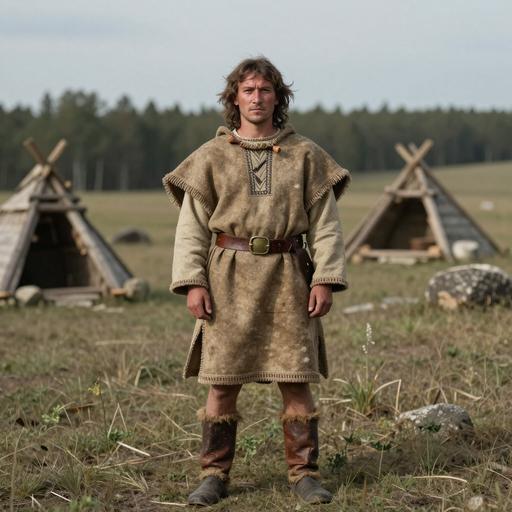
Although N1B2A1 is not a marker of any single archaeological culture, its distribution and timing link it to late Holocene demographic processes in northern Eurasia. The lineage is compatible with expansions and mobility events associated with Bronze Age and post‑Bronze Age networks across Siberia and northeastern Europe (including phenomena sometimes grouped under Seima‑Turbino related interactions and later Uralic‑language spread). In historic and ethnohistoric times, N1B2A1 persists among communities with Uralic, Samoyedic, and other north Eurasian affiliations; its pattern reflects a mix of deep regional continuity and later, localized expansions.
The presence of N1B2A1 in a small number of ancient DNA samples indicates continuity in certain regions but also underlines the need for more ancient genomes to clarify timing and routes of spread. Where N1B2A1 co‑occurs with other northern markers (for example mtDNA lineages typical of Siberia) it helps reconstruct sex‑biased admixture and demographic history in northern populations.
Conclusion
N1B2A1 is a late‑Holocene northern Eurasian paternal lineage, best understood as a regionally concentrated subclade of N1B2A. It provides a useful genetic signal for studying population structure and movements in northern Siberia and adjacent parts of northeastern Europe, particularly in relation to Uralic‑linked groups. Continued targeted Y‑chromosome sequencing and increased ancient DNA sampling in northern Eurasia will refine the internal topology and demographic history of this lineage.
Key Points
- Origins and Evolution
- Subclades (if applicable)
- Geographical Distribution
- Historical and Cultural Significance
- Conclusion