Menu
Y-DNA Haplogroup • Paternal Lineage

O1B1A1A

Y-DNA Haplogroup O1B1A1A

~6,000 years ago
Southern China / Taiwan
1 subclades
Scroll to explore
Chapter I

The Story

The journey of Y-DNA haplogroup O1B1A1A

Origins and Evolution

Haplogroup O1B1A1A sits beneath O1B1A1 in the O1 (O-M175 lineage) phylogeny and is best interpreted as a regional derivative that formed during the mid-Holocene on the southern China–Taiwan littoral or nearby island populations. Given the established age and geography of its parent clade (O1B1A1, ~7 kya), O1B1A1A plausibly diversified between ~6–4 kya as coastal and island groups that practiced fishing, shellfish gathering and early wet-rice/plant cultivation began to expand along maritime routes. This timing and coastal distribution are consistent with genetic, archaeological, and linguistic models linking paternal lineages in this branch to the early Austronesian dispersal and related coastal Neolithic expansions.

Subclades (if applicable)

Detailed high-resolution SNP work on O1B1A1A remains incomplete in some regions, but available data and reasonable inference indicate that O1B1A1A likely split into several geographically structured subclades as populations dispersed through Taiwan, the northern Philippines, eastern Indonesia and adjacent island groups. Some downstream lineages appear to be island- or community-specific, reflecting founder effects during island colonization. Further targeted sequencing (phylogenomic SNP panels and full Y-chromosome sequencing) is required to robustly define named downstream subclades and their relative ages.

Geographical Distribution

O1B1A1A is concentrated in coastal southeastern China and across Austronesian-speaking populations of Taiwan, the Philippines and parts of eastern Indonesia, with appreciable but generally lower frequencies in mainland Southeast Asia (Vietnam, Cambodia, parts of Thailand) and in southwestern Japanese islands (Ryukyus). Low-frequency occurrences are documented in maritime Southeast Asia beyond the core Austronesian zone and occasionally in coastal South Asian/Central Asian samples, likely reflecting historical maritime contact and later movements. The pattern—high frequency in insular and coastal communities, lower frequency inland—is consistent with a maritime-adapted demographic expansion.

Historical and Cultural Significance

The distribution, age, and association with coastal populations suggest that O1B1A1A participated in the demographic processes that spread Austronesian languages, maritime technologies, and associated subsistence strategies (fishing, canoe voyaging, and island horticulture) from the Taiwan/southern China region into the Philippines, eastern Indonesia and beyond. In contexts where ancient DNA is available, paternal lineages related to O1B1A1A often complement maternal Austronesian markers (for example, mtDNA B4a1a1a) and archaeological signals such as Lapita-derived ceramic dispersal in Remote Oceania—though O1B1A1A itself is more tightly associated with the earlier coastal Neolithic and the core Austronesian homeland region than with the later deep-Pacific settlement events.

Conclusion

O1B1A1A represents a mid-Holocene coastal branch of the O1B paternal tree that helps trace maritime-oriented Neolithic expansions in southern China, Taiwan and maritime Southeast Asia. It is most informative for questions about Austronesian-related male-mediated movements and local island founder events; however, fuller resolution of its internal phylogeny will require broader high-coverage Y-chromosome sequencing across understudied island populations and ancient DNA from coastal Neolithic and early Austronesian archaeological contexts.

Key Points

  • Origins and Evolution
  • Subclades (if applicable)
  • Geographical Distribution
  • Historical and Cultural Significance
  • Conclusion
Chapter II

Tree & Relationships

Phylogenetic context and subclades

Evolution Path

This haplogroup's evolutionary journey from its earliest ancestor to the present.

Steps Haplogroup Age Estimate Archaeology Era Time Passed Immediate Descendants Tested Modern Descendants Ancient Connections
1 O1B1A1A Current ~6,000 years ago 🪨 Chalcolithic 5,500 years 1 11 0

Siblings (1)

Other branches from the same parent haplogroup

Chapter III

Where in the World

Geographic distribution and modern presence
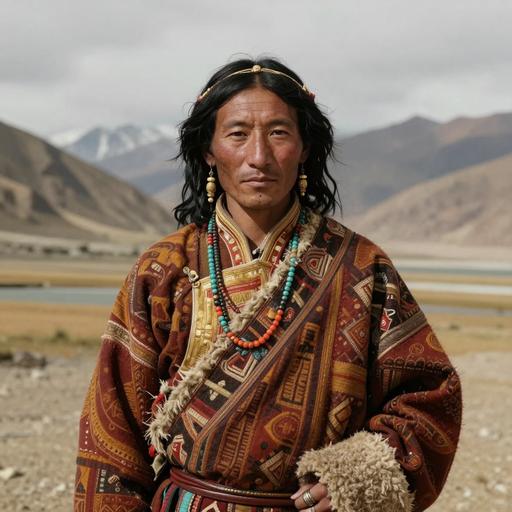
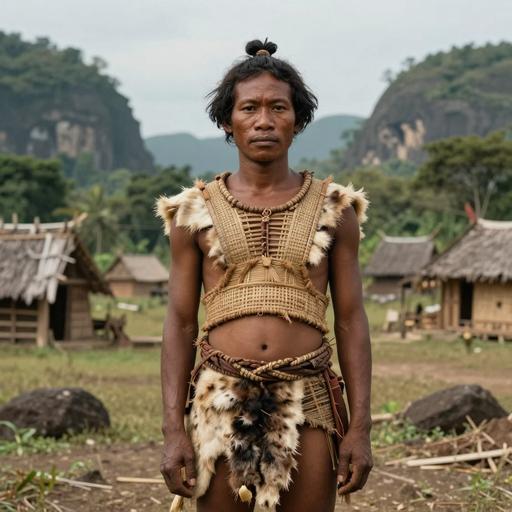
Place of Origin

Southern China / Taiwan

Modern Distribution

The populations where Y-DNA haplogroup O1B1A1A is found include:

  1. Southern Han Chinese groups (notably Fujianese and other southeastern coastal Han)
  2. Austronesian-speaking populations (indigenous Taiwanese, many Filipino groups, parts of eastern Indonesia)
  3. Mainland Southeast Asian populations (Vietnamese, Khmer/Cambodians, some Thai groups)
  4. Ryukyuan and some southwestern Japanese island populations (at lower to moderate frequencies)
  5. Coastal communities in maritime Southeast Asia and parts of island Melanesia at low-to-moderate frequencies
  6. Occasional low-frequency occurrences in coastal South Asian and Central Asian samples reflecting historical contact

Regional Presence

Southern East Asia (coastal China, Taiwan) High
Southeast Asia (insular and coastal) High
Japan (Ryukyus and southwestern islands) Moderate
Island Melanesia / Remote Oceania (coastal occurrences) Low
South Asia (coastal, sporadic) Low
CHAPTER IV

When in Time

Your haplogroup in the context of human history

~10k years ago

Neolithic Revolution

Agriculture begins, settled communities form

~5k years ago

Haplogroup O1B1A1A

Your Y-DNA haplogroup emerged in Southern China / Taiwan

Southern China / Taiwan
~5k years ago

Bronze Age

Metalworking, writing, and early civilizations

~3k years ago

Iron Age

Iron tools, expanded trade networks

~2k years ago

Classical Antiquity

Greek and Roman civilizations flourish

Present

Present Day

Modern era

Your Haplogroup
Historical Era
Chapter IV-B

Linked Cultures

Ancient cultures associated with Y-DNA haplogroup O1B1A1A

Cultural Heritage

These ancient cultures have been linked to haplogroup O1B1A1A based on matching ancient DNA samples from archaeological excavations. The presence of this haplogroup in these cultures provides insights into the migrations and population movements of populations carrying this haplogroup.

Cambodian Iron Age Indeterminate Laotian Island Southeast Asian Culture Laotian Bronze Age Yellow River Culture
Culture assignments are based on archaeological context of ancient DNA samples and may represent regional associations during specific time periods.
Chapter V

Sample Catalog

Top 50 ancient DNA samples directly related to haplogroup O1B1A1A or parent clades

50 / 50 samples
Portrait Sample Country Era Date Culture Y-DNA Match
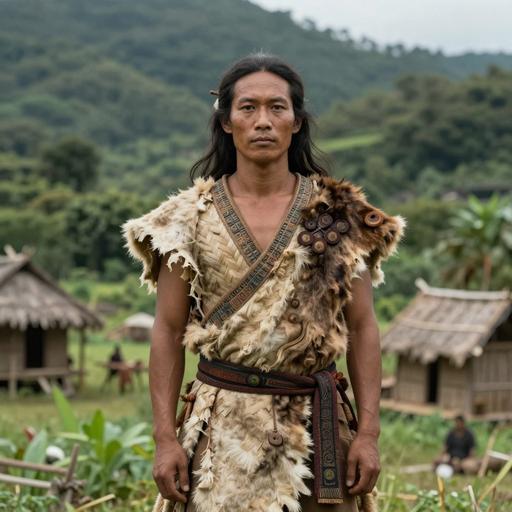
Portrait of ancient individual I3736 from Taiwan, dated 1 CE - 800 CE
I3736
Taiwan Iron Age Taiwan 1 CE - 800 CE Taiwanese Iron O1a1a1a1-CTS1711 Direct
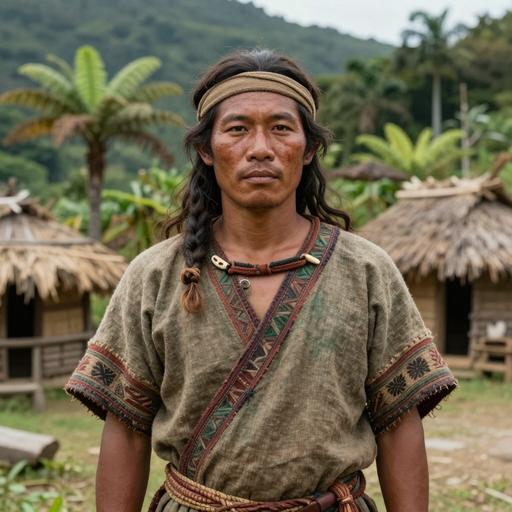
Portrait of ancient individual I3614 from Taiwan, dated 1 CE - 800 CE
I3614
Taiwan Iron Age Taiwan 1 CE - 800 CE Taiwanese Iron O2a2b2-CTS1366 Direct
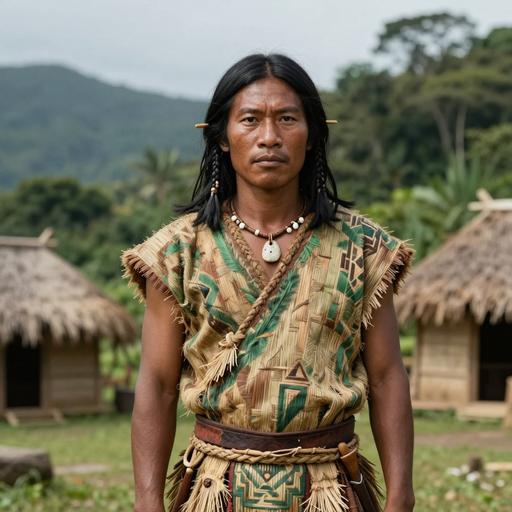
Portrait of ancient individual I3618 from Taiwan, dated 1 CE - 800 CE
I3618
Taiwan Iron Age Taiwan 1 CE - 800 CE Taiwanese Iron O2a2b2a2-F706 Direct
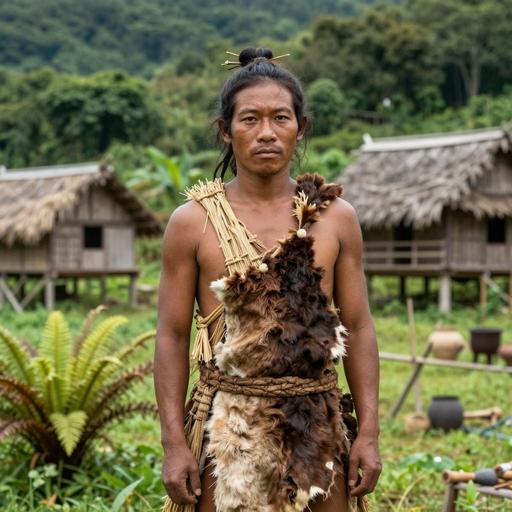
Portrait of ancient individual I3731 from Taiwan, dated 1 CE - 800 CE
I3731
Taiwan Iron Age Taiwan 1 CE - 800 CE Taiwanese Iron O1a1a1a1-CTS1711 Direct
Portrait of ancient individual I8076 from Taiwan, dated 1 CE - 800 CE
I8076
Taiwan Iron Age Taiwan 1 CE - 800 CE Taiwanese Iron O-M119 Direct
Portrait of ancient individual I8080 from Taiwan, dated 1 CE - 800 CE
I8080
Taiwan Iron Age Taiwan 1 CE - 800 CE Taiwanese Iron O1a1a1a-F518 Direct
Portrait of ancient individual I14933 from Taiwan, dated 1 CE - 800 CE
I14933
Taiwan Iron Age Taiwan 1 CE - 800 CE Taiwanese Iron O1a2-F1081 Direct
Portrait of ancient individual I14931 from Taiwan, dated 1 CE - 800 CE
I14931
Taiwan Iron Age Taiwan 1 CE - 800 CE Taiwanese Iron O2a2-P201 Direct
Portrait of ancient individual I14929 from Taiwan, dated 1 CE - 800 CE
I14929
Taiwan Iron Age Taiwan 1 CE - 800 CE Taiwanese Iron O2a2b-F130 Direct
Portrait of ancient individual I14934 from Taiwan, dated 1 CE - 800 CE
I14934
Taiwan Iron Age Taiwan 1 CE - 800 CE Taiwanese Iron O1a1a1a1-CTS10963 Direct
Chapter VI

Carrier Distribution Map

Geographic distribution of 100 ancient DNA samples carrying haplogroup O1B1A1A

Time Period Filter
All Time Periods
Showing all samples
Each marker represents an ancient individual
Chapter VII

Temporal Distribution

Distribution of carriers across archaeological periods

Chapter VIII

Geographic Distribution

Distribution of carriers by country of origin

Chapter IX

Country × Era Distribution

Cross-tabulation of carrier countries and archaeological periods

Data

Data & Provenance

Source information and data quality

Last Updated 2026-02-16
Confidence Score 50/100
Coverage Low
Data Source

We use the latest phylotree for YDNA haplogroup classification and data.