The Story
The journey of Y-DNA haplogroup O1B1A1A1B1
Origins and Evolution
Y-DNA haplogroup O1B1A1A1B1 is a downstream branch of O1B1A1A1B and sits within the broader East/Southeast Asian O1b clade. Based on the phylogenetic position of the parent lineage and observed geographic distribution, O1B1A1A1B1 most likely diversified on the southern China–Taiwan coastal margin during the mid- to late Holocene (on the order of ~3.2 kya). Its time depth and distribution are consistent with a role in the eastward and southward maritime expansions associated with early Austronesian-speaking communities, which spread from Taiwan and adjacent coasts into the Philippines, eastern Indonesia, and beyond.
The haplogroup's evolutionary history reflects a pattern seen in other coastal O1b subclades: a coastal/insular origin, subsequent population expansions linked to seafaring and trade, and local differentiation across island chains. Ancient DNA hits (two samples in the available database) support its presence in archaeological contexts tied to recent Holocene coastal populations, though further ancient sampling is needed to refine chronology and routes.
Subclades (if applicable)
Detailed internal structure for O1B1A1A1B1 is still being resolved with higher-resolution sequencing and broader sampling. Contemporary and ancient samples indicate several geographically localized sublineages, particularly in:
- Indigenous Taiwanese groups (multiple local subbranches)
- Various Austronesian-speaking populations in the Philippines (local diversification)
- Eastern Indonesian islands (Sulawesi, Maluku, Lesser Sundas) where island-specific clades are detectable
Because many published datasets used SNP panels with limited resolution, deeper whole-Y sequencing will likely reveal additional downstream branches and clarify relationships between island-specific lineages.
Geographical Distribution
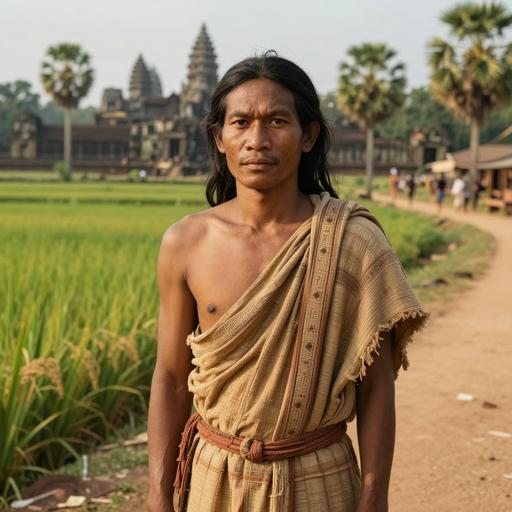
O1B1A1A1B1 shows a predominantly maritime, coastal distribution. It is most frequent among indigenous Taiwanese and several Austronesian-speaking groups in the Philippines and eastern Indonesia. It is also present, often at lower frequency, in Ryukyuan and southwestern Japanese island populations, coastal communities of mainland Southeast Asia (e.g., Vietnamese and coastal Thai/Khmer groups), and as low-frequency occurrences across maritime Southeast Asia and parts of island Melanesia. Sporadic, very low-frequency occurrences in coastal South Asia and Central Asia likely reflect historical maritime contacts and recent mobility rather than primary population history.
Historical and Cultural Significance
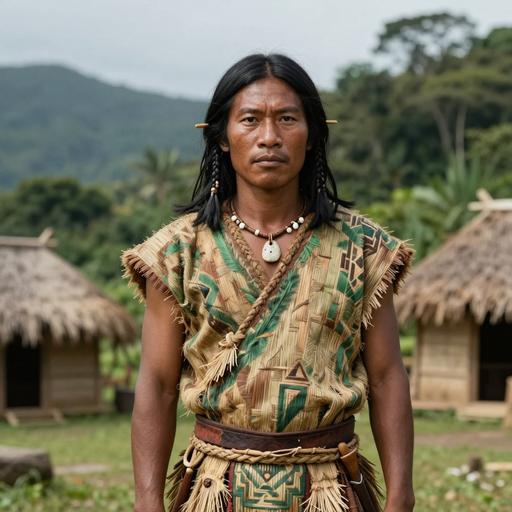
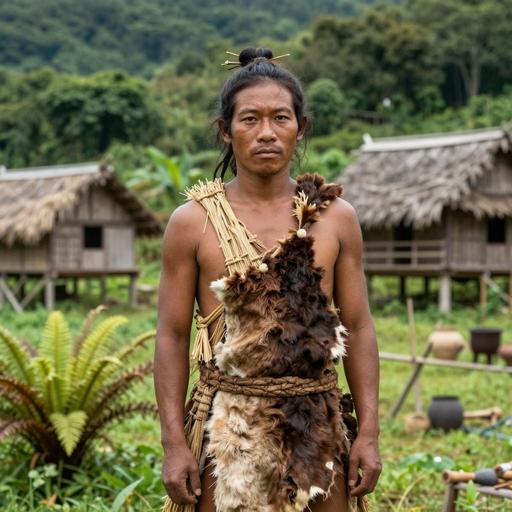
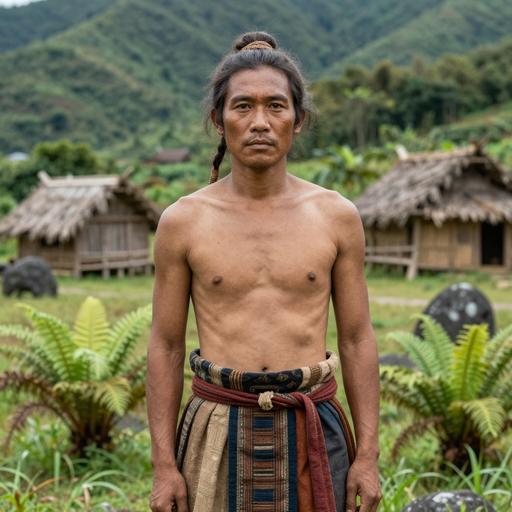
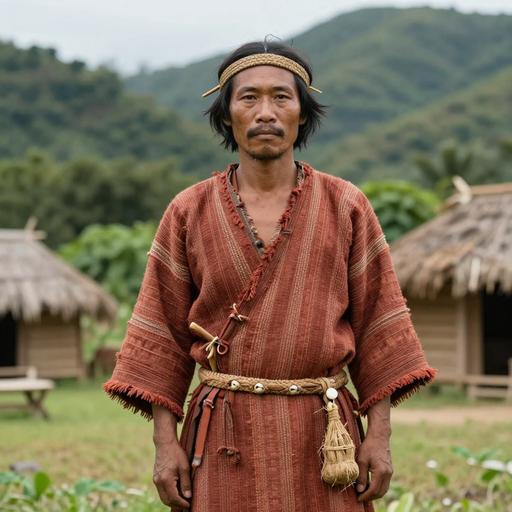
The geographic and temporal profile of O1B1A1A1B1 links it closely to the Austronesian expansion — a maritime-driven dispersal beginning from Taiwan and adjacent coasts in the mid-Holocene that spread languages, agriculture, and material culture across Island Southeast Asia and into Remote Oceania. Archaeological cultures and phenomena relevant to contexts where this haplogroup has been observed include the Dapenkeng Neolithic culture of Taiwan (early Neolithic/initial Austronesian context), the broader Austronesian maritime cultural complex, and later Lapita-associated expansions into parts of Near Oceania (where O1b lineages are present but typically at lower frequency compared with other source regions).
Paternally, O1B1A1A1B1 often co-occurs with other East/Southeast Asian Y haplogroups (for example O2a and other O1 subclades) within the same populations. On the maternal side, it frequently pairs with Austronesian-associated mtDNA lineages such as B4a1a and other Southeast Asian coastal maternal haplogroups, reflecting sex-balanced or regionally variable demographic processes during island colonization.
Conclusion
O1B1A1A1B1 represents a regionally important Austronesian-linked paternal lineage that arose on the southern China–Taiwan coastal margin in the mid- to late Holocene and subsequently diversified across Taiwan, the Philippines, eastern Indonesia, and nearby island regions. While current evidence — including two aDNA identifications — supports its role in maritime dispersals, increased sampling, particularly whole-Y sequencing and ancient DNA from coastal archaeological sites, will be necessary to refine its internal phylogeny, timing, and the precise routes of spread.
Key Points
- Origins and Evolution
- Subclades (if applicable)
- Geographical Distribution
- Historical and Cultural Significance
- Conclusion