The Story
The journey of Y-DNA haplogroup O2A2A1
Origins and Evolution
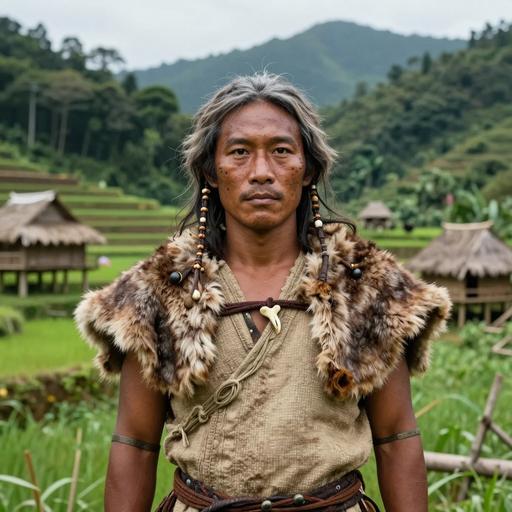
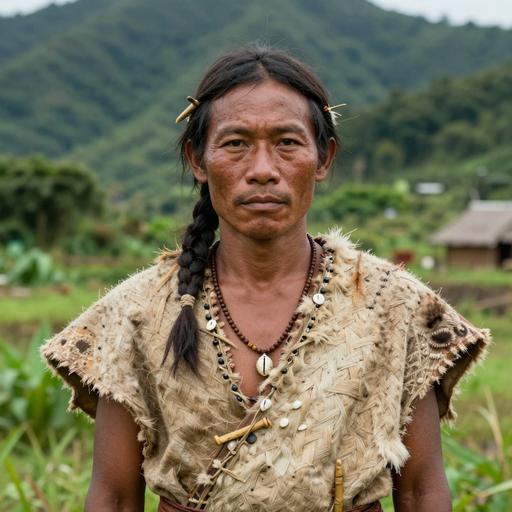
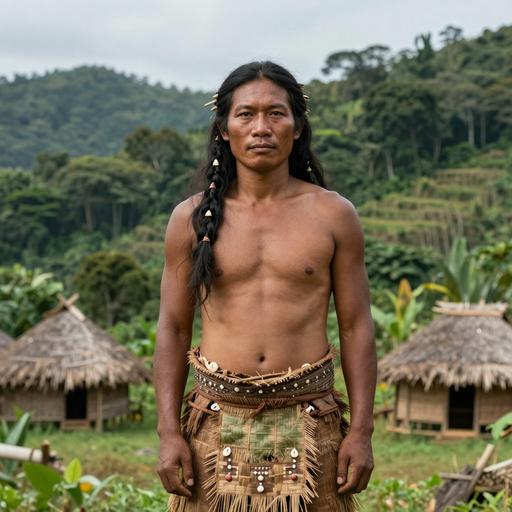
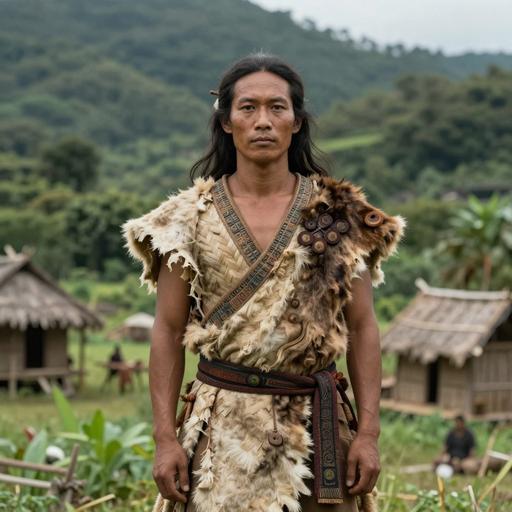
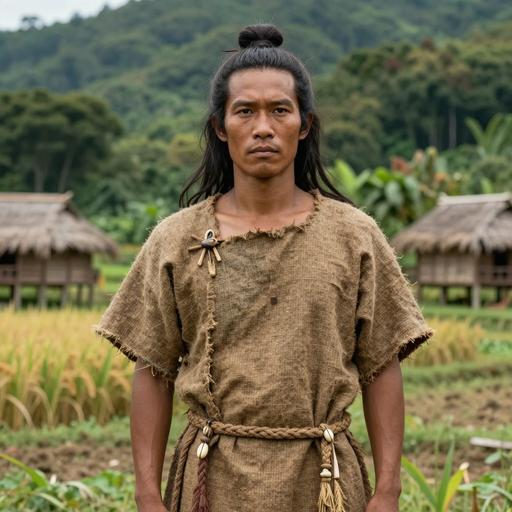
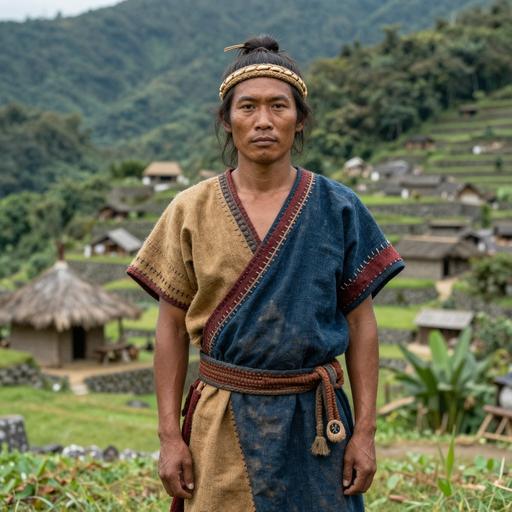
Haplogroup O2A2A1 is a subclade of O2A2A (part of the broader O2a / O-M95 paternal lineage) and likely coalesced during the mid-Holocene, roughly around 4 thousand years ago (kya) based on phylogenetic placement beneath O2A2A and comparative dating of related O-M95 lineages. Its emergence is best understood in the context of the Neolithic and post-Neolithic demographic changes in Mainland Southeast Asia and southern China, when expansions of rice and other wet-rice agriculturalist groups — many of whom became Austroasiatic-language speakers — reshaped regional population structure.
Genetic studies show that O-M95 and its downstream clades diversified in Mainland Southeast Asia, with successive branching and local expansions. O2A2A1 represents one of these downstream branches that spread with or after the initial Austroasiatic-associated farmer movements, carrying a signal that is strong in some Austroasiatic groups and present at lower frequencies in neighboring language families through admixture and secondary contact.
Subclades (if applicable)
As with many O-M95-derived lineages, fine-scale substructure within O2A2A1 is still being resolved. Targeted SNP discovery and dense sampling in South and Southeast Asia have begun to reveal internal branches (often labeled in project- or lab-specific nomenclature), but a stable, widely adopted subclade naming scheme beyond O2A2A1 awaits broader sequencing and formal phylogenetic publication. Ancient DNA assigned to O2A2A1-level branches is presently limited (a small number of archaeological samples), so refinement of subclades will continue as more ancient and modern high-coverage Y-chromosome data become available.
Geographical Distribution
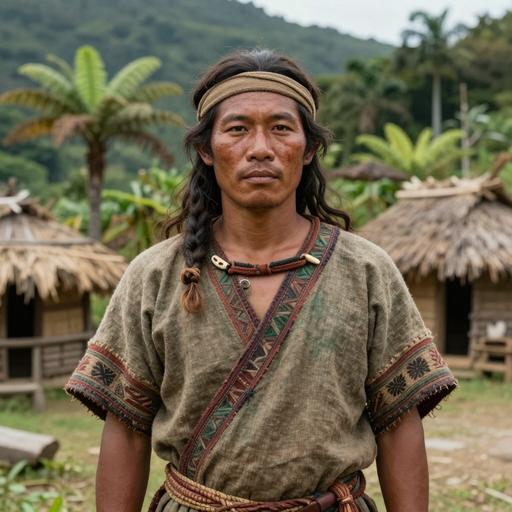
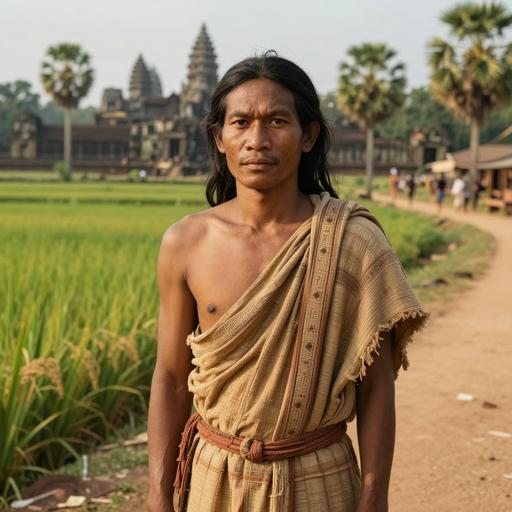
O2A2A1 shows its highest frequencies and greatest diversity in Mainland Southeast Asia, particularly among Austroasiatic-speaking groups (e.g., Khmer, Mon, some Vietic populations) and related lowland populations of southern Indochina. It is also a well-documented component of the paternal gene pool among Munda-speaking groups in eastern and central India, indicating an early Holocene dispersal or series of contacts between Mainland Southeast Asia and the Indian subcontinent. Lower, variable frequencies are found in southern Han Chinese and scattered occurrences appear among Austronesian-speaking island populations and some Tibeto-Burman groups, reflecting admixture and later movements.
The haplogroup's presence in two archaeological samples (as currently reported in some datasets) provides direct evidence that O2A2A1 was present in past societies in the region, consistent with a Neolithic–Bronze Age timeframe for its regional spread.
Historical and Cultural Significance
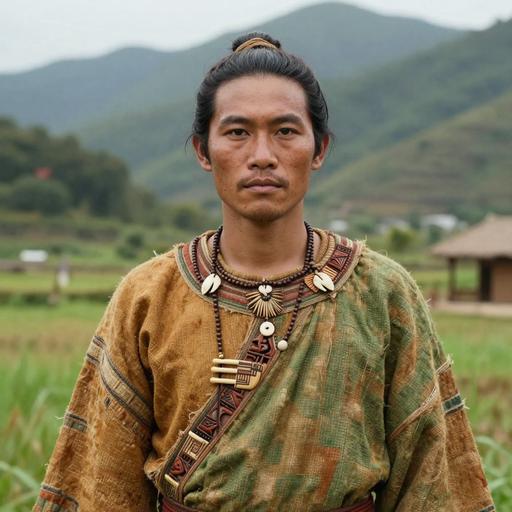
O2A2A1 is informative for studies of the Austroasiatic expansion and the demographic transformations associated with the spread of wet-rice agriculture in Southeast Asia. Its distribution among Munda speakers in India has been interpreted as evidence for either a maritime or overland dispersal of Austroasiatic-associated groups or male-mediated gene flow into South Asia during the mid-Holocene. The haplogroup therefore plays a role in reconstructing prehistoric cultural contacts across the Bay of Bengal/Indo-Burma region.
Because O2A2A1 coexists with other paternal lineages in complex ways (for example, alongside O1b, other O2 clades, and incoming Tibeto-Burman or Austronesian lineages), it is most powerful when interpreted alongside autosomal, mtDNA, archaeological, and linguistic data to infer migrations, language spread, and social processes (e.g., patrilocality, founder effects).
Conclusion
O2A2A1 is a mid-Holocene descendant of the O-M95/O2a radiation centered on Mainland Southeast Asia and southern China, associated primarily with Austroasiatic-speaking populations and notable for its presence among Munda groups in India and minority occurrences in southern China and Island Southeast Asia. Ongoing high-resolution Y-chromosome sequencing and additional ancient DNA sampling across South and Southeast Asia will clarify its internal structure, precise age, and the routes by which it spread into adjacent regions.
Key Points
- Origins and Evolution
- Subclades (if applicable)
- Geographical Distribution
- Historical and Cultural Significance
- Conclusion