The Story
The journey of Y-DNA haplogroup O2A2A1A2
Origins and Evolution
Haplogroup O2A2A1A2 is a downstream subclade of the broader O2a (O‑M95) paternal lineage. O‑M95 and its subclades are widely recognized in population genetics as having expanded in Mainland Southeast Asia and southern China during the mid- to late-Holocene in close association with the spread of farming and Austroasiatic-speaking communities. Based on its position under O2A2A1A and the time depth of nearby subclades, O2A2A1A2 most plausibly diversified in the late Holocene (roughly the last 2,500 years), during a period of continued regional demographic shifts, localized expansions, and cultural transmission of agricultural technologies.
Genetically, O2A2A1A2 represents an intermediate, regionally differentiated branch that preserves the signal of population movements within Mainland Southeast Asia and secondary dispersals into neighboring areas. Its phylogenetic placement indicates descent from populations that had already experienced the earlier wider O‑M95 expansion; the timing and geography of O2A2A1A2 indicate a later, more localized differentiation event.
Subclades (if applicable)
As a named subclade under O2A2A1A, O2A2A1A2 may itself contain further downstream lineages identified by private single-nucleotide polymorphisms (SNPs) in high-resolution Y-chromosome sequencing studies. Published large-scale surveys and targeted sequencing of Southeast Asian and South Asian populations have progressively refined these downstream branches, but sampling remains uneven. Where high-resolution data exist, researchers often find micro-structure within O2A2A1A2 reflecting local founder effects, drift, and recent demographic events rather than a single broad expansion.
Geographical Distribution
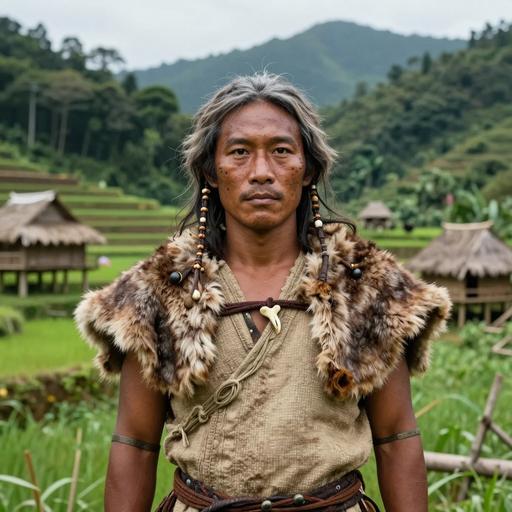
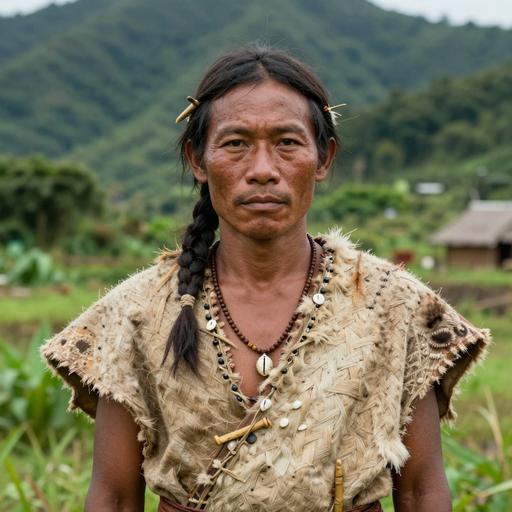
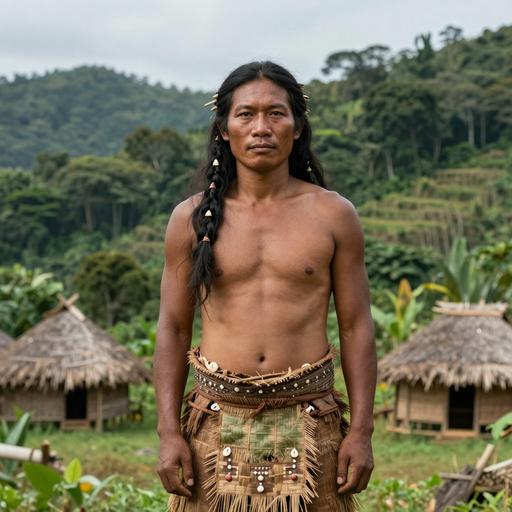
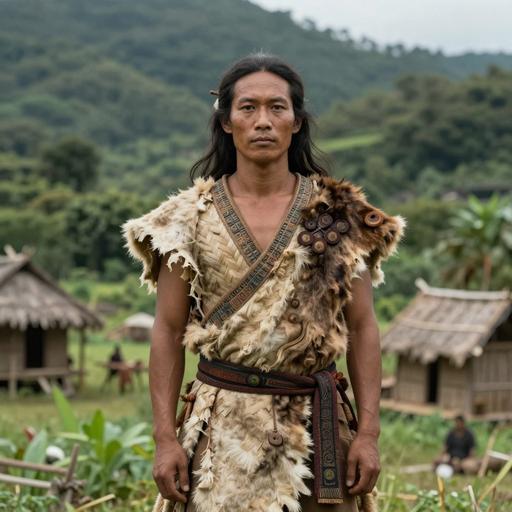
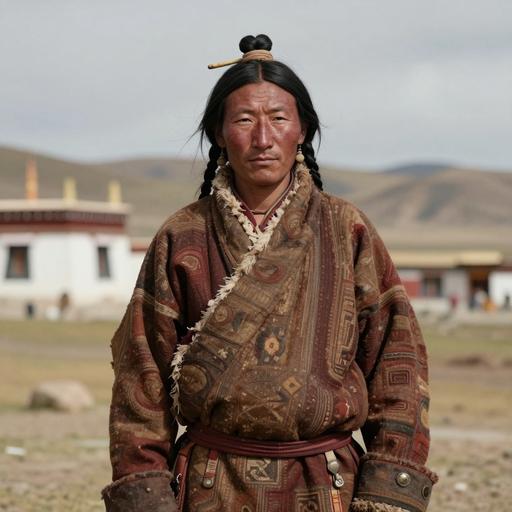
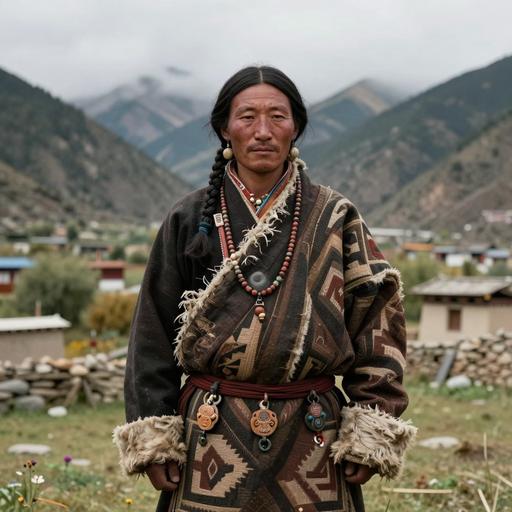
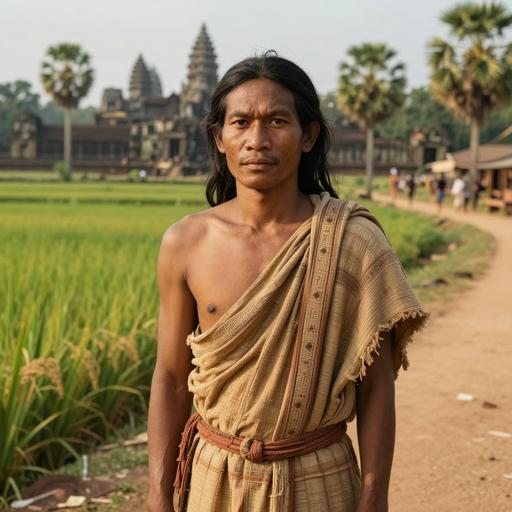
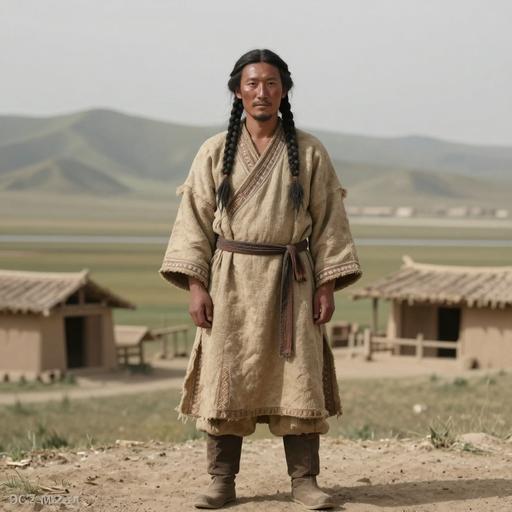
The distribution of O2A2A1A2 mirrors patterns seen for other O‑M95-derived lineages but is more concentrated in particular ethnolinguistic groups. Highest frequencies tend to occur in Austroasiatic-speaking populations (for example, certain Khmer, Mon, and Vietic groups), while moderate to low frequencies are observed in mainland Southeast Asian populations (Thai, Lao), Munda-speaking groups in eastern and central India (reflecting a westward dispersal of Austroasiatic-associated Y lineages), and sporadically in southern Han Chinese and some Austronesian-speaking groups in Island Southeast Asia. Low-level occurrences also appear in Tibeto-Burman and other neighboring groups due to localized admixture.
Regional frequency patterns are shaped by a combination of the original localized expansion, subsequent migrations, founder effects, and genetic drift. Modern sampling and ancient DNA studies confirm that the O‑M95 clade complex, including subclades like O2A2A1A2, is one of the major paternal components that track the prehistoric spread of agriculture and language families in Mainland and Island Southeast Asia.
Historical and Cultural Significance
O2A2A1A2 is important for reconstructing the demographic history of Austroasiatic-speaking peoples and the movements associated with rice and horticultural expansions across Southeast Asia. Its presence among Munda-speaking groups in India is particularly informative: genetic evidence supports a modeled migration of Austroasiatic-related males into South Asia, bringing O‑M95-derived Y lineages while often mixing with local maternal lineages and other paternal types.
Archaeologically, the lineage likely rose to local prominence during or after late Neolithic cultural transformations and shows genetic echoes in Bronze Age and later archaeological contexts in the region (e.g., sites associated with Ban Chiang and Dong Son cultural horizons), though direct one-to-one assignments between haplogroups and archaeological cultures require careful integration with ancient DNA and archaeological data. The modern distribution of O2A2A1A2 thus reflects both prehistoric demographic expansions tied to subsistence change and more recent historical processes (trade, warfare, and social integration).
Conclusion
O2A2A1A2 is a regional subclade of the O‑M95 paternal lineage that helps refine our understanding of late Holocene population structure in Mainland Southeast Asia, the secondary dispersal of Austroasiatic-associated males into South Asia, and low-level spread into Island Southeast Asia and southern China. Continued high-resolution Y-chromosome sequencing and ancient DNA sampling across Southeast and South Asia will further clarify the fine-scale phylogeny and demographic history of this clade.
Key Points
- Origins and Evolution
- Subclades (if applicable)
- Geographical Distribution
- Historical and Cultural Significance
- Conclusion