The Story
The journey of Y-DNA haplogroup O2A2B1A1A1A1A1B1
Origins and Evolution
Y-DNA haplogroup O2A2B1A1A1A1A1B1 sits as a very deep downstream tip within the broader O-M95 / O2a2 phylogeny. Given its position beneath O2A2B1A1A1A1A1B, and considering the parent clade has been dated to the very recent Late Holocene, the most parsimonious interpretation is that O2A2B1A1A1A1A1B1 arose within the last few centuries to a millennium in Mainland Southeast Asia (including adjacent areas of southern China). Its emergence likely reflects a recent local founder effect or pedigree expansion within specific communities rather than an ancient population-wide migration event.
The low internal diversity expected for such a terminal branch (short branch length on high-resolution trees) suggests a recent coalescent time and a small number of paternal founders. Detection in modern samples and in one reported ancient DNA specimen (limited sampling) supports the idea of recent local establishment and persistence.
Subclades (if applicable)
As a very downstream and narrowly defined haplogroup, O2A2B1A1A1A1A1B1 currently shows limited recognized internal substructure in publicly available high-resolution trees. If expanded sequencing (SNP discovery and whole Y sequencing) is applied to carriers, it may reveal micro-branches reflecting local kinship groups or village-level founder events. Until broader sampling is performed, it should be treated as a terminal/near-terminal lineage derived from O2A2B1A1A1A1A1B.
Geographical Distribution
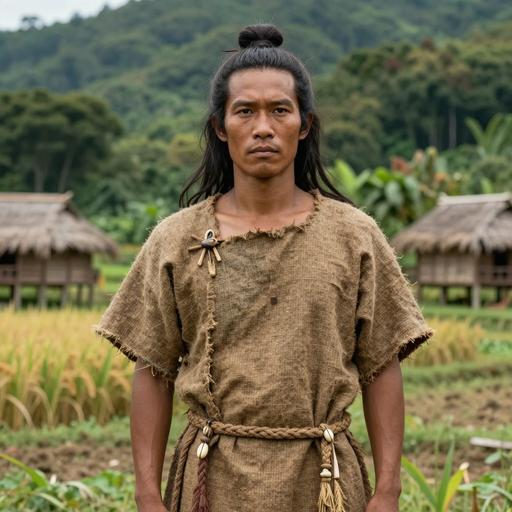
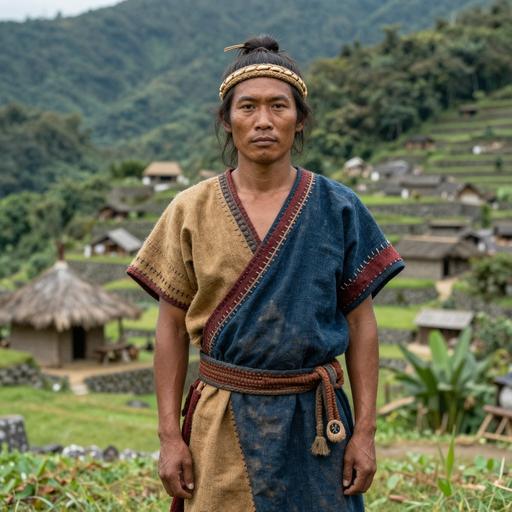
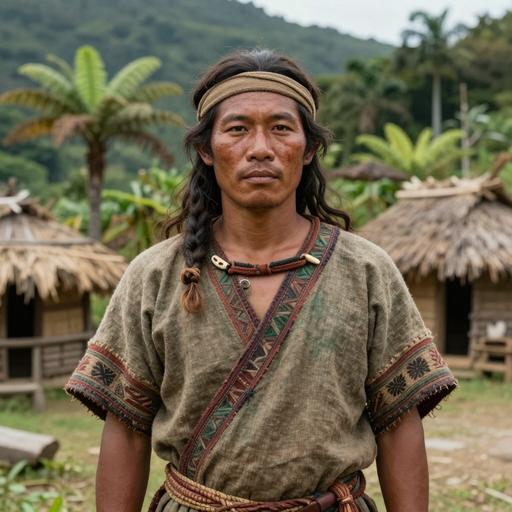
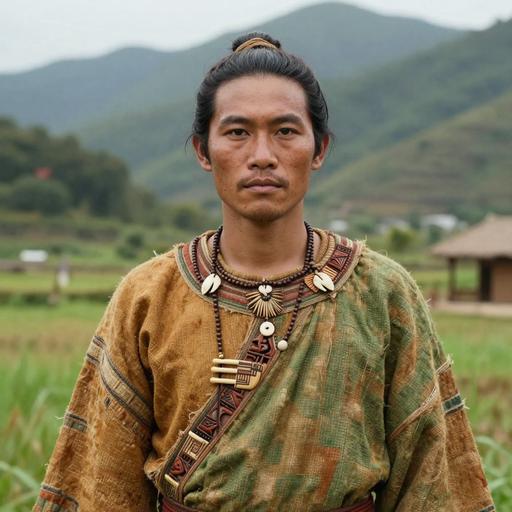
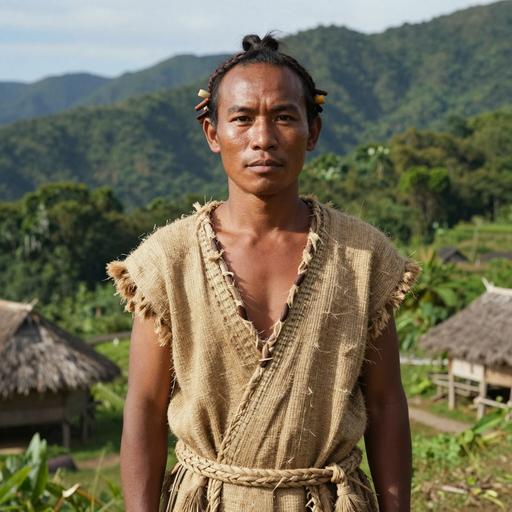
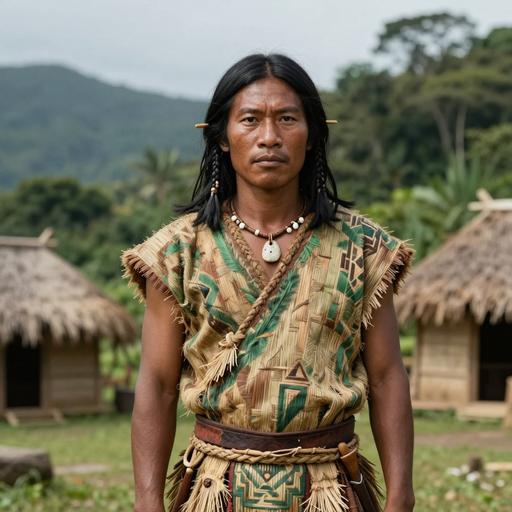
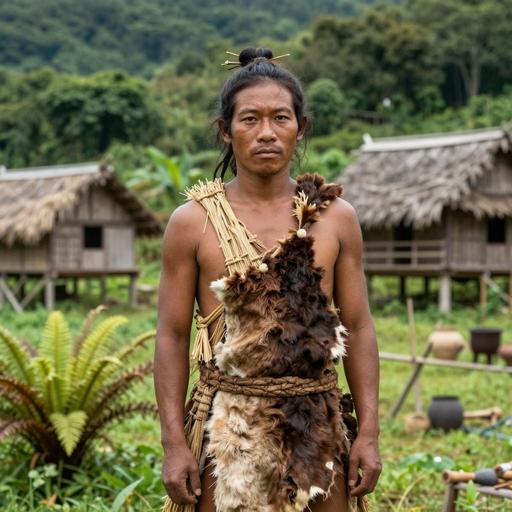
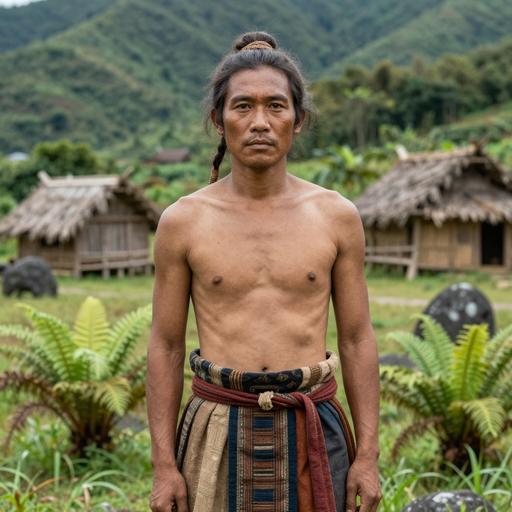
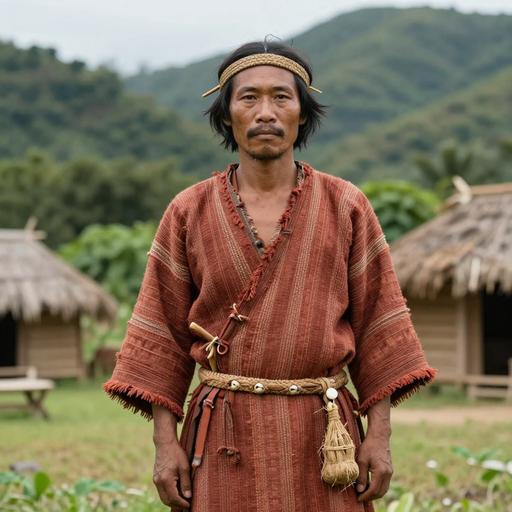
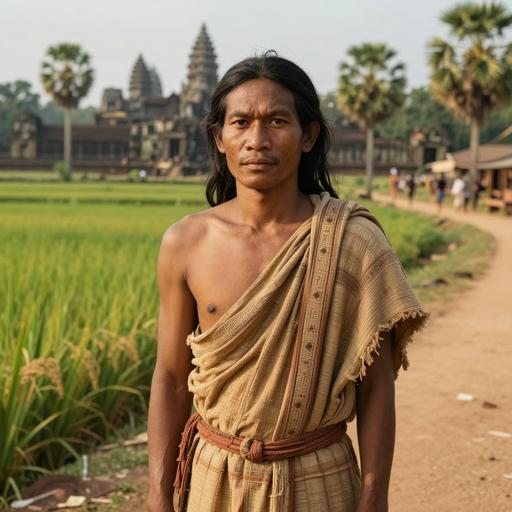
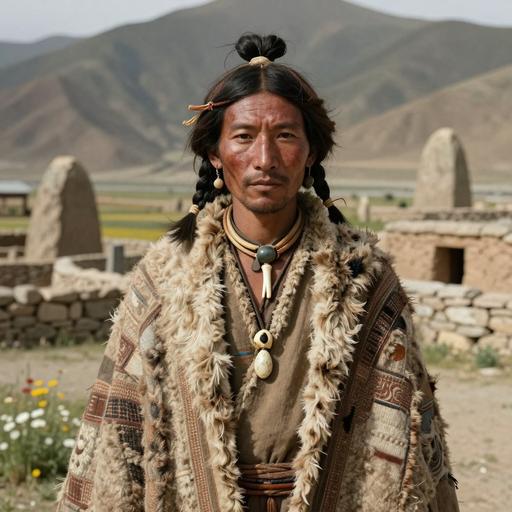
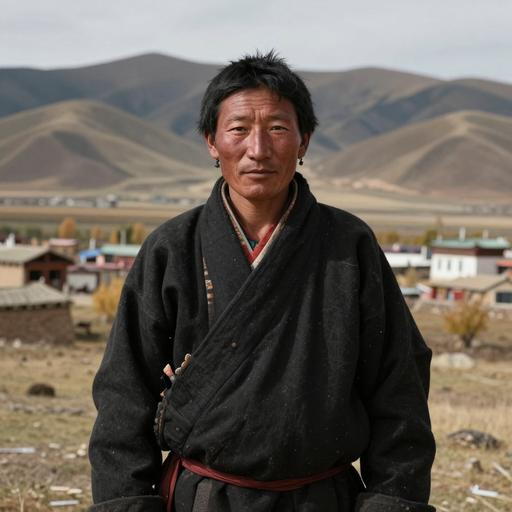
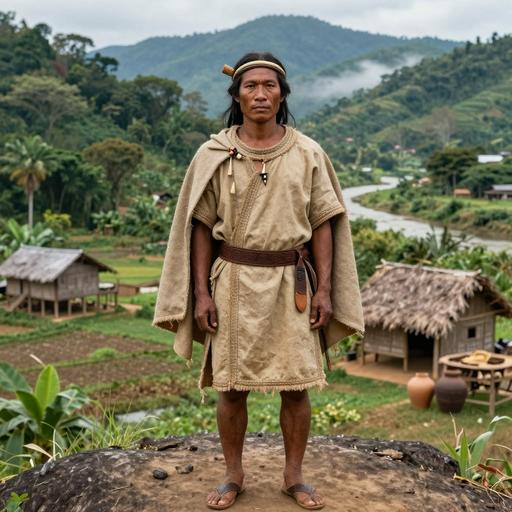
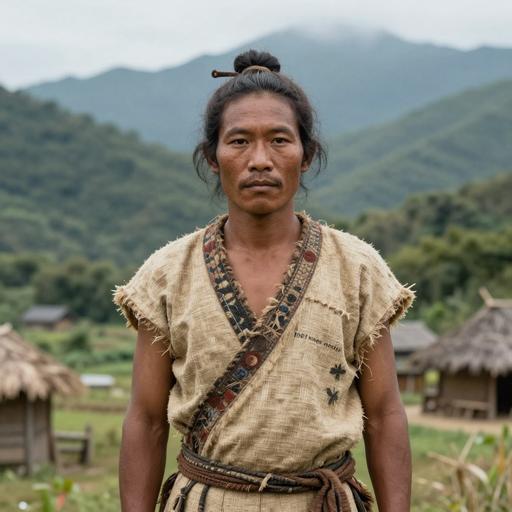
This haplogroup is geographically concentrated in Mainland Southeast Asia with scattered low-frequency occurrences beyond that core. It is most commonly observed among Austroasiatic-speaking populations (Mon, Khmer, various Vietic groups) where local founder effects are plausible. Sporadic, low-frequency occurrences are reported among Munda-speaking groups in eastern and central India (likely reflecting historical gene flow or founder-mediated migration), southern Han Chinese and ethnic minorities in southern China (from contact/admixture), some Tai-speaking populations (Thai, Lao) in areas of Austroasiatic contact, and occasionally among Austronesian-speaking groups in Island Southeast Asia and Taiwan as a result of recent admixture.
Sampling bias — both geographic and ethnolinguistic — influences our perception of distribution. Low frequencies outside the core range indicate this subclade is not a broad regional marker but rather a useful indicator of recent local male-line ancestry when found in specific communities.
Historical and Cultural Significance
Given its very recent origin time and tight localization, O2A2B1A1A1A1A1B1 is best interpreted as a marker of recent paternal founder events within Austroasiatic-associated social groups rather than a driver of major prehistoric expansions. Its presence in Munda groups in India at low frequency may reflect historic gene flow during the Holocene or later population movements that carried minor O-M95 sublineages westward. In areas where Austroasiatic-speaking groups have interacted with Tai, Han, Tibeto-Burman, or Austronesian communities, O2A2B1A1A1A1A1B1 appears sporadically, mirroring patterns of cultural and genetic admixture in the last few centuries to millennia.
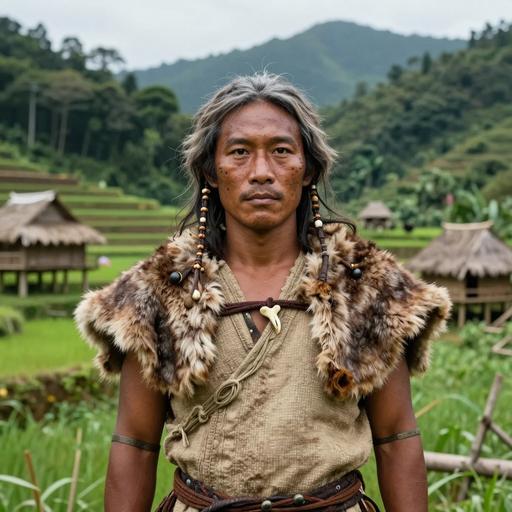
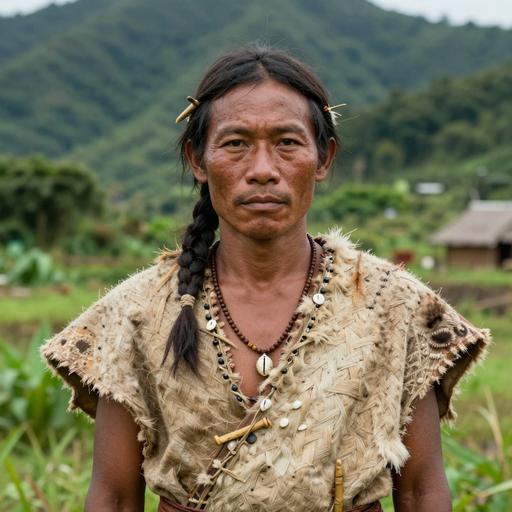
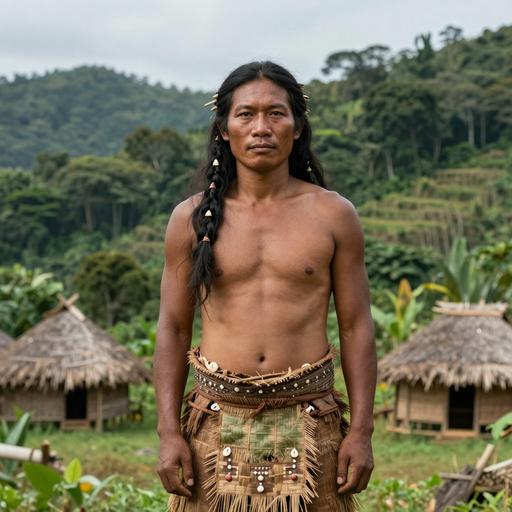
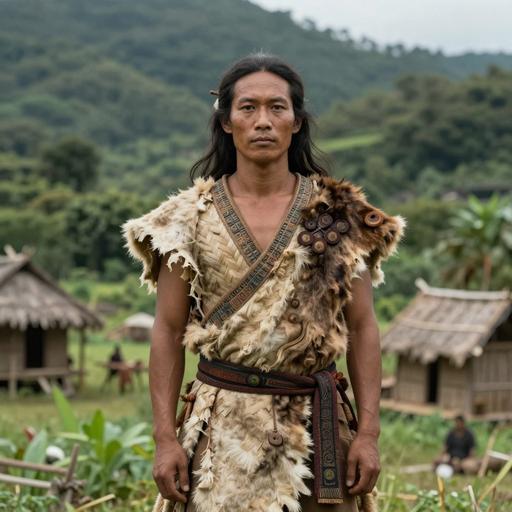
Because downstream O-M95 lineages are often associated with small-scale agriculturalist expansions (Austroasiatic-speaking rice-field colonists) in Mainland Southeast Asia, the presence of this terminal lineage in modern populations can sometimes trace recent male-line continuity in villages, clans, or lineages tied to such cultural groups.
Conclusion
O2A2B1A1A1A1A1B1 is a very recent, localized descendant of the O-M95 (O2a2) family, reflecting recent founder effects in Mainland Southeast Asia and adjacent regions. Its low diversity and limited geographic spread mean it is most informative for fine-scale, recent paternal genealogy and population structure studies rather than for reconstructing deep prehistory. Broader targeted Y-SNP discovery and whole-Y sequencing in Austroasiatic and neighboring groups are needed to refine its internal structure, age estimates, and exact distribution.
Key Points
- Origins and Evolution
- Subclades (if applicable)
- Geographical Distribution
- Historical and Cultural Significance
- Conclusion