The Story
The journey of Y-DNA haplogroup O2A2B2A
Origins and Evolution
Y-DNA haplogroup O2A2B2A is a subclade of O2A2B2 (a branch of the broader O2a2/O-M95 lineage). Based on its phylogenetic position and the demographic history of its parent clade, O2A2B2A most likely formed during the mid- to late-Holocene (several thousand years ago) in Mainland Southeast Asia or the adjacent southern Chinese margin. Its emergence is best understood in the context of postglacial population growth, the spread of wet-rice and other forms of agriculture, and the associated language-family dispersals (notably Austroasiatic) across mainland Southeast Asia and into parts of South Asia.
Divergence time estimates for subclades of O-M95 generally place their origins in the last 4–5 kya; as a downstream branch of O2A2B2, O2A2B2A is plausibly younger than the parent node and may have diversified during the same broad episode of Holocene demographic expansion that affected many East and Southeast Asian paternal lineages.
Subclades
As a terminal or downstream branch (O2A2B2A) relative to O2A2B2, this haplogroup may contain further local sublineages identified by finer SNPs in high-resolution studies and targeted sequencing. Published reports and genotyping datasets often resolve multiple micro-clades beneath O2A2B2 in regionally sampled populations; these smaller branches tend to show strong locale-specific structure consistent with recent founder effects and drift in village- or clan-level populations.
Geographical Distribution
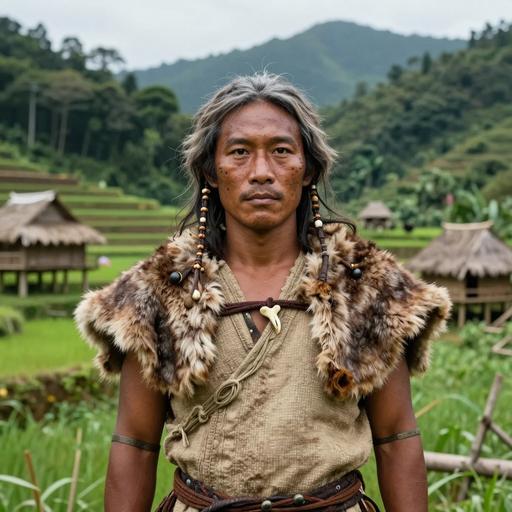
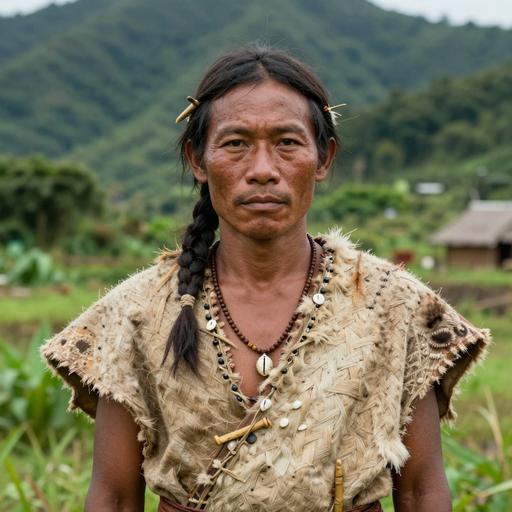
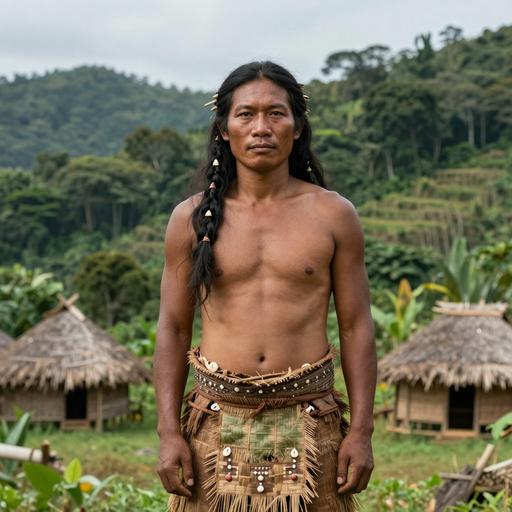
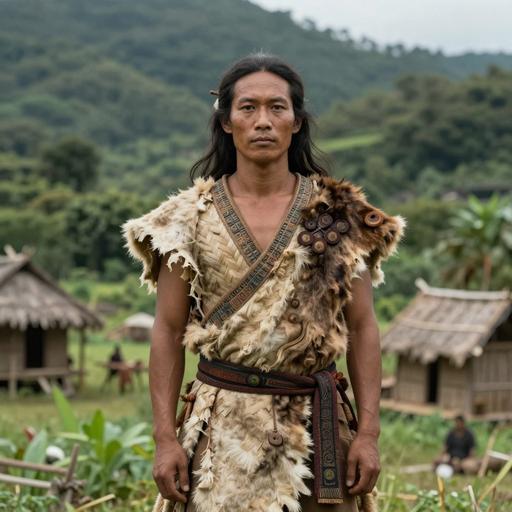
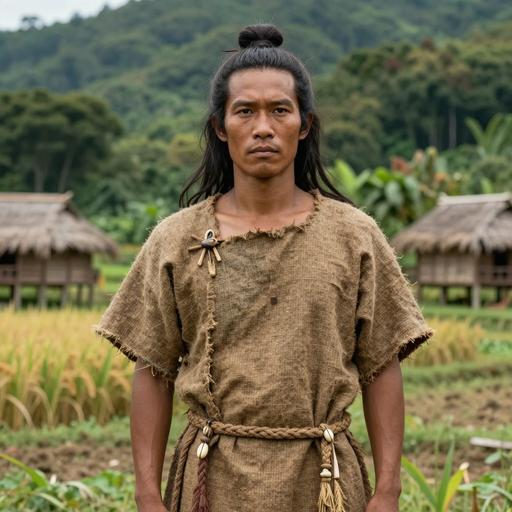
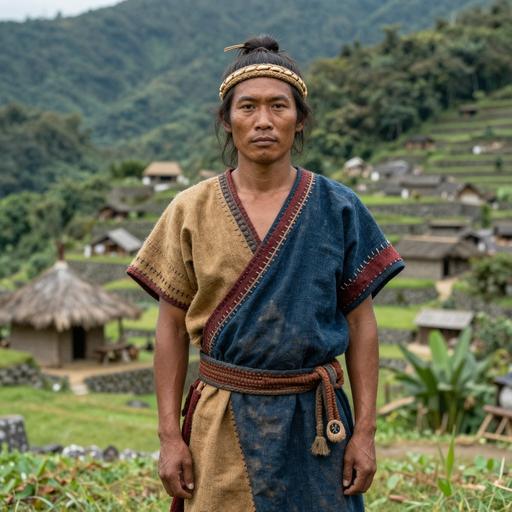
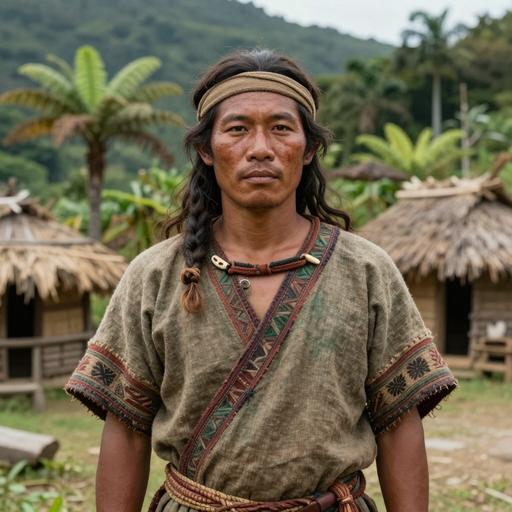
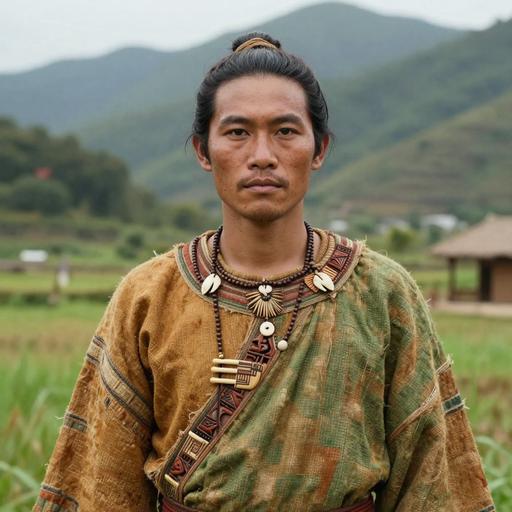
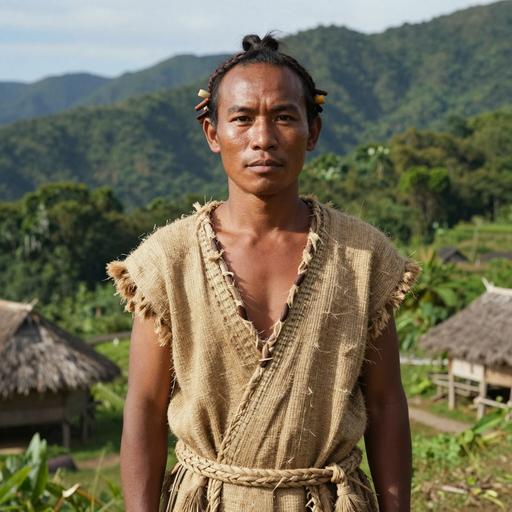
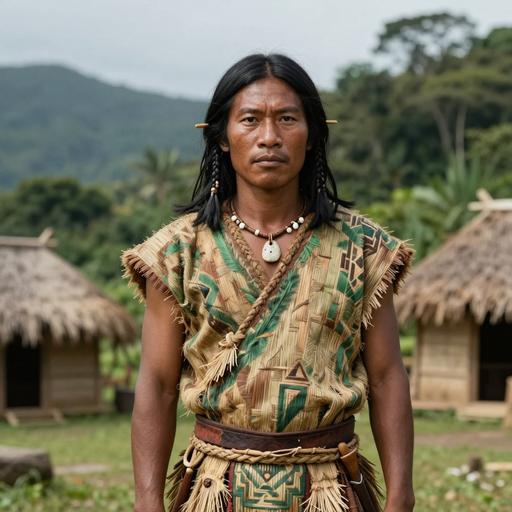
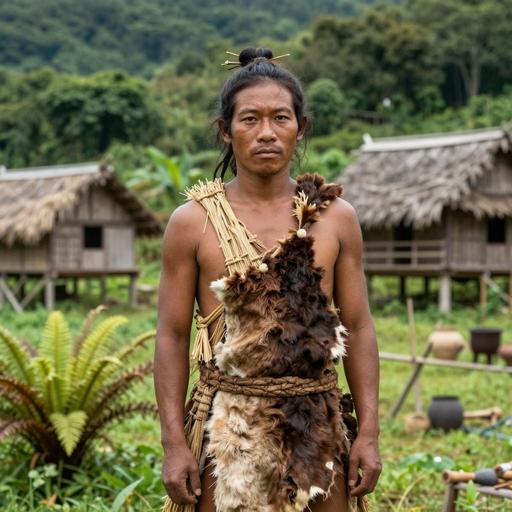
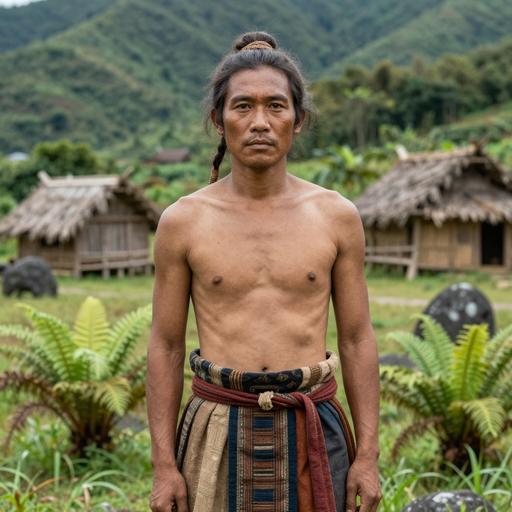
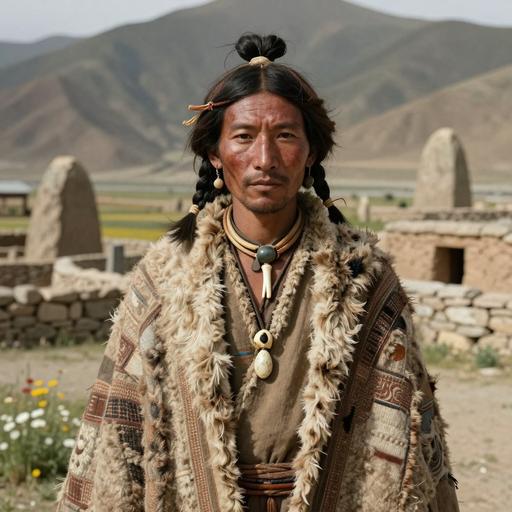
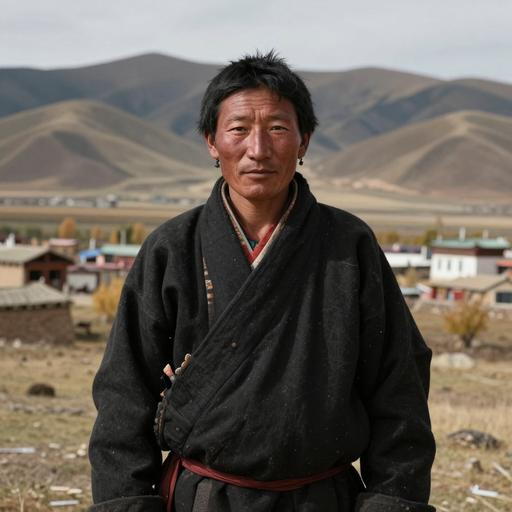
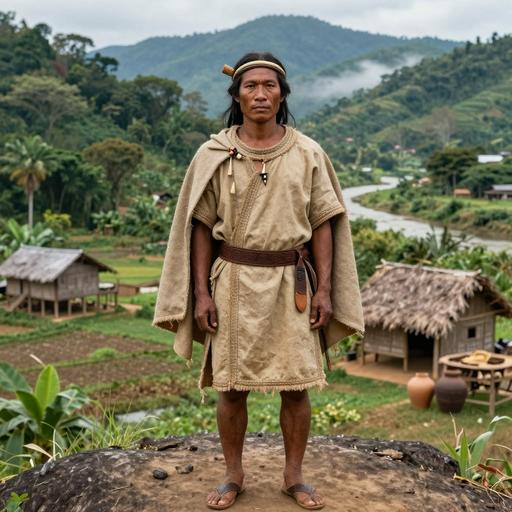
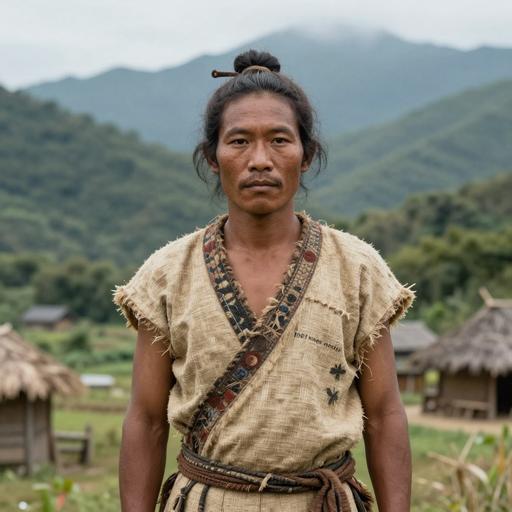
O2A2B2A is concentrated in Mainland Southeast Asia with spillover into adjacent regions. It is most common among Austroasiatic-speaking groups (for example Khmer, Mon, and several Vietic groups) and occurs at appreciable frequencies among Munda-speaking populations in eastern and central India—reflecting a westward component tied to the spread of Austroasiatic languages. Low to moderate frequencies appear in southern Han Chinese and ethnic minorities along the China–Southeast Asia margin, and sporadic low-level occurrences are reported in Tibeto-Burman, Tai-Kadai, and some Austronesian-speaking groups in Island Southeast Asia. Ancient DNA evidence for O2A2B2A is still limited (only a small number of ancient samples reported in public datasets), but its presence in archaeological contexts supports a Holocene-era role in regional demography.
Historical and Cultural Significance
The distribution and phylogeography of O2A2B2A align closely with models that link paternal lineages to the spread of agriculture and language families in mainland Southeast Asia. The lineage appears to have been carried by populations associated with early wet-rice cultivation and attendant cultural complexes that expanded during the late Neolithic to Bronze Age timeframe. For South Asia, O2A2B2A (and related O-M95 branches) are often invoked in discussions of the arrival of Munda-speaking groups into eastern and central India, representing a tangible genetic correlate of that movement.
It is important to emphasize caution: Y-chromosome lineages track a single paternal line and can be strongly affected by drift, founder events, and social structure. While O2A2B2A is a useful genetic marker for investigating Austroasiatic-associated expansions, its presence in a population reflects one piece of a multi-layered demographic history that also includes maternal lineages, autosomal ancestry, and local admixture.
Conclusion
O2A2B2A is a Holocene-age paternal lineage rooted in Mainland Southeast Asia/southern China and tied to the broader O-M95/O2a2 complex. Its contemporary distribution—high among Austroasiatic groups, present among Munda speakers in India, and detectable at lower frequencies in nearby language families—mirrors the dispersal routes of agricultural and linguistic expansions across mainland Southeast Asia and into South Asia. Continued high-resolution Y-SNP sequencing and increased ancient DNA sampling will refine the phylogeny and the timing and routes of migration associated with this haplogroup.
Key Points
- Origins and Evolution
- Subclades
- Geographical Distribution
- Historical and Cultural Significance
- Conclusion