The Story
The journey of Y-DNA haplogroup O2A2B2A2
Origins and Evolution
Y-DNA haplogroup O2A2B2A2 sits as a downstream branch of the O-M95 (often written O2a2) complex, a lineage that has been repeatedly linked by population genetics studies to Austroasiatic-speaking groups and Holocene agricultural expansions in Mainland Southeast Asia and adjacent regions. Based on the phylogenetic position (a subclade of O2A2B2A) and coalescent estimates for closely related branches, O2A2B2A2 most likely formed in the mid- to late-Holocene (on the order of ~3.0 kya), during or shortly after major demographic movements associated with farming and regional cultural shifts in the Bronze/Iron Age transition.
Subclades
As a relatively deep subclade of O2a2-derived lineages, O2A2B2A2 may itself contain further downstream diversity detectable only with high-resolution SNP or full Y-chromosome sequencing. Published and unpublished datasets show multiple private SNP clusters within this branch in different Austroasiatic and nearby populations, consistent with localized male-line diversification following an initial expansion. Because many studies rely on STR patterns or limited SNP panels, additional downstream substructure is expected as more whole-Y datasets from Southeast and South Asia become available.
Geographical Distribution
O2A2B2A2 shows its highest frequencies and greatest diversity in Mainland Southeast Asia, especially among Austroasiatic-speaking groups (e.g., Khmer, Mon, Vietic groups). It also appears at moderate frequencies among Munda-speaking populations in eastern and central India, consistent with a male-mediated migration or gene flow event bringing O2a2-derived lineages westward into South Asia. Lower and patchy frequencies occur in southern Han Chinese and other ethnic minorities of southern China, in some Tai-Kadai–adjacent populations (Thai, Lao), and at low/variable levels in certain Austronesian-speaking groups of Island Southeast Asia and Taiwan. Sporadic occurrences in Tibeto-Burman/Burmese groups and in admixed diaspora populations reflect historical contact and local admixture.
Ancient DNA identification of O2A2B2A2 is limited but present: at least a couple of archaeological samples have been assigned to this branch, supporting its presence in archaeological contexts in the last several thousand years.
Historical and Cultural Significance
Population genetic and linguistic correlations strongly associate O2a2-derived lineages (including O2A2B2A2) with the spread of Austroasiatic languages and agricultural practices across Mainland Southeast Asia. In South Asia, the presence of this lineage among Munda-speaking groups is interpreted as a trace of a Holocene movement of Austroasiatic-speaking males into eastern and central India, where they admixed with local South Asian populations. The distribution pattern—high in Austroasiatic groups, moderate in Munda, low in neighboring groups—fits a model of male-biased migration tied to farming and language transmission.
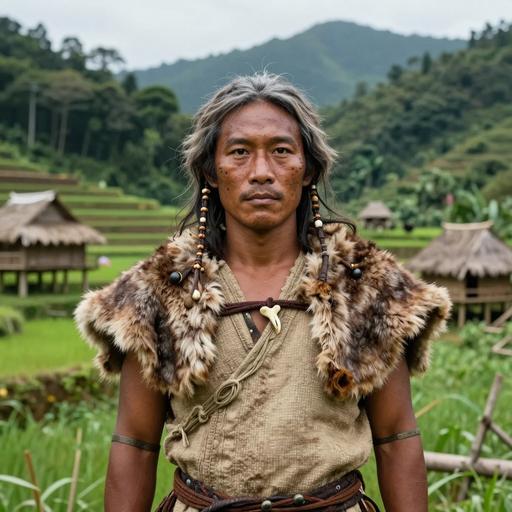
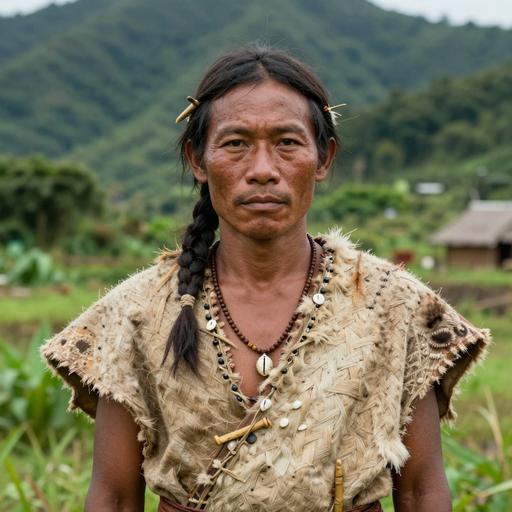
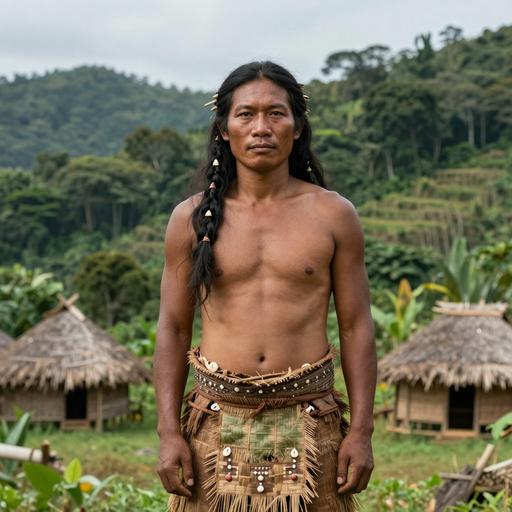
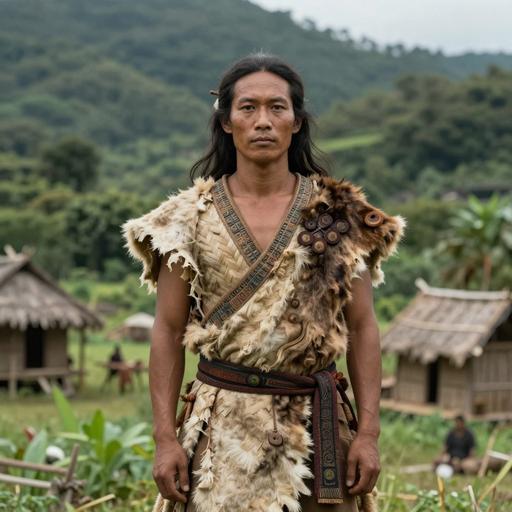
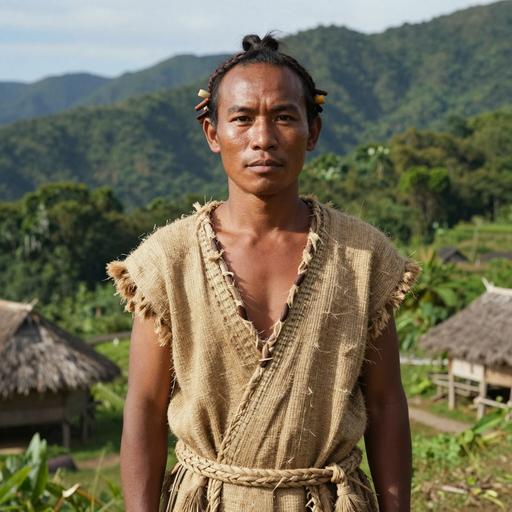
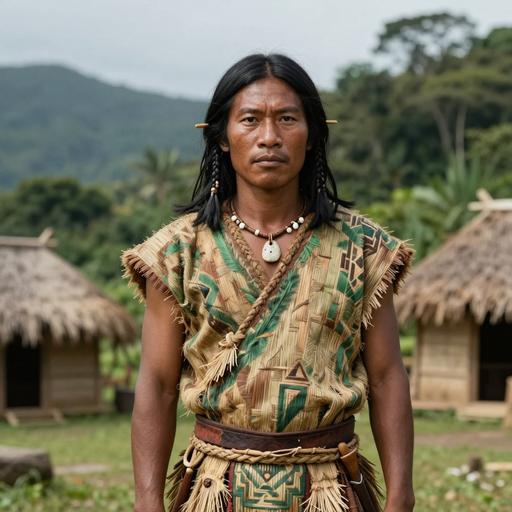
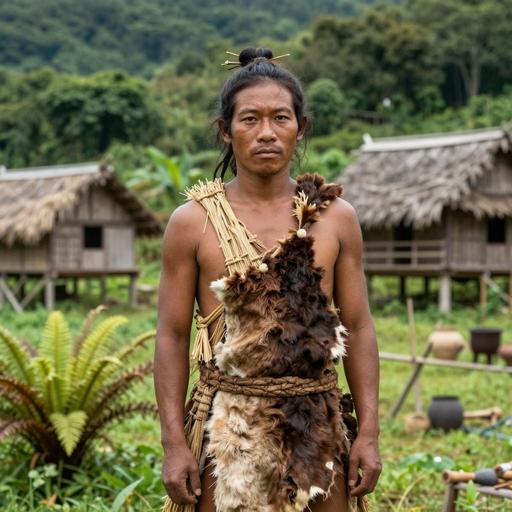
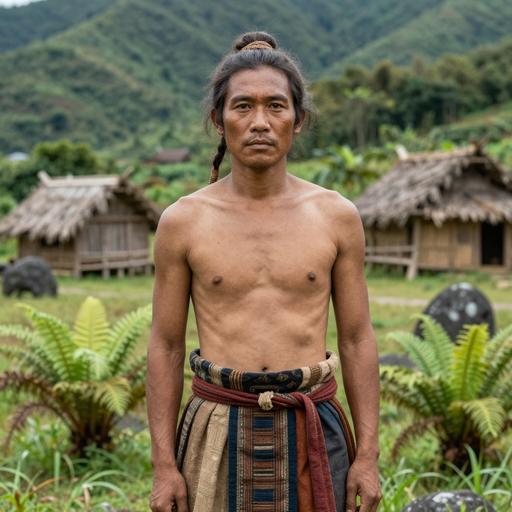
At a regional archaeological level, O2A2B2A2 would be expected among populations associated with late Neolithic to Bronze Age cultural horizons in Mainland Southeast Asia (for example, contexts linked to rice and millet cultivation and later Bronze/Iron Age societies). Over time, interaction with expanding Tai-Kadai, Austronesian, and Sino-Tibetan groups has produced the modern mosaic of frequencies.
Conclusion
O2A2B2A2 is an informative regional subclade of the broader O-M95 family, carrying a signal of Holocene demographic processes in Mainland Southeast Asia and associated intraregional dispersals into South and Island Southeast Asia. Continued sampling, higher-resolution SNP typing, and ancient DNA recovery will refine the internal structure and precise migratory episodes tied to this lineage, but current evidence supports its role as a marker of Austroasiatic-linked male ancestry and agricultural expansions in the mid- to late-Holocene.
Key Points
- Origins and Evolution
- Subclades
- Geographical Distribution
- Historical and Cultural Significance
- Conclusion