The Story
The journey of mtDNA haplogroup D4J5A1
Origins and Evolution
mtDNA haplogroup D4J5A is a downstream branch of the D4J5 lineage, itself part of the broader East Asian macro-haplogroup D4. The D4 clade is one of the dominant maternal lineages in northern and eastern Asia; subclades such as D4J5A appear to represent later, regionally restricted diversification events that occurred during the mid- to late-Holocene. Based on phylogenetic position relative to other D4 subclades and available ancient calibrations, D4J5A most plausibly originated in a Northeast/East Asian setting around ~6 thousand years ago (kya), reflecting local maternal lineage differentiation after the Pleistocene–Holocene transition.
Subclades (if applicable)
D4J5A has at least one recognized downstream branch (e.g., D4J5A1), indicating some limited diversification after the initial split from D4J5. The downstream diversity of D4J5A is modest compared with major D4 branches, consistent with a relatively recent origin and a geographically localized distribution. Where available, ancient DNA matches to D4J5A or its subclades are rare but informative, showing continuity in some Holocene Northeast Asian contexts.
Geographical Distribution
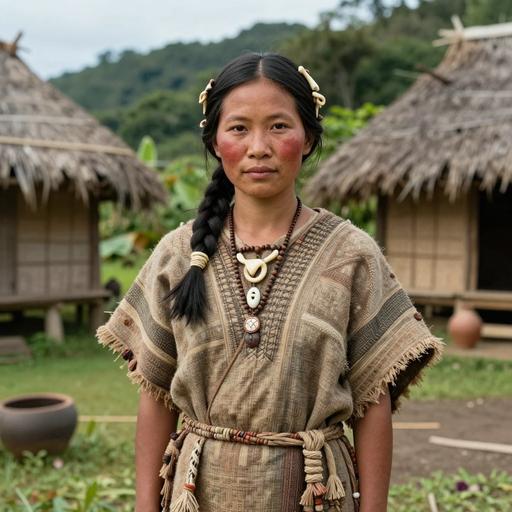
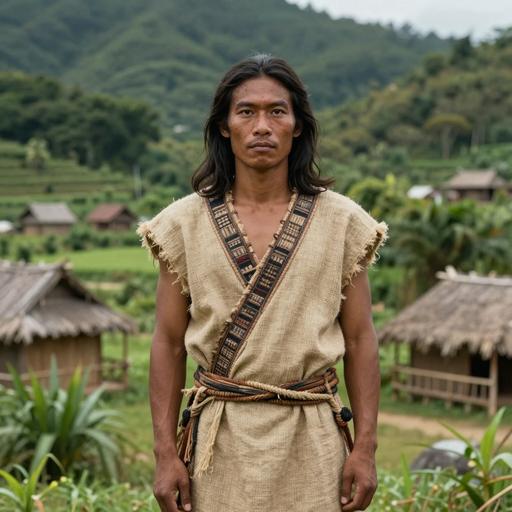
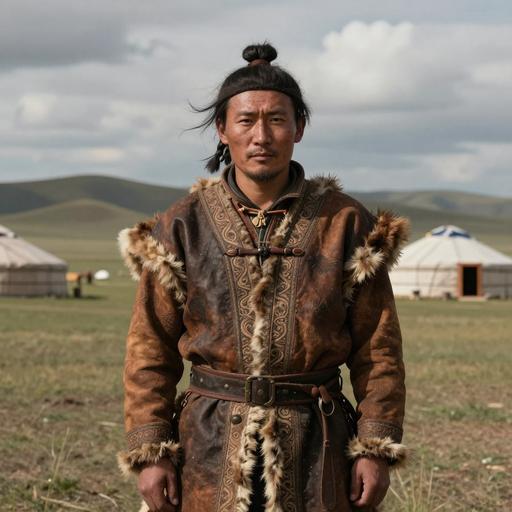
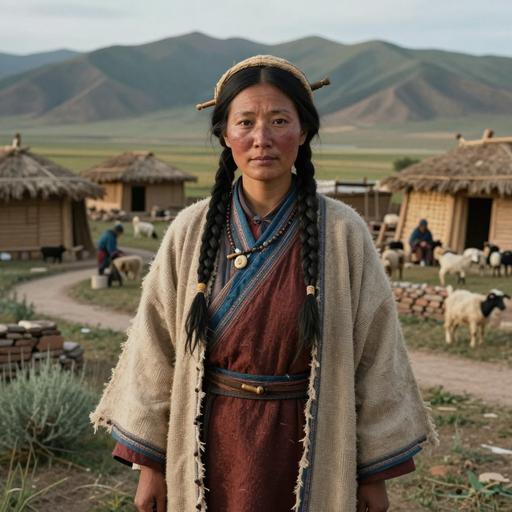
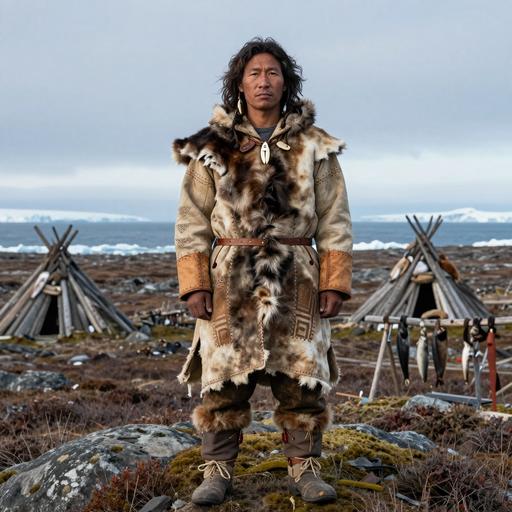
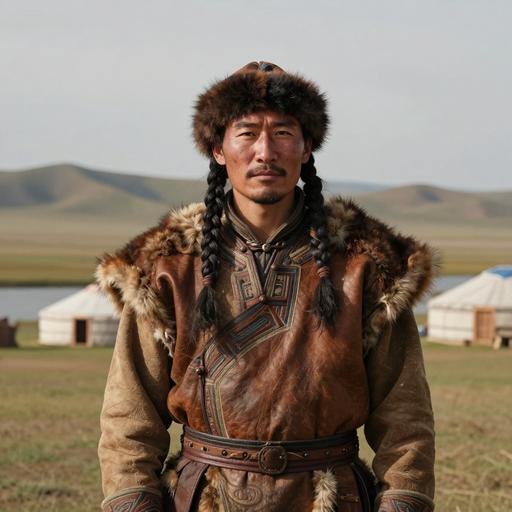
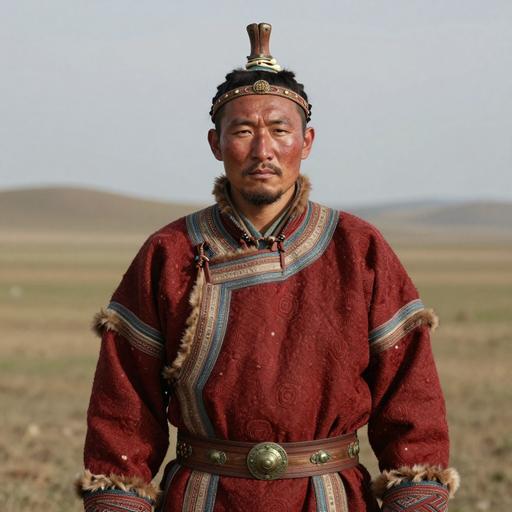
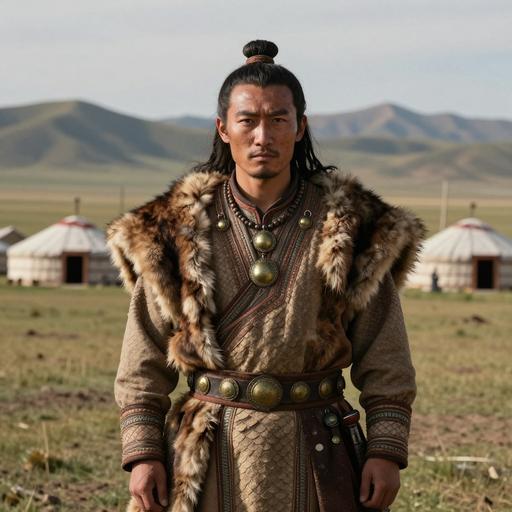
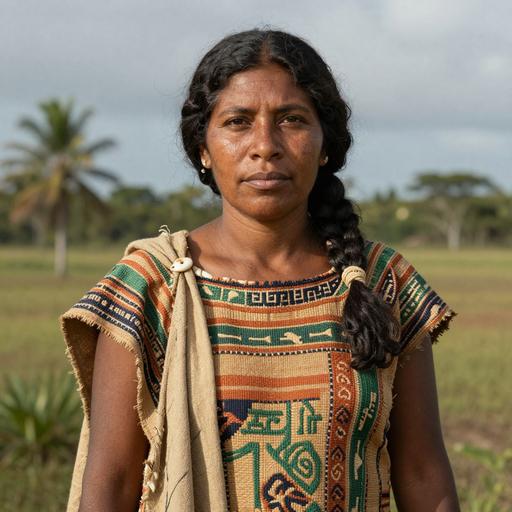
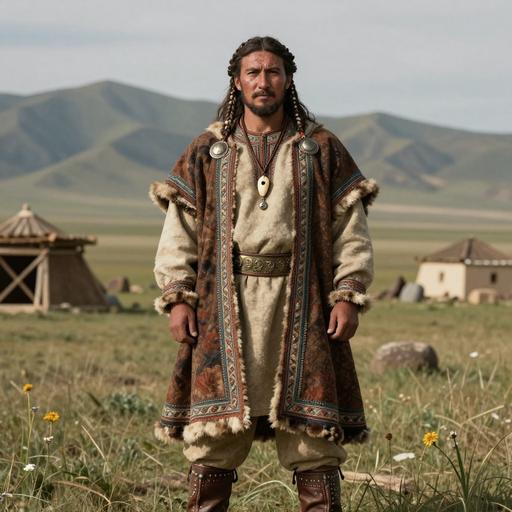
The modern and ancient occurrences of D4J5A are concentrated in Northeast and East Asia. Present-day detections include northeastern Chinese Han populations, Koreans, Japanese (including lineages related to Jomon-period and later populations), Tungusic-speaking and other indigenous Siberian groups, and occasional low-frequency finds among Yakut, Mongolic and Turkic speakers in East–Central Asia. A small number of Holocene ancient samples from the Amur/Primorye region and neighboring contexts have been assigned to D4J5A, supporting regional persistence through the mid- to late-Holocene.
Historical and Cultural Significance
D4J5A appears to represent a regional maternal lineage that both predates and overlaps with cultural transitions in Northeast Asia during the Holocene. Its presence in modern populations and a few archaeological samples suggests continuity among local hunter-gatherer and mixed forager–farmer communities rather than large-scale demographic replacement. Associations with Jomon-related and Amur Neolithic contexts indicate that D4J5A may have been part of the maternal gene pool of coastal and riverine populations in the Russian Far East, northern Japan, and adjacent areas, persisting through later population interactions (for example, with early agricultural expansions and steppe-related influences) without becoming a major expanding lineage.
Conclusion
mtDNA D4J5A and its subclades are best understood as mid-Holocene, regionally focused maternal lineages in Northeast/East Asia. Their limited diversity and low-to-moderate frequencies today, together with sparse ancient DNA occurrences, point to localized continuity and limited demographic expansion compared with more widespread East Asian maternal haplogroups. Continued targeted sampling in understudied northeastern Asian populations and additional ancient DNA recovery will refine the phylogeographic picture and the timing of subclade splits such as D4J5A1.
Key Points
- Origins and Evolution
- Subclades (if applicable)
- Geographical Distribution
- Historical and Cultural Significance
- Conclusion