Menu
mtDNA Haplogroup • Maternal Lineage

D

mtDNA Haplogroup D

~45,000 years ago
East / Northeast Asia
7 subclades
137 ancient samples
Scroll to explore
Chapter I

The Story

The journey of mtDNA haplogroup D

Origins and Evolution

Haplogroup D is a major mitochondrial DNA (mtDNA) lineage derived from macro-haplogroup M. It likely formed in East or Northeast Asia during the Upper Paleolithic (estimates commonly center around ~40–50 kya). From that ancestral node, D underwent substantial regional diversification throughout Northeast Asia and Siberia during the Late Pleistocene, producing multiple subclades (e.g., D1, D2, D3, D4, D5 and their internal branches) that reflect both local expansions and long-distance dispersals.

Subclades

  • D4: One of the most widespread D subclades across Northeast Asia and Siberia; includes derivatives common in modern East Asian populations and some lineages that contributed to New World diversity.
  • D5: Found principally in East and parts of Southeast Asia; often at moderate frequencies in China and neighboring regions.
  • D1 / D4h3: Important in the context of the Americas — D1 is among the principal Native American D lineages and is widely distributed in North and South America; D4h3a is associated with coastal dispersal routes into the Americas and shows a stronger representation in some South American populations.
  • D2, D3: Typically present in Arctic, Aleut, and some Siberian groups (D2 showing affinities with Aleut and other circumpolar populations); several minor subclades are geographically restricted to particular indigenous Siberian groups.

Age estimates vary by subclade; for example, the split leading to the Native American D1 clade is generally dated to the terminal Pleistocene (~15–18 kya), consistent with human migrations into the Americas, whereas many East Asian D lineages diversified earlier in the Late Pleistocene.

Geographical Distribution

Haplogroup D shows a strong geographic focus in East Asia and Northeast Asia / Siberia, with decreasing but detectable frequencies across Central and parts of South Asia, and distinct derived lineages in the Americas. Present-day patterns reflect both deep Paleolithic structure and later demographic events (Holocene expansions, local founder effects, and historical migrations). D is commonly observed in:

  • Populations of China, Korea, and Japan (including a high legacy signal in ancient Jomon individuals)
  • Indigenous Siberian groups (Yakuts, Evenks, Yukaghir and others)
  • Various Native American populations (primarily through D1 and D4h3a branches)
  • Southeast Asia and southern China at lower to moderate frequencies for some subclades
  • Rare occurrences in Oceania and East Africa largely attributable to historical admixture or later movements

Historical and Cultural Significance

Because of its antiquity and distribution, mtDNA D is a key lineage for reconstructing prehistoric movements across northern Asia and for understanding the peopling of the Americas. Genetic studies integrating ancient DNA have recovered D lineages in Paleolithic and Holocene remains from East Asia and in early Holocene individuals in the Americas, supporting its role in both local continuity (for many Siberian and East Asian groups) and long-range dispersals (initial colonization of the New World). In Japan, for example, D lineages appear in Jomon-era samples, reflecting deep local continuity prior to agricultural demographic changes.

Conclusion
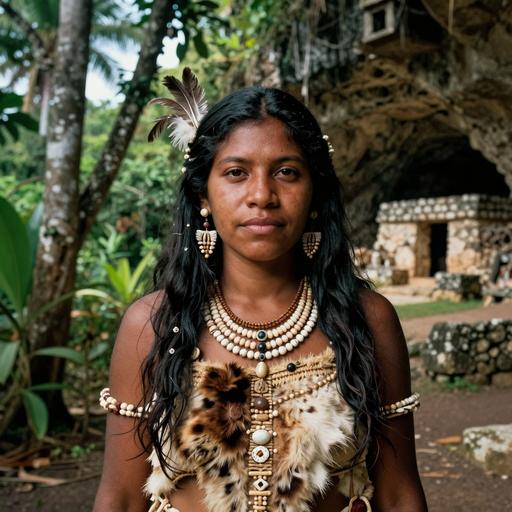
mtDNA haplogroup D is a central East Eurasian maternal lineage with deep Paleolithic roots and a complex subclade structure that documents human expansions across Northeast Asia, Siberia, and into the Americas. Its geographic and phylogenetic patterns make it invaluable for reconstructing Late Pleistocene and early Holocene population history in northern Eurasia and the Americas.

Key Points

  • Origins and Evolution
  • Subclades
  • Geographical Distribution
  • Historical and Cultural Significance
  • Conclusion

Chapter II

Tree & Relationships

Phylogenetic context and subclades

Evolution Path

This haplogroup's evolutionary journey from its earliest ancestor to the present.

Steps Haplogroup Age Estimate Archaeology Era Time Passed Immediate Descendants Tested Modern Descendants Ancient Connections
1 D Current ~45,000 years ago 🦴 Paleolithic 45,000 years 7 398 137
2 M ~60,000 years ago 🦴 Paleolithic 60,000 years 11 1,200 41
3 L3 ~70,000 years ago 🦴 Paleolithic 70,000 years 11 17,621 6
4 L ~160,000 years ago 🦴 Paleolithic 160,000 years 7 18,987 5

Siblings (10)

Other branches from the same parent haplogroup

Chapter III

Where in the World

Geographic distribution and modern presence

Place of Origin

East / Northeast Asia

Modern Distribution

The populations where MTDNA haplogroup D is found include:

  1. East Asian populations (Chinese, Japanese, Korean)
  2. Indigenous Siberian groups (Yakut, Evenk, Yukaghir, Nganasan, etc.)
  3. Indigenous peoples of the Americas (through subclades such as D1 and D4h3a)
  4. Central Asian populations (at lower to moderate frequencies in some groups)
  5. Southeast Asian populations (Vietnamese, Thai, Malay groups; certain subclades)
  6. Arctic and Aleut populations (notably D2 and related clades)
  7. Jomon-era and other ancient East Asian archaeological samples
  8. Low-frequency occurrences in Oceania and parts of eastern Africa (often attributable to historical contacts or later admixture)
CHAPTER IV

When in Time

Your haplogroup in the context of human history

~50k years ago

Upper Paleolithic

Advanced tool-making, art, and cultural explosion
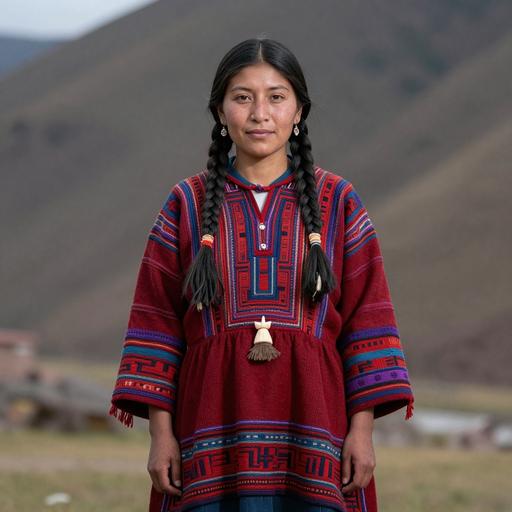
~45k years ago

Haplogroup D

Your mtDNA haplogroup emerged in East / Northeast Asia

East / Northeast Asia
~20k years ago

Last Glacial Maximum

Peak of the last ice age, populations isolated

~10k years ago

Neolithic Revolution

Agriculture begins, settled communities form

~5k years ago

Bronze Age

Metalworking, writing, and early civilizations

~3k years ago

Iron Age
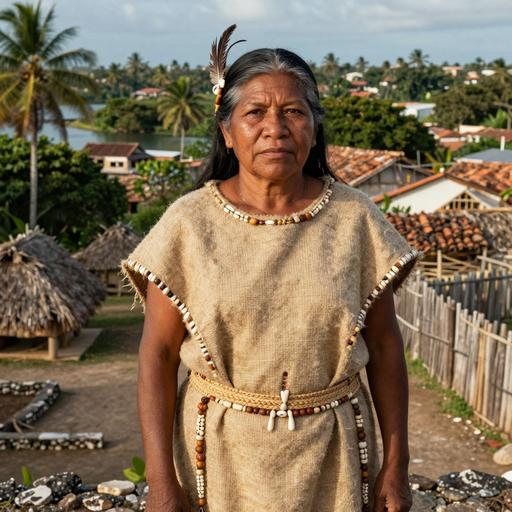
Iron tools, expanded trade networks

~2k years ago

Classical Antiquity

Greek and Roman civilizations flourish

Present

Present Day

Modern era

Your Haplogroup
Historical Era
Chapter IV-B

Linked Cultures

Ancient cultures associated with mtDNA haplogroup D

Cultural Heritage

These ancient cultures have been linked to haplogroup D based on matching ancient DNA samples from archaeological excavations. The presence of this haplogroup in these cultures provides insights into the migrations and population movements of populations carrying this haplogroup.

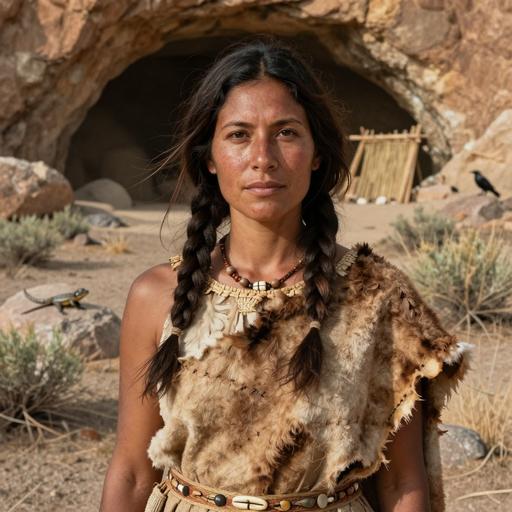
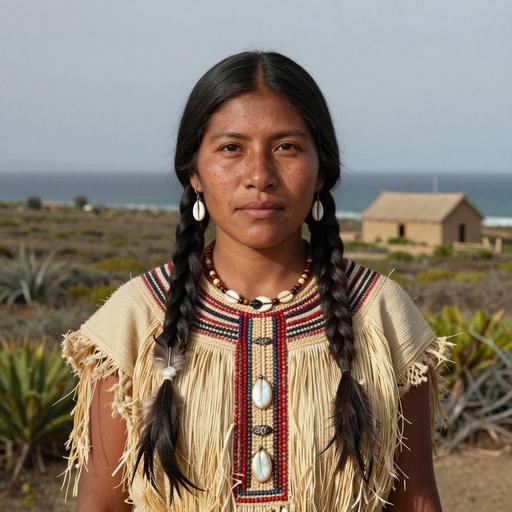
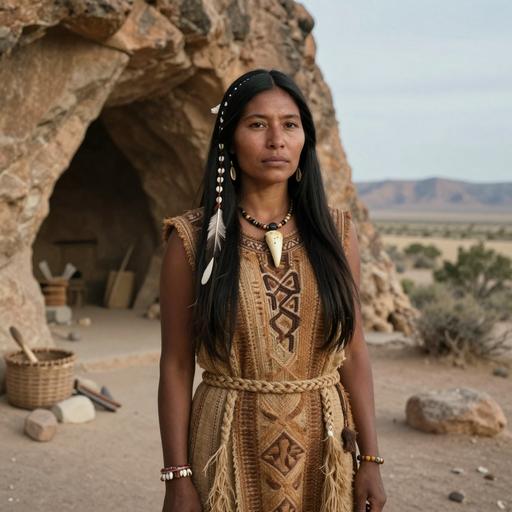
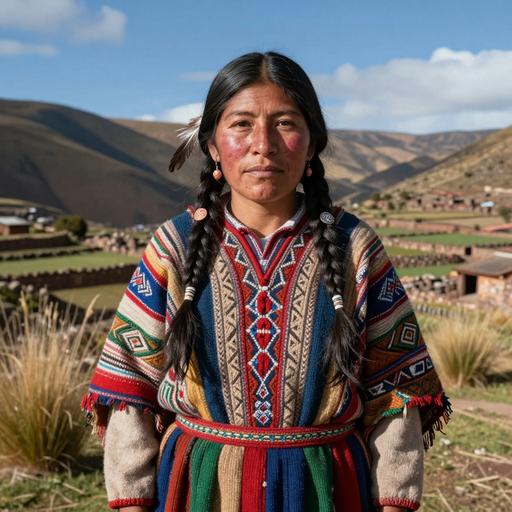
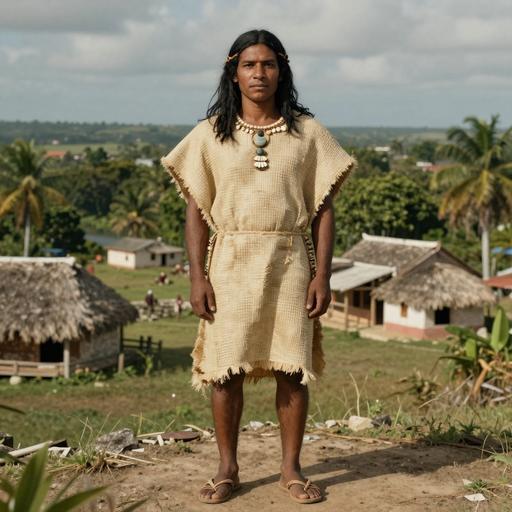
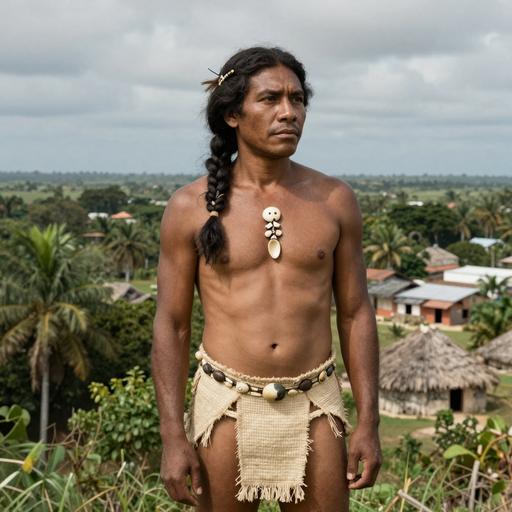
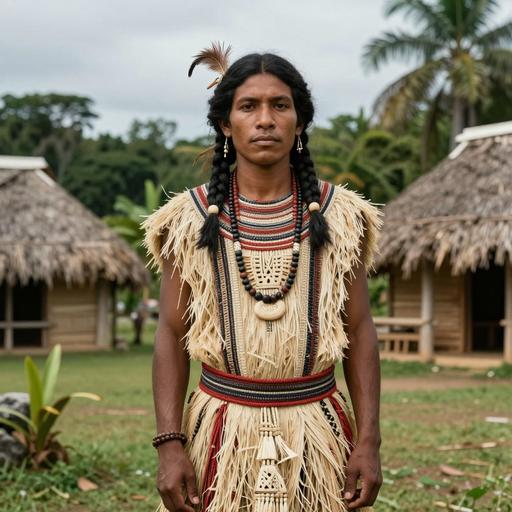
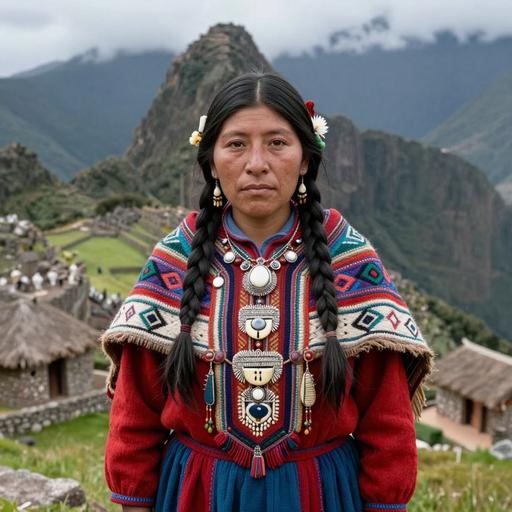
Arroyo Seco Devil's Cave Culture Spirit Cave Sumidouro
Culture assignments are based on archaeological context of ancient DNA samples and may represent regional associations during specific time periods.
Chapter V

Sample Catalog

Top 50 ancient DNA samples directly related to haplogroup D or parent clades

50 / 50 samples
Portrait Sample Country Era Date Culture mtDNA Match
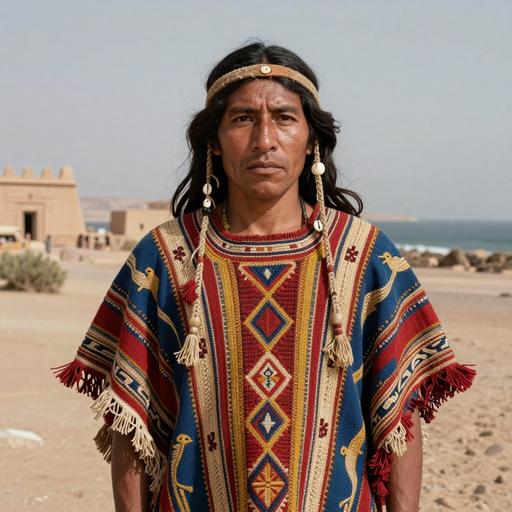
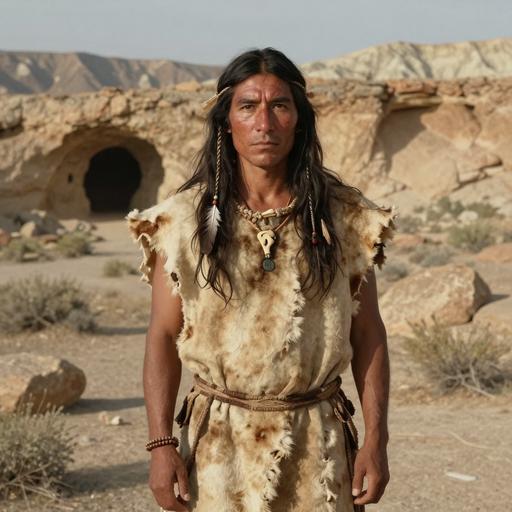
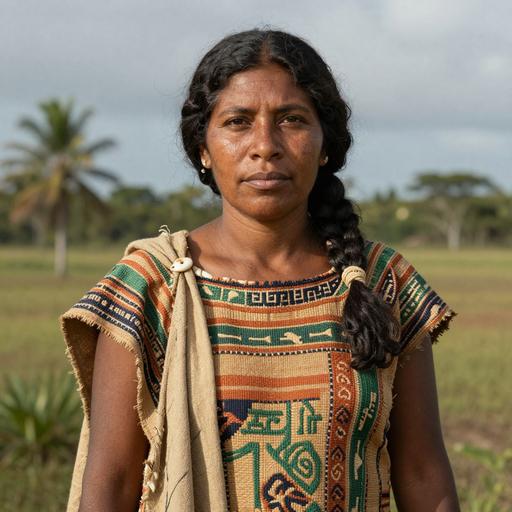
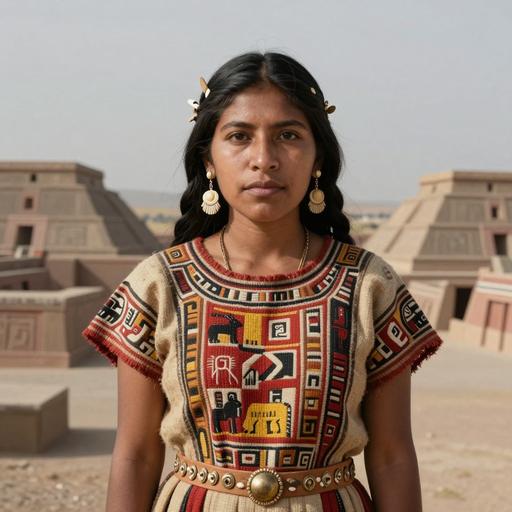
Portrait of ancient individual Lovelock2 from USA, dated 26 CE - 207 CE
Lovelock2
USA Lovelock Cave, Nevada, USA 1,850 Years Ago 26 CE - 207 CE Lovelock D1 Direct
Portrait of ancient individual I11287 from USA, dated 41 BCE - 106 CE
I11287
USA Chumash Culture 41 BCE - 106 CE Chumash D1 Direct
Portrait of ancient individual Lovelock1 from USA, dated 49 BCE - 110 CE
Lovelock1
USA Lovelock Cave, Nevada, USA 1,850 Years Ago 49 BCE - 110 CE Lovelock D1 Direct
Portrait of ancient individual PDM008 from Cuba, dated 89 CE - 226 CE
PDM008
Cuba Archaic Period Playa del Mango, Cuba 89 CE - 226 CE Playa del Mango D1 Direct
Portrait of ancient individual IL2 from Peru, dated 100 CE - 550 CE
IL2
Peru Rio Uncallane, Peru 1,800 Years Ago 100 CE - 550 CE Rio Uncallane D1 Direct
Portrait of ancient individual I2233 from Peru, dated 115 BCE - 205 CE
I2233
Peru Early Horizon Paracas Culture, Peru 2,250 Years Ago 115 BCE - 205 CE Paracas Culture D1 Direct
Portrait of ancient individual Lovelock4 from USA, dated 126 CE - 313 CE
Lovelock4
USA Lovelock Cave, Nevada, USA 1,850 Years Ago 126 CE - 313 CE Lovelock D1 Direct
Portrait of ancient individual CAA001003 from Cuba, dated 129 CE - 307 CE
CAA001003
Cuba Archaic Period Las Carolinas, Cuba 129 CE - 307 CE Las Carolinas D1 Direct
Portrait of ancient individual I2238 from Peru, dated 200 CE - 600 CE
I2238
Peru Early Intermediate Period Moche Culture, Peru 200 CE - 600 CE Moche D1 Direct
Portrait of ancient individual SON001 from Mongolia, dated 200 BCE - 100 CE
SON001
Mongolia Xiongnu Period Tuv, Mongolia 200 BCE - 100 CE Xiongnu Tuv D4 Direct
Chapter VI

Carrier Distribution Map

Geographic distribution of 100 ancient DNA samples carrying haplogroup D

Time Period Filter
All Time Periods
Showing all samples
Each marker represents an ancient individual
Chapter VII

Temporal Distribution

Distribution of carriers across archaeological periods

Chapter VIII

Geographic Distribution

Distribution of carriers by country of origin

Chapter IX

Country × Era Distribution

Cross-tabulation of carrier countries and archaeological periods

Data

Data & Provenance

Source information and data quality

Last Updated 2026-02-09
Data Source

We use the latest phylotree for MTDNA haplogroup classification and data.