Menu
mtDNA Haplogroup • Maternal Lineage

G1C1

mtDNA Haplogroup G1C1

~9,000 years ago
Amur–Sakhalin–Hokkaido (Northeast/East Asia)
0 subclades
Scroll to explore
Chapter I

The Story

The journey of mtDNA haplogroup G1C1

Origins and Evolution

mtDNA haplogroup G1C1 is a subclade of the broader maternal lineage G1, and specifically derives from the G1C branch. Based on the phylogenetic position of G1C and the observed geographic concentrations of its sublineages, G1C1 most likely arose in the early Holocene (approximately ~9 kya), after the Last Glacial Maximum, during a period of postglacial population re-expansion in northeastern East Asia. Its emergence is consistent with demographic continuity and local differentiation among coastal and riverine hunter-gatherer groups of the Amur–Sakhalin–Hokkaido corridor.

Subclades

G1C1 is itself a downstream clade of G1C. Published high-resolution phylogenies for mtDNA G emphasize a series of localized sublineages within G1 that differentiate across northern East Asia and adjacent Siberia; G1C1 represents one such geographically coherent offshoot. Because G1 substructure is relatively fine-scaled and sample sizes remain limited in some regions, additional sublineages within G1C1 may be discovered as more complete mitogenomes are generated from archaeological and modern samples.

Geographical Distribution

G1C1 shows its highest relative presence in the northeastern edge of East Asia: Hokkaido and surrounding Japanese northern populations (including Ainu-associated lineages), Sakhalin and the Russian Far East, and Amur-region communities. It is also recorded at lower frequencies among Koreans and northeastern Han Chinese, with occasional low-frequency reports in Mongolic and Central Asian populations and rare instances recorded in circumpolar groups. A handful of very rare occurrences in the Americas have been attributed to northeastern Asian ancestral sources and later historic or prehistoric movements.

Contemporary and ancient-DNA sampling indicates G1C1 is not a widespread haplogroup across East Asia but rather a regional, postglacial lineage tied to northern coastal and riverine forager populations.

Historical and Cultural Significance

The distribution and time depth of G1C1 link it to several archaeological contexts in Northeast Asia. Its presence in populations and a small number of ancient samples from the region is consistent with continuity from local late-Pleistocene/early-Holocene forager communities into the Holocene cultural horizons. G1C1 aligns archaeologically with cultural complexes such as the Amur Neolithic/early Holocene hunter-gatherer assemblages and has been observed in contexts related to the Jomon and Okhotsk cultural spheres in northern Japan and the adjacent islands.

As a maternal lineage, G1C1 is one component of the genetic profile seen among groups like the Ainu and other northern Japanese communities, and among indigenous peoples of the Sakhalin–Amur littoral. Its limited geographic spread and low overall frequency in much of East Asia imply it reflects local continuity and founder effects rather than continent-wide expansions.

Conclusion

G1C1 is a regionally informative mtDNA marker for postglacial northeastern East Asian maternal ancestry. It provides evidence for long-term maternal continuity in the Amur–Sakhalin–Hokkaido region and helps clarify patterns of migration and interaction among coastal and inland hunter-gatherer groups in the early Holocene. As mitogenome sampling increases in northern Japan, the Russian Far East, and northeastern China, the internal structure and historical dynamics of G1C1 will become clearer, potentially refining its coalescence age and finer-scale phylogeography.

Key Points

  • Origins and Evolution
  • Subclades
  • Geographical Distribution
  • Historical and Cultural Significance
  • Conclusion

Chapter II

Tree & Relationships

Phylogenetic context and subclades

Evolution Path

This haplogroup's evolutionary journey from its earliest ancestor to the present.

Steps Haplogroup Age Estimate Archaeology Era Time Passed Immediate Descendants Tested Modern Descendants Ancient Connections
1 G1C1 Current ~9,000 years ago 🌾 Neolithic 9,000 years 0 0 0
2 G1C ~10,000 years ago 🌾 Neolithic 10,000 years 1 3 2
3 G1 ~20,000 years ago 🏹 Mesolithic 20,000 years 3 8 2
4 G ~35,000 years ago 🦴 Paleolithic 35,000 years 4 300 3
5 M ~60,000 years ago 🦴 Paleolithic 60,000 years 11 1,200 41
6 L3 ~70,000 years ago 🦴 Paleolithic 70,000 years 11 17,621 6
7 L ~160,000 years ago 🦴 Paleolithic 160,000 years 7 18,987 5

Subclades (0)

Terminal branch - no known subclades

Chapter III

Where in the World

Geographic distribution and modern presence

Place of Origin

Amur–Sakhalin–Hokkaido (Northeast/East Asia)

Modern Distribution

The populations where mtDNA haplogroup G1C1 is found include:

  1. Northern Japanese groups (including Hokkaido/Ainu-associated and some Ryukyuan samples)
  2. Koreans and northeastern Han Chinese populations
  3. Indigenous Siberian groups of the Russian Far East (e.g., Sakhalin, Amur-region communities)
  4. Mongolic and some Central Asian populations (low frequency)
  5. Northern Tibeto-Burman and highland East Asian groups (rare to low frequency)
  6. Circumpolar communities (rare occurrences)
  7. Rare, localized reports in the Americas attributable to northeastern Asian ancestry
CHAPTER IV

When in Time

Your haplogroup in the context of human history

~10k years ago

Neolithic Revolution

Agriculture begins, settled communities form

~9k years ago

Haplogroup G1C1

Your mtDNA haplogroup emerged in Amur–Sakhalin–Hokkaido (Northeast/East Asia)

Amur–Sakhalin–Hokkaido (Northeast/East Asia)
~5k years ago

Bronze Age

Metalworking, writing, and early civilizations

~3k years ago

Iron Age

Iron tools, expanded trade networks

~2k years ago

Classical Antiquity

Greek and Roman civilizations flourish

Present

Present Day

Modern era

Your Haplogroup
Historical Era
Chapter IV-B

Linked Cultures

Ancient cultures associated with mtDNA haplogroup G1C1

Cultural Heritage

These ancient cultures have been linked to haplogroup G1C1 based on matching ancient DNA samples from archaeological excavations. The presence of this haplogroup in these cultures provides insights into the migrations and population movements of populations carrying this haplogroup.

Chinese Paleolithic Itelmen Kolyma Culture Magadan Culture Ming Culture Okhotsk Selenge Culture Upper Yellow River Culture
Culture assignments are based on archaeological context of ancient DNA samples and may represent regional associations during specific time periods.
Chapter V

Sample Catalog

Top 50 ancient DNA samples directly related to haplogroup G1C1 or parent clades

50 / 50 samples
Portrait Sample Country Era Date Culture mtDNA Match
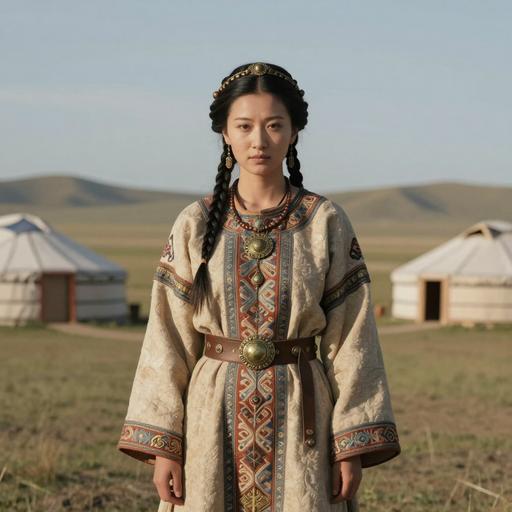
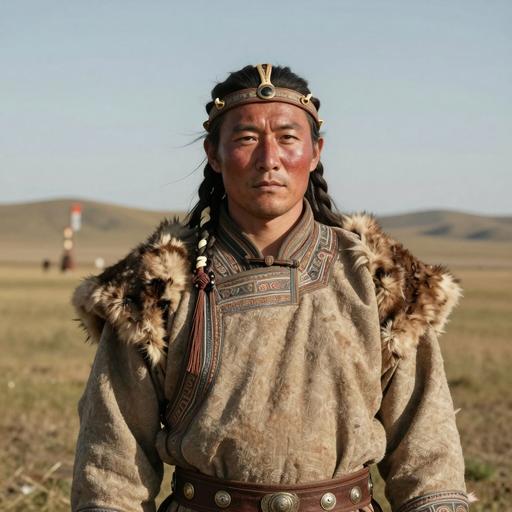
Portrait of ancient individual BUR004 from Mongolia, dated 40 BCE - 109 CE
BUR004
Mongolia Early Medieval Xiongnu 40 BCE - 109 CE Xiongnu G2a5 Direct
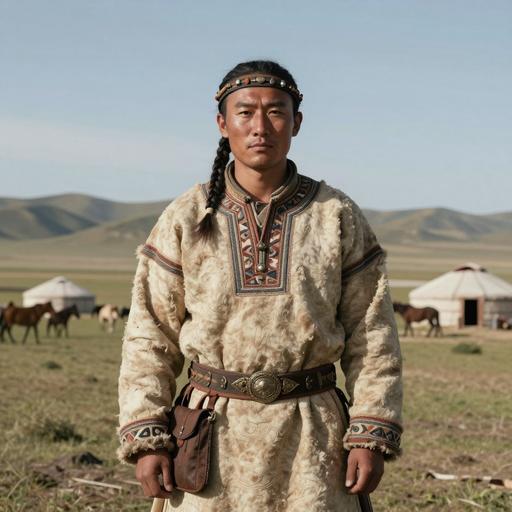
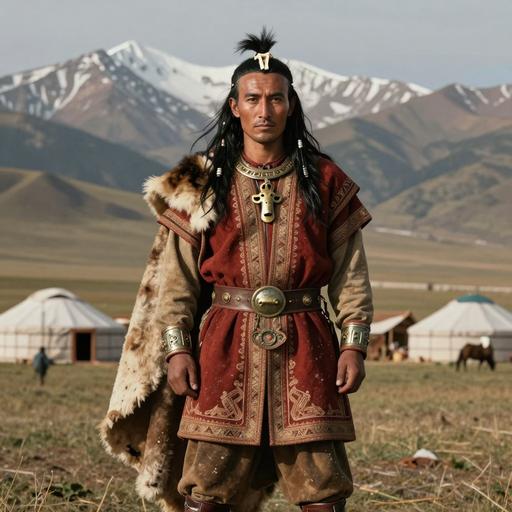
Portrait of ancient individual DCZ-M21II from China, dated 120 CE - 248 CE
DCZ-M21II
China Iron Age Upper Yellow River, China 120 CE - 248 CE Upper Yellow River Culture G2b1b Direct
Portrait of ancient individual DCZ-M21II from China, dated 120 CE - 248 CE
DCZ-M21II
China Han Dynasty China 120 CE - 248 CE G2b1b Direct
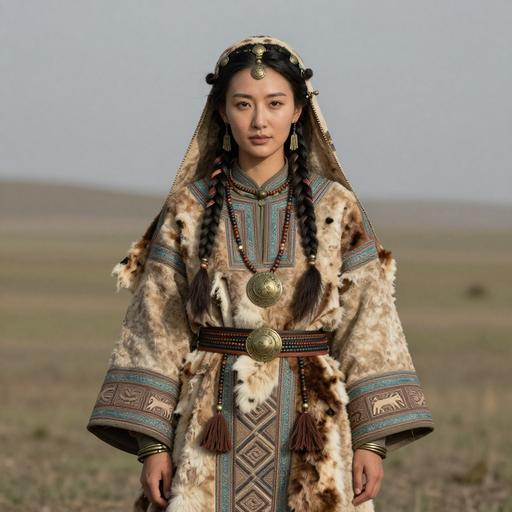
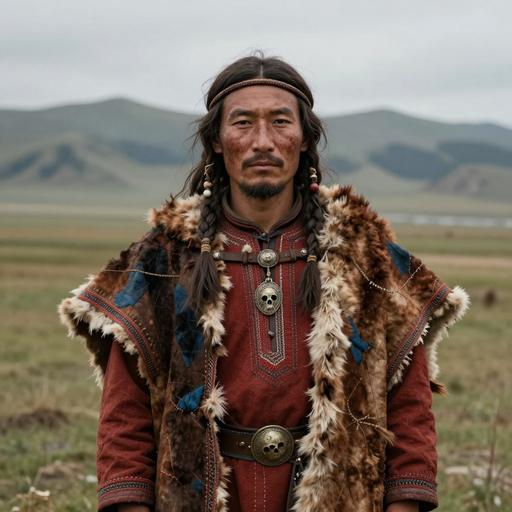
Portrait of ancient individual SKT006 from Mongolia, dated 162 BCE - 47 BCE
SKT006
Mongolia Xiongnu to Late Medieval Khuvsgul, Mongolia 162 BCE - 47 BCE Khuvsgul Transition G2a1e Direct
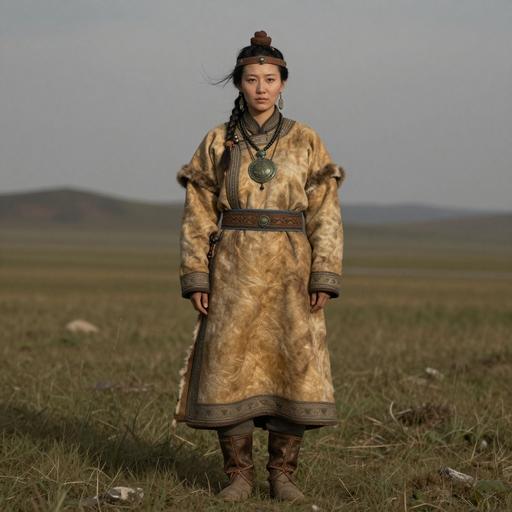
Portrait of ancient individual IMA004 from Russia, dated 200 BCE - 100 CE
IMA004
Russia Xiongnu Period Buryatia, Russia 200 BCE - 100 CE Xiongnu Buryat G2a-a Direct
Portrait of ancient individual TAK001 from Mongolia, dated 200 BCE - 100 CE
TAK001
Mongolia Xiongnu Period Khovd, Mongolia 200 BCE - 100 CE Xiongnu Khovd G2a1 Direct
Portrait of ancient individual UVG001 from Mongolia, dated 200 BCE - 100 CE
UVG001
Mongolia Xiongnu Period Bulgan, Mongolia 200 BCE - 100 CE Xiongnu G2a2 Direct
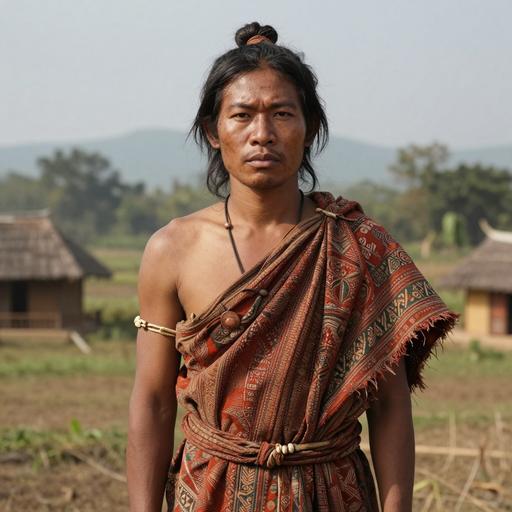
Portrait of ancient individual YPN018 from Thailand, dated 200 CE - 450 CE
YPN018
Thailand Yappa Nhae Log Coffin Culture Iron Age 200 CE - 450 CE Yappa Nhae G2b1a Direct
Portrait of ancient individual YPN023 from Thailand, dated 200 CE - 450 CE
YPN023
Thailand Yappa Nhae Log Coffin Culture Iron Age 200 CE - 450 CE Yappa Nhae G2b1a Direct
Portrait of ancient individual DA73 from Kyrgyzstan, dated 236 CE - 421 CE
DA73
Kyrgyzstan The Hun Period in Kyrgyzstan 236 CE - 421 CE Hunnic Period G2a1 Direct
Chapter VI

Carrier Distribution Map

Geographic distribution of 100 ancient DNA samples carrying haplogroup G1C1

Time Period Filter
All Time Periods
Showing all samples
Each marker represents an ancient individual
Chapter VII

Temporal Distribution

Distribution of carriers across archaeological periods

Chapter VIII

Geographic Distribution

Distribution of carriers by country of origin

Chapter IX

Country × Era Distribution

Cross-tabulation of carrier countries and archaeological periods

Data

Data & Provenance

Source information and data quality

Last Updated 2026-02-16
Confidence Score 50/100
Coverage Low
Data Source

We use the latest phylotree for MTDNA haplogroup classification and data.