The Story
The journey of mtDNA haplogroup G2A
Origins and Evolution
mtDNA haplogroup G2A is a downstream clade within haplogroup G2, itself part of the broader haplogroup G. Haplogroup G is an East/Northeast Asian lineage that diversified during the Upper Paleolithic; G2A is estimated to have branched off roughly ~20 thousand years ago (kya) in Northeast/East Asia. The phylogenetic position of G2A as a subclade of G2 indicates it shares deep maternal ancestry with other G2 sublineages but represents a distinctive maternal line that persisted in northern East Asian and Siberian populations.
Paleogenomic evidence and modern population surveys suggest that G2A emerged during Late Pleistocene hunting-gathering populations of Northeast Asia and subsequently persisted through the Holocene. Its survival and distribution reflect both long-term local continuity in high-latitude East Asia and later regional movements during the Neolithic and Bronze Age.
Subclades (if applicable)
G2A is itself a named subclade under the broader G2 branch. Published phylogenies of haplogroup G include additional G2 sublineages (e.g., G2b, G2c in some nomenclatures) that help resolve regional diversification; G2A represents one lineage within this G2 diversity. Where dense sequencing has been done, additional internal diversity within G2A is observed in modern and ancient samples from Siberia and Northeast Asia, reflecting localized differentiation over the Holocene.
Geographical Distribution
G2A is strongly associated with Northeast Asia and Siberia. Modern occurrences are highest in populations of northeastern China, the Korean peninsula, and indigenous Siberian groups (for example Yakut, Evenk, Nganasan, and Koryak). Secondary but notable frequencies are found in parts of Japan (including Ainu and some Ryukyuan groups), certain Mongolic populations (e.g., Buryat, Mongol), and at low to moderate frequencies in some Central Asian and highland East Asian groups. Rare, localized occurrences have been reported among circumpolar communities and in a small number of Native American samples, consistent with limited maternal line sharing between Beringian/Siberian groups and some ancestral American populations.
Ancient DNA (aDNA) evidence has identified G2A in multiple archaeological contexts across Northeast Asia and adjacent regions (several ancient samples have been reported), supporting a long-term regional presence from the Late Pleistocene through the Holocene.
Historical and Cultural Significance
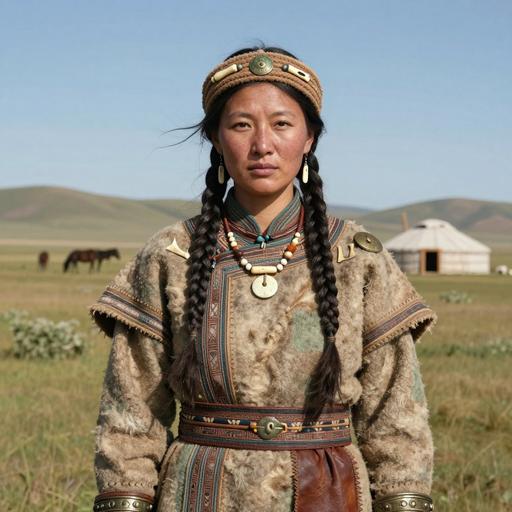
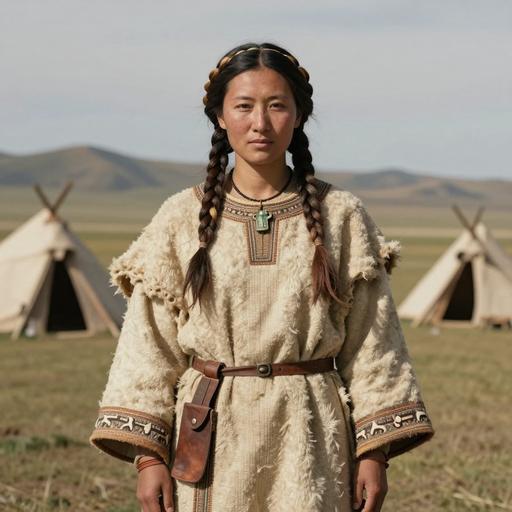
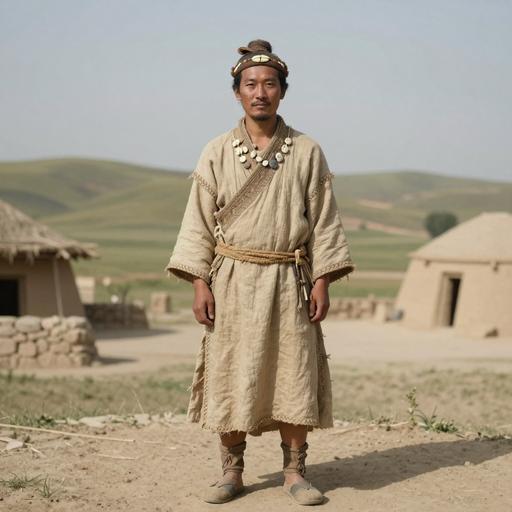
The distribution of G2A implies continuity between Upper Paleolithic/early Holocene hunter-gatherer populations of Northeast Asia and later regional cultures. In Japan, the presence of G2A among the Ainu and some Ryukyuan individuals and detection in archaeological Jomon-era remains link this lineage to early coastal and island populations of the archipelago. In the Amur River basin and adjacent parts of Siberia, G2A aligns with genetic signals seen in Neolithic and later hunter-fisher-forager groups (often summarized under terms such as the Amur Neolithic cultural horizon).
In Siberia and Mongolic regions, G2A co-occurs with other East Eurasian maternal lineages (for example haplogroups A, C, D, and Z) and is often found alongside paternal lineages typical of northern Eurasia (such as Y-haplogroup N). The pattern indicates G2A participated in both deep Paleolithic settlement and subsequent Holocene demographic events (localized continuity, some expansions, and contacts across Northeast Asia and into parts of Central Asia).
Conclusion
mtDNA haplogroup G2A is a distinctive Northeast/East Asian maternal lineage that originated in the Late Pleistocene and has persisted in northern East Asia and Siberia into the present. Its modern and ancient occurrences emphasize regional continuity among hunter-gatherer and later populations in Northeast Asia, with secondary spread into Japan, parts of Central Asia, and rare appearances among circumpolar peoples and in the Americas. Continued high-resolution mitogenome sequencing and expanded ancient DNA sampling will further refine the internal branching of G2A and clarify its finer-scale demographic history.
Key Points
- Origins and Evolution
- Subclades (if applicable)
- Geographical Distribution
- Historical and Cultural Significance
- Conclusion