The Story
The journey of mtDNA haplogroup G2A4
Origins and Evolution
Haplogroup G2A4 is a downstream branch of mtDNA haplogroup G2A, itself a lineage within haplogroup G that has deep roots in East and Northeast Asia. Based on its phylogenetic position and the geographic patterning of related lineages, G2A4 likely diversified in the Holocene (several thousand years after the Upper Paleolithic origin of G2A ~20 kya), probably associated with northeastern Asian coastal and riverine populations. The clade shows a geographic distribution consistent with local differentiation in populations of the Amur–Primorye region, adjacent parts of Siberia, and later dispersals into Japan and Central Asia.
Genetic surveys and the limited number of ancient DNA identifications (including one reported archaeological sample in the database referenced here) indicate that G2A4 is a relatively localized mtDNA branch with modest diversity compared with older G subclades. Its emergence likely reflects population continuity and local expansions of hunter-gatherer and early Holocene forager-fisher groups in northeastern Eurasia, with later small-scale movements carrying the lineage into neighboring regions.
Subclades
As a named subclade of G2A, G2A4 may contain further internal structure (regional sublineages) detectable with high-resolution sequencing. Where present, these sublineages tend to be geographically restricted, reflecting local founder effects and drift in small, often isolated populations (for example island populations in Japan, highland groups, or circumpolar communities). Continued sampling and full mitogenome sequencing in understudied populations will refine the internal branching of G2A4 and help define any named downstream subclades.
Geographical Distribution
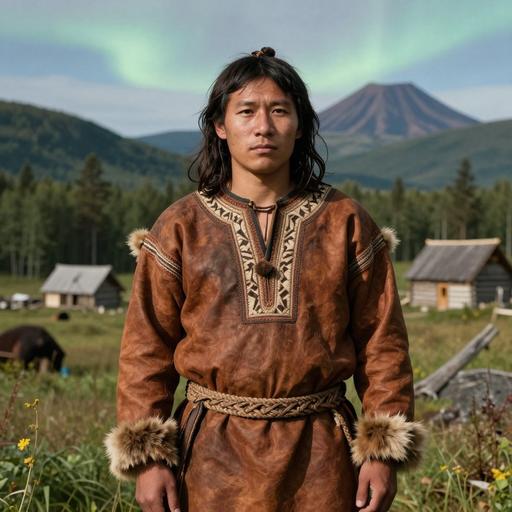
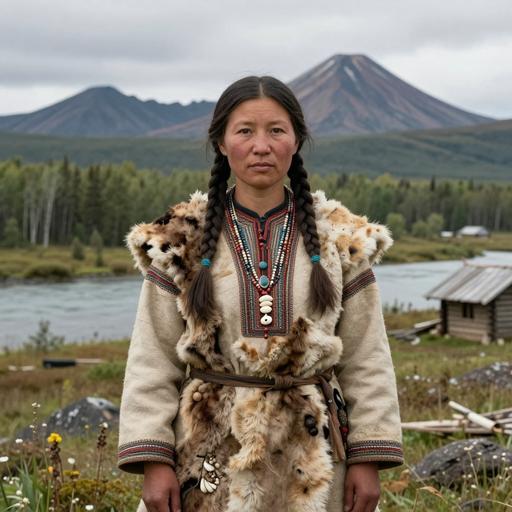
G2A4 is concentrated in Northeast Asia and adjacent Siberia, with measurable frequencies in several ethnolinguistic groups. The distribution pattern is consistent with an origin in northeastern East Asia and subsequent limited dispersal:
- Moderate presence among populations of the Amur/Primorye region and adjacent Siberian groups.
- Detectable but generally lower frequencies in Japan (including some Ainu and Ryukyuan groups) and on the Korean Peninsula and northeastern Chinese populations.
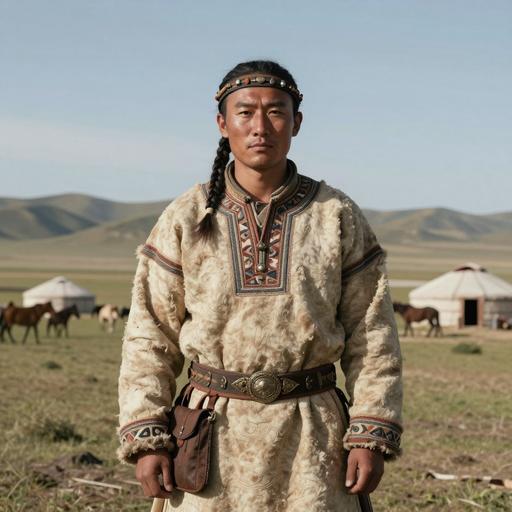
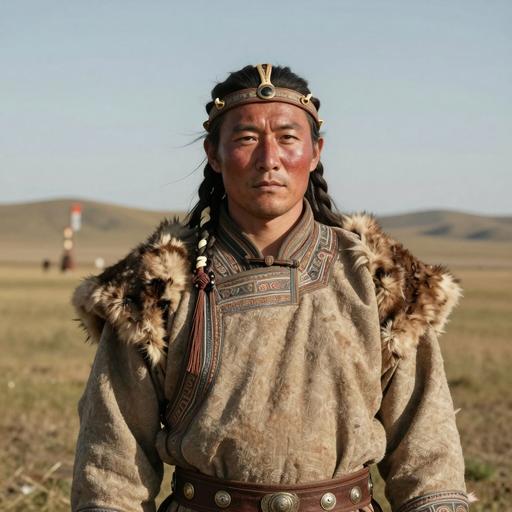
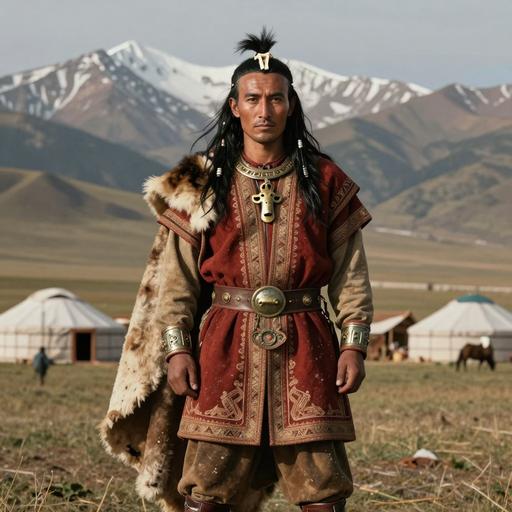
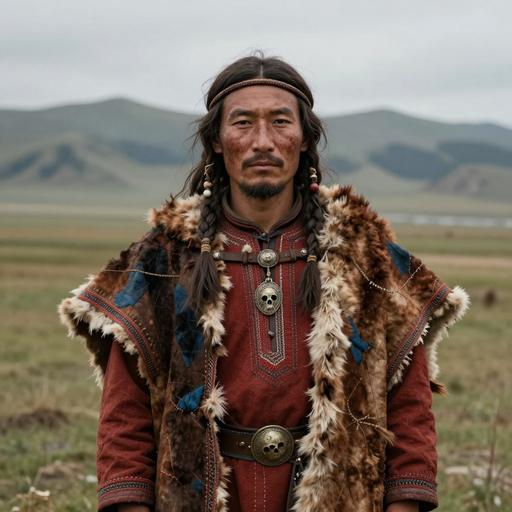
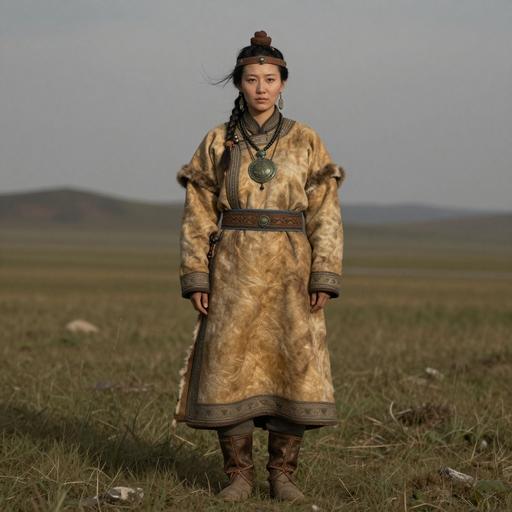
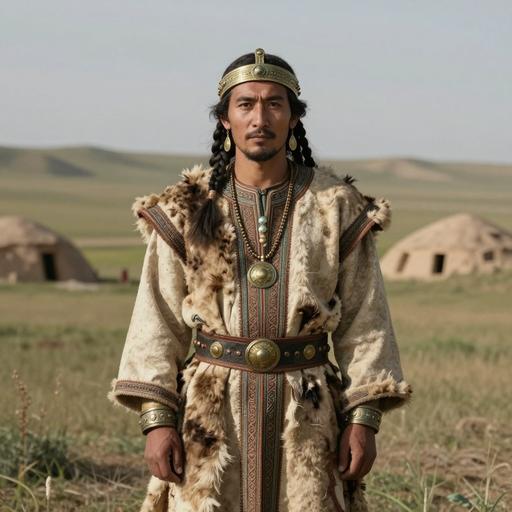
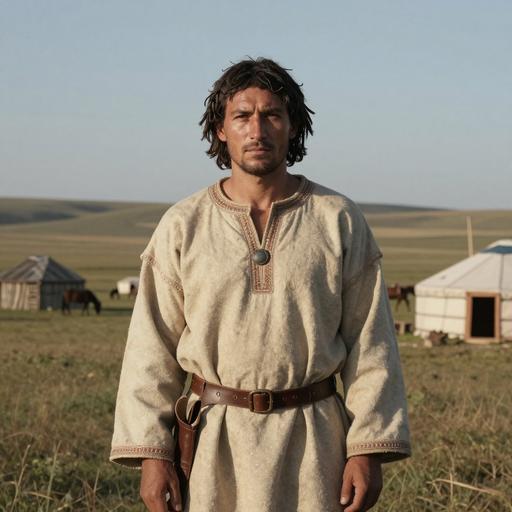
- Scattered occurrences in Mongolic and some Central Asian peoples (e.g., Buryat, Mongol) likely reflect historical gene flow across the steppe-edge and river corridors.
- Low-frequency, localized appearances among some circumpolar communities and rare reports in the Americas are compatible with episodic northward movements and, in some cases, late Holocene contacts.
Historical and Cultural Significance
Although not a marker of any single well-known archaeological mega-culture (like Yamnaya or Bell Beaker), G2A4 is informative for regional prehistory in northeastern Eurasia. It helps trace continuity of maternal lineages among Holocene hunter-gatherer and early Neolithic forager-fisher groups along the coasts and river systems of Northeast Asia, and it can illuminate episodes of contact between Siberian, Mongolic, and Japanese populations. Its presence in modern Ainu and some Ryukyuan samples, for instance, is consistent with contributions from pre-Yayoi Jōmon-era or nearby mainland source populations into the genetic makeup of insular Japan.
In population-genetic studies, G2A4 co-occurs with other East Asian and Siberian maternal lineages (such as clades of D and C) and with paternal lineages typical of northern Eurasia (e.g., Y‑DNA C2), making it useful as one component in multilocus reconstructions of migration and admixture.
Conclusion
mtDNA G2A4 is a regional maternal lineage that reflects Holocene diversification within the broader G2A clade in Northeast Asia and Siberia. Its moderate regional frequency, limited ancient occurrences so far, and geographic patterning indicate local differentiation with episodic dispersal into neighboring regions (Japan, Central Asia, and circumpolar zones). Expanded mitogenome sampling and additional ancient DNA recovery will further clarify its age, substructure, and role in northeastern Eurasian prehistory.
Key Points
- Origins and Evolution
- Subclades
- Geographical Distribution
- Historical and Cultural Significance
- Conclusion