Menu
mtDNA Haplogroup • Maternal Lineage

H5B8

mtDNA Haplogroup H5B8

~4,000 years ago
Southwest Eurasia (Near East / Mediterranean)
0 subclades
Scroll to explore
Chapter I

The Story

The journey of mtDNA haplogroup H5B8

Origins and Evolution

mtDNA haplogroup H5B8 is a terminal branch of the H5B lineage, itself a subclade of H5 (within macro-haplogroup H). H5 diversified in the early Holocene in Southwest Eurasia and H5B is estimated to have formed roughly in the early Holocene (~9 kya). H5B8 represents a later, more localized diversification within that broader H5B pool. Based on its phylogenetic placement and the distribution of related H5B lineages, H5B8 most plausibly arose in a Near Eastern/Anatolian–Mediterranean context during the mid‑to‑late Holocene (a few thousand years ago) and spread at low frequency into adjacent regions through trade, migration and small founder events.

Subclades

H5B8 is currently recognized as a terminal or near‑terminal subclade beneath H5B in published phylogenies and sequence databases. As a narrow downstream branch, H5B8 may contain a small number of private mutations that define its identity; additional finer substructure could be discovered as more complete mitochondrial genomes are sequenced from populations where it occurs. There are no widely reported, deeply nested subclades of H5B8 in the literature at present, which is consistent with either a relatively recent origin or undersampling in candidate source regions.

Geographical Distribution

H5B8 is found at low-to-moderate frequencies across the Mediterranean and adjacent regions. The highest densities of H5 and H5B lineages are in Southern Europe, the Near East, the Caucasus and North Africa; H5B8 follows a similar pattern but is generally rare. Modern population surveys and small numbers of ancient DNA hits indicate presence in:

  • Southern Europe (Italy, Greece and surrounding Mediterranean populations)
  • Western and parts of Eastern Europe at low levels
  • Anatolia and the Levant
  • The Caucasus
  • North Africa (Maghreb)

Two archaeological (ancient DNA) samples in available databases have been assigned to H5B or closely related lineages, indicating that members of this branch or its immediate relatives were present in the Holocene archaeological record in Southwest Eurasia.

Historical and Cultural Significance

Lineages of H, including H5 and H5B, are commonly associated with post‑glacial expansions and later Neolithic dispersals from Southwest Asia into Europe. H5B8's apparent geographic footprint suggests it was carried within populations involved in coastal Mediterranean interaction, local Bronze Age and Iron Age population movements, and later historical mobility (trade, colonization, and community fission events). Because H5B8 is relatively rare, its presence in a population frequently signals a localized founder effect or the persistence of an older Near Eastern maternal lineage within a regional community rather than a broad demographic replacement event.

Although H5 and some H5B branches appear in Bronze Age and later contexts across Europe, H5B8 does not presently show a clear exclusive association with a single archaeological culture (for example, Bell Beaker or Yamnaya) but is compatible with mixed signals from Neolithic farmer ancestry and subsequent Bronze/Iron Age regional dynamics. The small number of aDNA identifications highlights the need for more ancient mitogenomes to refine cultural associations.

Conclusion

H5B8 is best understood as a low-frequency, regionally distributed maternal lineage derived from H5B, reflecting the long history of gene flow and population substructure in Southwest Eurasia and the Mediterranean. Its study can add resolution to questions about local maternal ancestry, founder events, and the micro‑history of populations in the Near East, Caucasus and Mediterranean Europe, but further sampling and full mitogenome sequencing are required to resolve fine-scale phylogeography and timing more precisely.

Key Points

  • Origins and Evolution
  • Subclades
  • Geographical Distribution
  • Historical and Cultural Significance
  • Conclusion

Chapter II

Tree & Relationships

Phylogenetic context and subclades

Evolution Path
This haplogroup's evolutionary journey from its earliest ancestor to the present.

Steps Haplogroup Age Estimate Archaeology Era Time Passed Immediate Descendants Tested Modern Descendants Ancient Connections
1 H5B8 Current ~4,000 years ago 🔶 Bronze Age 4,000 years 0 0 0
2 H5B ~9,000 years ago 🌾 Neolithic 9,000 years 3 18 18
3 H5 ~12,000 years ago 🌾 Neolithic 12,000 years 21 424 23
4 H ~25,000 years ago 🦴 Paleolithic 25,000 years 9 6,551 991
5 HV ~30,000 years ago 🦴 Paleolithic 30,000 years 10 7,905 228
6 R ~60,000 years ago 🦴 Paleolithic 60,000 years 12 10,987 57
7 N ~60,000 years ago 🦴 Paleolithic 60,000 years 15 15,452 13
8 L3 ~70,000 years ago 🦴 Paleolithic 70,000 years 11 17,621 6
9 L ~160,000 years ago 🦴 Paleolithic 160,000 years 7 18,987 5

Subclades (0)

Terminal branch - no known subclades

Siblings (2)

Other branches from the same parent haplogroup

Chapter III

Where in the World

Geographic distribution and modern presence


Place of Origin

Southwest Eurasia (Near East / Mediterranean)

Modern Distribution

The populations where MTDNA haplogroup H5B8 is found include:

  1. Southern European populations (Italy, Greece and other Mediterranean coastal groups)
  2. Western European populations (France, Iberia at low to moderate levels)
  3. Eastern European and Balkan populations (Balkans, Poland, Ukraine at low levels)
  4. Near Eastern and Anatolian populations (Turkey, Levant)
  5. Caucasus populations (Armenia, Georgia, Azerbaijan)
  6. North African populations (Maghreb, at low frequencies)
  7. Jewish communities and diaspora groups (recorded at low frequencies in some Near Eastern Jewish lineages)
  8. Small frequencies on Mediterranean islands and parts of Central Asia
CHAPTER IV

When in Time

Your haplogroup in the context of human history

~10k years ago

Neolithic Revolution

Agriculture begins, settled communities form

~5k years ago

Bronze Age

Metalworking, writing, and early civilizations

~4k years ago

Haplogroup H5B8

Your mtDNA haplogroup emerged in Southwest Eurasia (Near East / Mediterranean)

Southwest Eurasia (Near East / Mediterranean)
~3k years ago

Iron Age

Iron tools, expanded trade networks

~2k years ago

Classical Antiquity

Greek and Roman civilizations flourish

Present

Present Day

Modern era

Your Haplogroup
Historical Era
Chapter IV-B

Linked Cultures

Ancient cultures associated with mtDNA haplogroup H5B8

Cultural Heritage

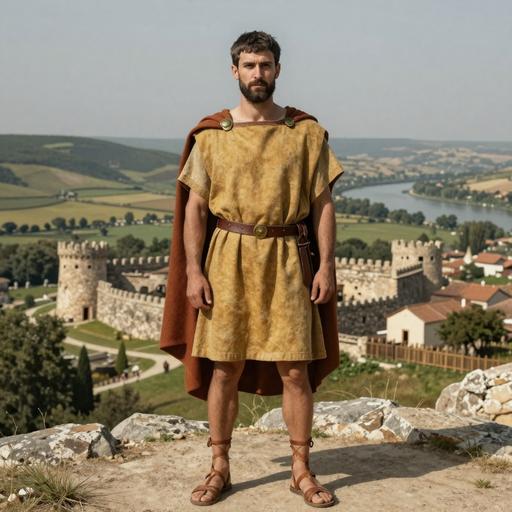
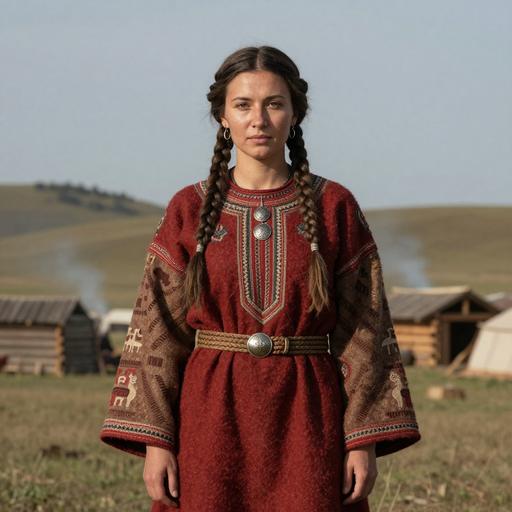
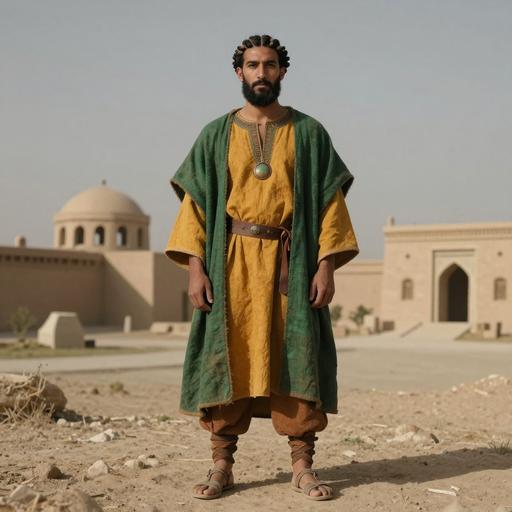
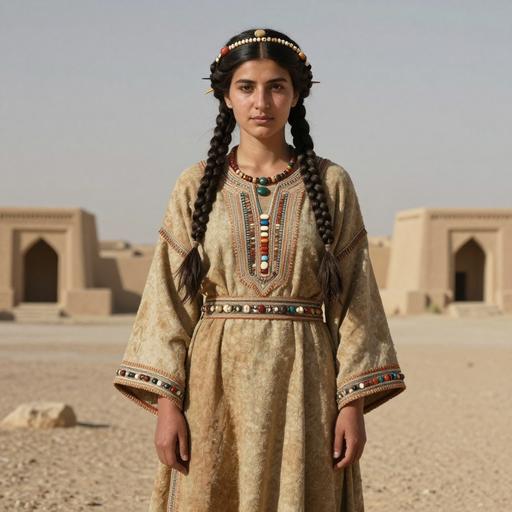
These ancient cultures have been linked to haplogroup H5B8 based on matching ancient DNA samples from archaeological excavations. The presence of this haplogroup in these cultures provides insights into the migrations and population movements of populations carrying this haplogroup.

Anglo-Saxon Bell Beaker Dutch Bronze Age Fatyanovo Gepid Körös Culture Lasinja Culture Linear Pottery Culture Magyar Commoner Culture Malak Preslavets Culture Scythian Srubnaya Culture Visigothic Culture
Culture assignments are based on archaeological context of ancient DNA samples and may represent regional associations during specific time periods.
Chapter V

Sample Catalog

Top 50 ancient DNA samples directly related to haplogroup H5B8 or parent clades

50 / 50 samples
Portrait Sample Country Era Date Culture mtDNA Match
Portrait of ancient individual R111 from Italy, dated 1 CE - 200 CE
R111
Italy Imperial Rome 1 CE - 200 CE Roman Empire H Direct
Portrait of ancient individual R113 from Italy, dated 1 CE - 200 CE
R113
Italy Imperial Rome 1 CE - 200 CE Roman Empire H26a1 Direct
Portrait of ancient individual R128 from Italy, dated 1 CE - 400 CE
R128
Italy Imperial Rome 1 CE - 400 CE Roman Empire HV-b Direct
Portrait of ancient individual R1543 from Italy, dated 1 CE - 400 CE
R1543
Italy Imperial Rome 1 CE - 400 CE Roman Empire H1e Direct
Portrait of ancient individual R1545 from Italy, dated 1 CE - 400 CE
R1545
Italy Imperial Rome 1 CE - 400 CE Roman Empire H8c Direct
Portrait of ancient individual R37 from Italy, dated 1 CE - 400 CE
R37
Italy Imperial Rome 1 CE - 400 CE Roman Empire HV Direct
Portrait of ancient individual R41 from Italy, dated 1 CE - 400 CE
R41
Italy Imperial Rome 1 CE - 400 CE Roman Empire H5a1 Direct
Portrait of ancient individual R43 from Italy, dated 1 CE - 400 CE
R43
Italy Imperial Rome 1 CE - 400 CE Roman Empire H7f Direct
Portrait of ancient individual R49 from Italy, dated 1 CE - 400 CE
R49
Italy Imperial Rome 1 CE - 400 CE Roman Empire H1u Direct
Portrait of ancient individual R75 from Italy, dated 1 CE - 200 CE
R75
Italy Imperial Rome 1 CE - 200 CE Roman Empire H14a Direct
Chapter VI

Carrier Distribution Map

Geographic distribution of 100 ancient DNA samples carrying haplogroup H5B8

Time Period Filter
All Time Periods
Showing all samples
Each marker represents an ancient individual
Chapter VII

Temporal Distribution

Distribution of carriers across archaeological periods

Chapter VIII

Geographic Distribution

Distribution of carriers by country of origin

Chapter IX

Country × Era Distribution

Cross-tabulation of carrier countries and archaeological periods

Data

Data & Provenance

Source information and data quality

Last Updated 2026-02-16
Confidence Score 50/100
Coverage Low
Data Source

We use the latest phylotree for MTDNA haplogroup classification and data.