The Story
The journey of mtDNA haplogroup HV
Origins and Evolution
Haplogroup HV derives from the major macro-haplogroup R and is best understood as a West Eurasian branch that formed during the Late Pleistocene (roughly the Upper Paleolithic). Estimates place the origin of HV at about ~25–35 kya, likely in the Near East or adjacent parts of Western Asia, a region that acted as a refugium and corridor between Southwest Asia, the Caucasus, and Ice Age Europe. From HV arose several important descendant lineages—most notably H and V—that later became prominent in Europe.
Over time HV diversified into internal branches (often labeled HV0, HV1, HV2, etc.) with differing geographic footprints; some lineages remained concentrated in the Near East and Caucasus, while others expanded into Europe during postglacial recolonizations and later demographic events.
Subclades
- H (mtDNA H): The largest and most widespread descendant of HV, H experienced a major expansion in Europe, particularly during the Late Paleolithic and Mesolithic and continuing into the Neolithic and later periods. H reaches high frequencies in many contemporary European populations.
- V (mtDNA V): A smaller branch derived from HV that is notable for elevated frequency in Northwest Europe and among some Saami and other circumarctic groups; V is often interpreted as a postglacial re-expansion lineage from southwestern refugia.
- Other HV sublineages (HV0, HV1, HV2, etc.): Several less common branches persist across the Near East, Caucasus, and parts of Europe and North Africa; some of these represent deep regional continuity while others reflect later movement and admixture.
Geographical Distribution
HV and its descendants show a classic West Eurasian distribution. Modern and ancient DNA studies indicate:
- Southern and Western Europe: High representation of descendant haplogroup H (derived from HV) and detectable HV lineages, reflecting both Paleolithic presence and later demographic expansions.
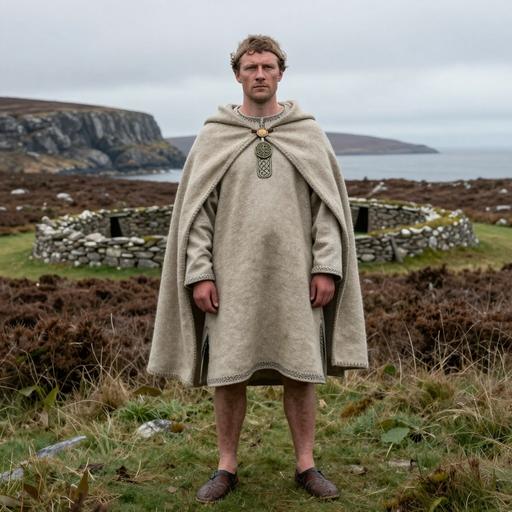
- Northern Europe and Scandinavia: Presence of V and some H subclades, with V particularly notable among Saami and certain Atlantic coastal populations, consistent with postglacial recolonization routes.
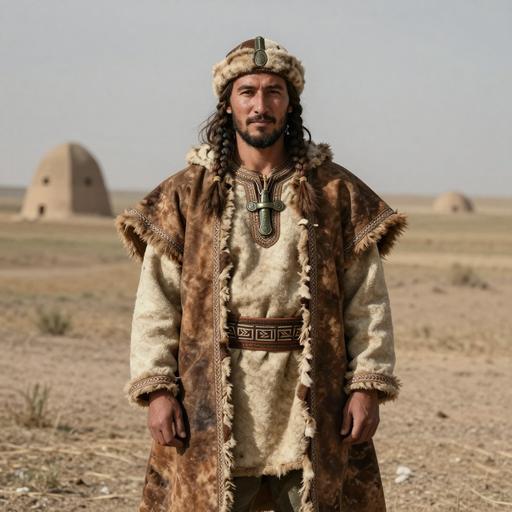
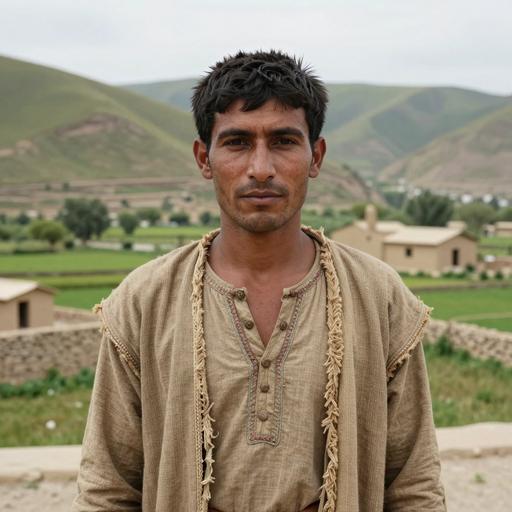
- Near East and Caucasus: Many basal HV and HV-derived lineages persist, indicating an origin or long-term presence in this region and acting as a source reservoir for later European dispersals.
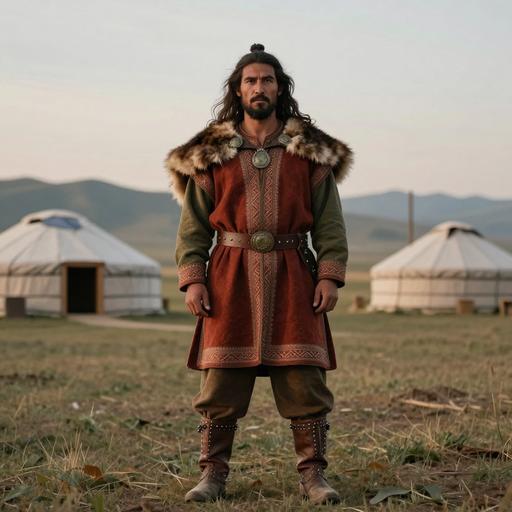
- North Africa and Central/South Asia: Low-frequency occurrences of HV lineages reflect prehistoric connections, trade, and episodic gene flow between West Eurasia and neighboring regions.
Ancient DNA has repeatedly recovered HV or its descendants in Upper Paleolithic, Mesolithic, and Neolithic contexts in Europe and the Near East, supporting a long-term role in Eurasian maternal ancestry.
Historical and Cultural Significance
Haplogroup HV (through its major daughter H) is central to discussions of European maternal ancestry. The expansion of H is often associated with postglacial recolonization of northern Europe and with major demographic shifts during the Mesolithic and Neolithic. Sublineage V has been used in studies of Uralic- and Saami-related histories because of its elevated frequencies in those groups.
HV-lineages appear in a variety of archaeological contexts — from Upper Paleolithic hunter-gatherers to Neolithic farming communities and Bronze Age cultures in Europe — making this haplogroup informative for reconstructing maternal lineage continuity, migration routes, and demographic events across West Eurasia.
Conclusion
mtDNA haplogroup HV is a pivotal West Eurasian lineage that links the broader R macro-haplogroup to the highly successful European haplogroups H and V. Its origin in the Near East/Western Asia during the Late Pleistocene and subsequent dispersal into Europe underpin much of the maternal genetic landscape of modern Europeans, while residual basal HV lineages preserve genetic signatures of ancient Near Eastern and Caucasian populations.
Key Points
- Origins and Evolution
- Subclades
- Geographical Distribution
- Historical and Cultural Significance
- Conclusion