The Story
The journey of mtDNA haplogroup J1C1B2
Origins and Evolution
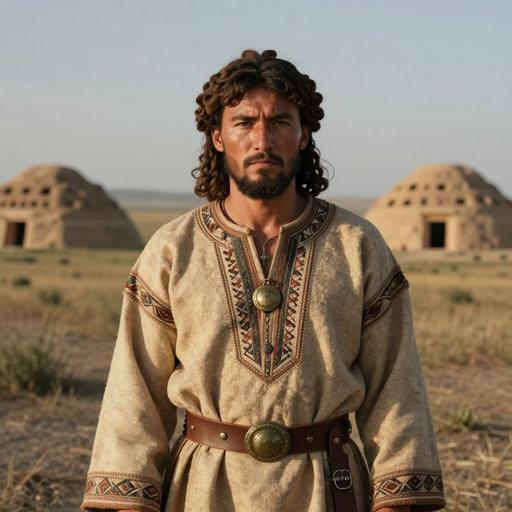
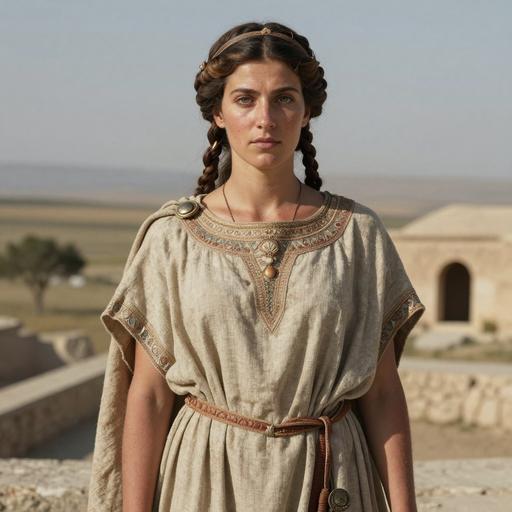
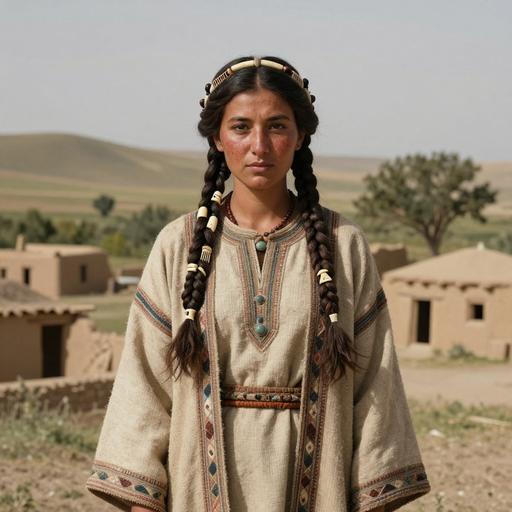
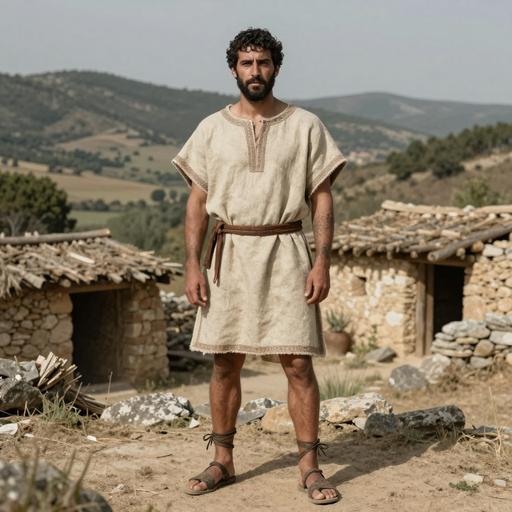
mtDNA haplogroup J1C1B2 is a subclade of J1C1B and therefore part of the broader J1C1 branch of haplogroup J. Based on the phylogenetic position of J1C1B and published time estimates for related lineages, J1C1B2 most likely formed in the later Holocene (Bronze Age timeframe) in the Near East or the Caucasus region as populations with Neolithic ancestry continued to diversify. As a downstream lineage, J1C1B2 carries a subset of the mutations diagnostic for J1C1B and additional private mutations that define the B2 subbranch.
Subclades (if applicable)
At present, J1C1B2 is treated as a defined subclade within J1C1B. Published and curated phylogenies and sequence databases show only a small number of samples assigned to this subclade, and further substructure may be revealed as more complete mitochondrial genomes are sequenced from the Mediterranean, Near East and adjacent regions. The limited available ancient DNA record currently includes a single archaeological sample assigned to this lineage, indicating it was present in at least one Bronze Age or later context in the regions where J1C1B is generally observed.
Geographical Distribution
The modern distribution of J1C1B2 mirrors the general footprint of its parent clade, with occurrences at low-to-moderate frequency in southern Europe (especially Mediterranean-facing populations), the Near East, parts of North Africa and the Caucasus. Sporadic detections in Central Asia and within some Jewish communities (both Ashkenazi and Sephardi) reflect historical migrations and long-distance gene flow across the Mediterranean and Near Eastern trade and migration routes. Because the clade is relatively rare, geographic inferences are best considered provisional and will improve as more full mitogenomes from undersampled regions are published.
Historical and Cultural Significance
Lineages like J1C1B2 are informative about maternal connections between the Near East/Caucasus and the Mediterranean from the Neolithic into the Bronze Age and later periods. The timing and geographic pattern are consistent with maternal lineages that were part of Neolithic farmer expansions followed by Bronze Age population movements, local differentiation, and later maritime and overland contacts (trade, colonization, and population movements). The presence of this lineage in some Jewish communities is consistent with well-documented Near Eastern maternal ancestry in those groups but does not imply exclusive association.
Conclusion
J1C1B2 is a modestly diversified downstream branch of J1C1B that appears to have arisen in the Near East/Caucasus in the later Holocene and persists today at low-to-moderate frequencies across the Mediterranean, Near East, North Africa and adjacent regions. Its rarity in modern datasets and limited ancient occurrences mean that continued mitogenome sequencing from both archaeological and present-day populations will be important to refine its phylogeny, geographic history and any finer-scale substructure.
Key Points
- Origins and Evolution
- Subclades (if applicable)
- Geographical Distribution
- Historical and Cultural Significance
- Conclusion