The Story
The journey of mtDNA haplogroup J1C3J
Origins and Evolution
mtDNA haplogroup J1C3J is a subclade of J1C3, itself nested within mitochondrial haplogroup J, a lineage that expanded widely from a Near Eastern/Caucasus core after the Last Glacial Maximum. As a derived branch of J1C3, J1C3J most likely arose during the Neolithic period (roughly around 7 thousand years ago, slightly younger than its parent clade) and represents one of several maternal lineages that participated in the movement of populations associated with the spread of agriculture and post‑glacial re-expansions across the Mediterranean basin, Europe and adjacent regions.
Because mtDNA accumulates changes relatively slowly, phylogenetic placement of J1C3J within published mtDNA trees indicates a Neolithic-era coalescence consistent with archaeological and ancient DNA records showing J‑lineage presence in early farming contexts of the Near East, Anatolia, the Balkans and southern Europe.
Subclades
As a specific terminal subclade, J1C3J may contain further downstream variation in high-resolution studies, but it is typically treated as a defined branch beneath J1C3 in current phylogenies. Where denser mitogenome sequencing has been performed, local substructure can appear reflecting regional founder events (for example island or coastal founder sublineages), but those deeper splits remain relatively rare and often localized. Continued mitogenome sequencing of ancient and modern samples is required to resolve any finer subclades within J1C3J.
Geographical Distribution
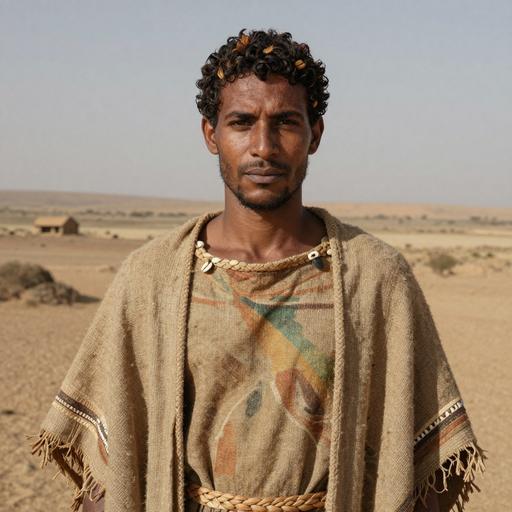
Modern occurrences of J1C3J are concentrated in the Near East and the Caucasus and are observed at low-to-moderate frequencies in southern and western Europe, parts of North Africa, and sporadically in Central Asia. The lineage is also reported among some Jewish communities (both Ashkenazi and Sephardi), consistent with historical Near Eastern links and later dispersals. In ancient DNA datasets, J1C3J (or close J1C3 derivatives) has been documented in Neolithic and later archaeological contexts (the database referenced contains 11 ancient occurrences), supporting a history of repeated local persistence and movement during the Neolithic and post‑Neolithic eras.
The distribution pattern is consistent with two principal dispersal mechanisms: (1) early Neolithic farmer expansions spreading from Anatolia/Levant into the Mediterranean and Europe, and (2) subsequent gene flow along coastal and inland trade or migration routes (including movements across the Mediterranean into North Africa and later historic-era mobility).
Historical and Cultural Significance
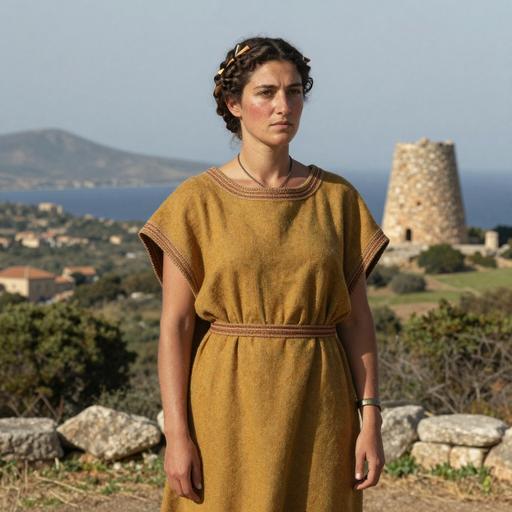
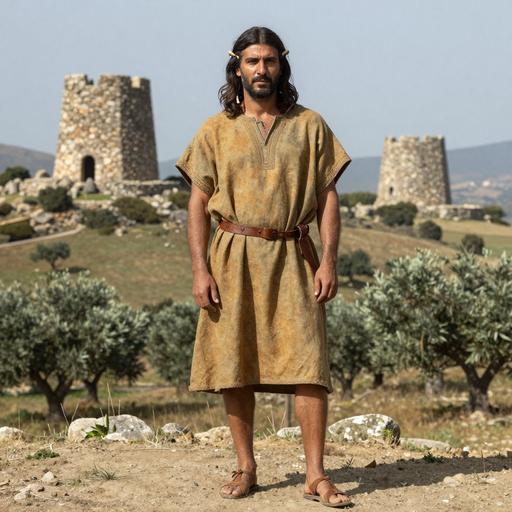
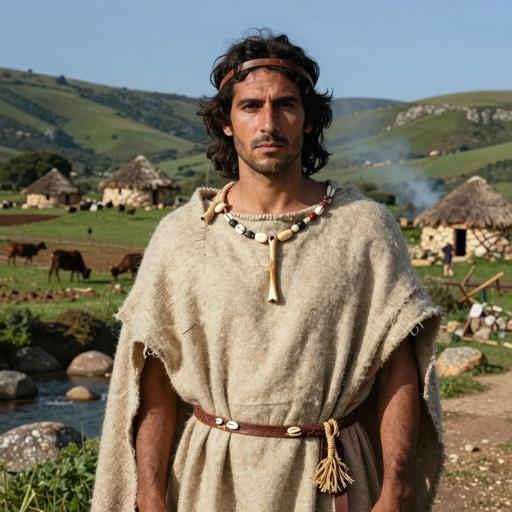
While mitochondrial lineages on their own do not define cultures, the presence of J1C3J in Neolithic contexts links it to the demographic processes that accompanied the spread of agriculture across the Near East into Europe. Where found in ancient burials associated with Early Neolithic, Cardial/Impressed Ware or later Mediterranean cultural complexes, J1C3J provides genetic evidence for maternal continuity or founder effects tied to these movements. Its detection in Jewish communities reflects both the Near Eastern origin of some maternal lines and later diasporic events.
J1C3J is not typically diagnostic of any single archaeological culture (it occurs across multiple cultural horizons), but its pattern of occurrence complements archaeological and genomic signals of Neolithic demic diffusion and subsequent regional differentiation.
Conclusion
mtDNA haplogroup J1C3J is a Neolithic‑era maternal sublineage of J1C3 that likely emerged in the Near East/Caucasus and spread into the Mediterranean, Europe and North Africa with early farmers and later migrations. It is observed at low to moderate frequencies today and appears in multiple ancient DNA contexts, making it a useful marker for tracing maternal contributions from Near Eastern sources into adjacent regions. Continued full mitogenome sampling in both modern and ancient populations will refine its internal structure and historical dynamics.
Key Points
- Origins and Evolution
- Subclades
- Geographical Distribution
- Historical and Cultural Significance
- Conclusion