The Story
The journey of mtDNA haplogroup L3X1
Origins and Evolution
mtDNA haplogroup L3X1 is a downstream branch of the broader L3X lineage, itself a regional derivative of macro-haplogroup L3, the African clade from which non-African maternal lineages ultimately derive. L3X likely arose in the Horn/East Africa during the Late Pleistocene (~55 kya for the parent L3X), with L3X1 representing a later split within that regional diversity. Based on phylogenetic position and comparative coalescence estimates, L3X1 plausibly coalesced in the Late Pleistocene to Last Glacial Maximum interval (order tens of thousands of years ago), and has since been maintained at low-to-moderate frequencies in eastern and northeastern African populations.
Subclades
L3X1 is one of the named subbranches stemming from L3X; detailed internal substructure of L3X1 remains sparsely sampled in publicly available datasets, so fine-scale subclades and their ages are less well resolved than for more common haplogroups. Continued targeted sequencing in Horn populations may reveal additional internal branches and refine age estimates. As with many rare African mtDNA lineages, singletons and small clusters in modern and ancient samples often document local persistence and periodic local expansions rather than continent-scale dispersals.
Geographical Distribution
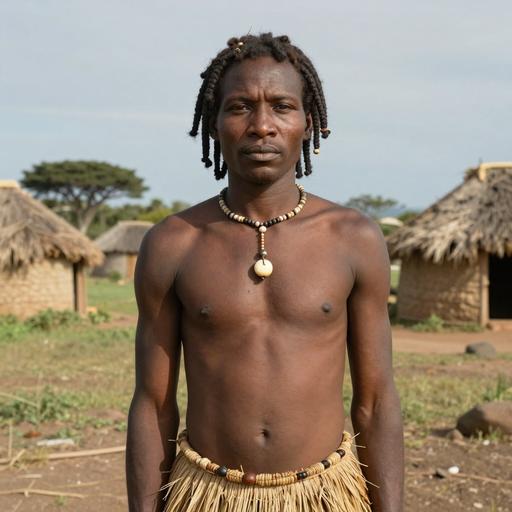
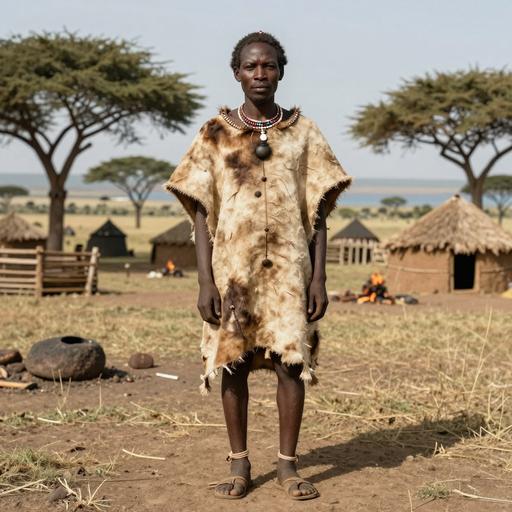
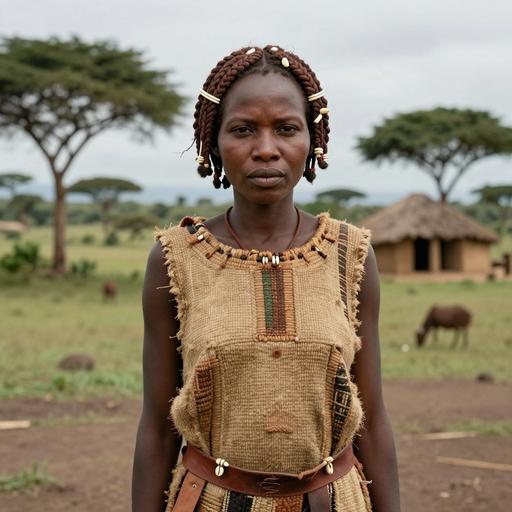
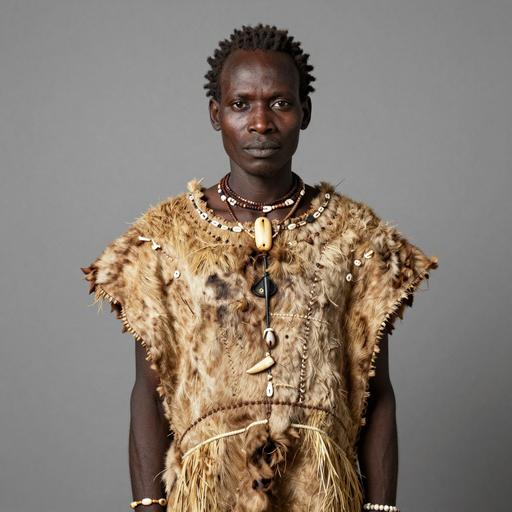
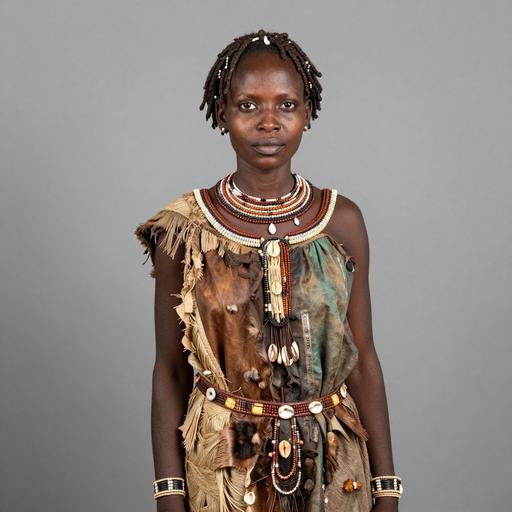
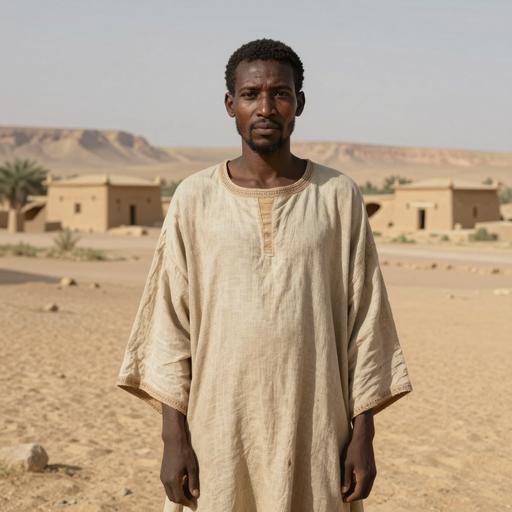
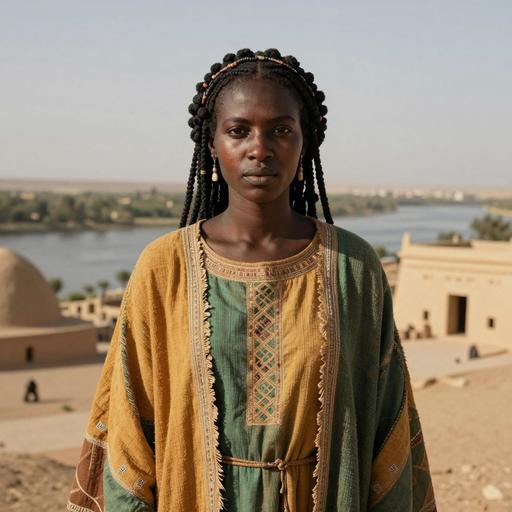
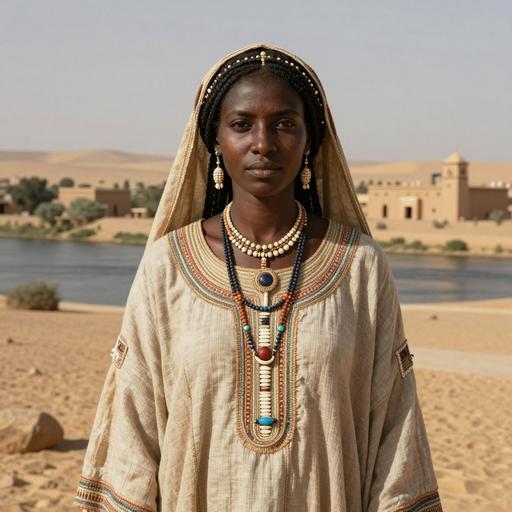
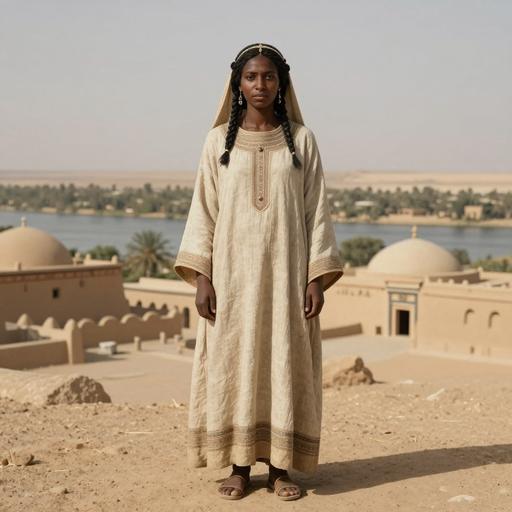
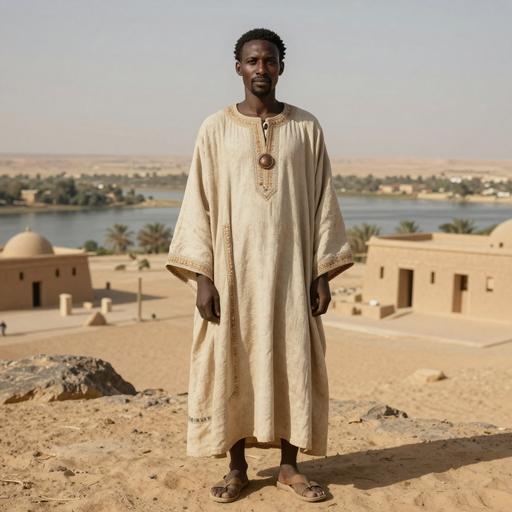
L3X1 is concentrated in the Horn of Africa and nearby Nile valley regions, occurring most frequently among Cushitic- and Semitic-speaking groups in Ethiopia, Eritrea, Somalia and adjacent Sudanese populations. Low-frequency occurrences have also been reported in North African and parts of the Arabian coastal zone, consistent with historic coastal contacts and Holocene backflow between northeast Africa and the Near East. The haplogroup appears in at least one published ancient DNA individual from the region, supporting continuity of this maternal lineage through some part of the Holocene in northeastern Africa.
Historical and Cultural Significance
While L3X1 itself is not tied to any single archaeological culture in the way that some Eurasian Y- or mtDNA lineages are, its distribution and age make it informative for reconstructing population structure in the Horn and Nile valley across the Late Pleistocene and Holocene. The lineage likely persisted through major regional transitions — including the spread of food production and pastoralism in eastern Africa (Pastoral Neolithic), later Cushitic and Ethiosemitic language expansions, and historical trade networks in the Red Sea and Nile corridor (including the Aksumite period). Observed low-to-moderate frequencies and localization suggest persistence of ancient maternal diversity combined with localized Holocene demographic events (e.g., pastoral expansions, trade-related gene flow) that redistributed some maternal lineages.
Conclusion
L3X1 is a regionally informative maternal lineage for the Horn of Africa and adjacent Nile valley, reflecting deep Late Pleistocene roots within L3X and continued local presence into the Holocene. Because it is relatively rare and under-sampled, L3X1 highlights the importance of denser mtDNA sequencing in northeastern Africa to clarify internal structure, refine age estimates, and better trace prehistoric and historic maternal gene flow in this key crossroads between Africa and the Near East.
Key Points
- Origins and Evolution
- Subclades
- Geographical Distribution
- Historical and Cultural Significance
- Conclusion