The Story
The journey of mtDNA haplogroup L3X2
Origins and Evolution
mtDNA haplogroup L3X2 is a subclade of the L3X branch of macro-haplogroup L3. Macro-haplogroup L3 originated in East Africa and is the maternal lineage from which non-African haplogroups M and N descend; L3X represents a deeply rooted, regional East African branch. Based on phylogenetic position within L3X and comparative coalescent estimates for related L3 subclades, L3X2 most plausibly arose in the Horn/East Africa during the Late Pleistocene to early Upper Paleolithic (on the order of tens of thousands of years ago). Its time depth is younger than the parent L3X node (commonly estimated around the mid-Upper Pleistocene) and reflects long-term local diversification in northeastern Africa.
Subclades (if applicable)
L3X2 appears as an intermediate subclade within the L3X topology. Published population surveys and regional sequencing efforts report a handful of private branches and minor downstream lineages within L3X2 in the Horn of Africa, but the internal structure remains incompletely resolved because sample sizes are modest and sampling is uneven across ethnic groups. As more complete mitogenomes from the Horn and adjacent regions are published, the finer-grained substructure of L3X2 (named sublineages such as L3X2a/2b in some datasets) may become better defined.
Geographical Distribution
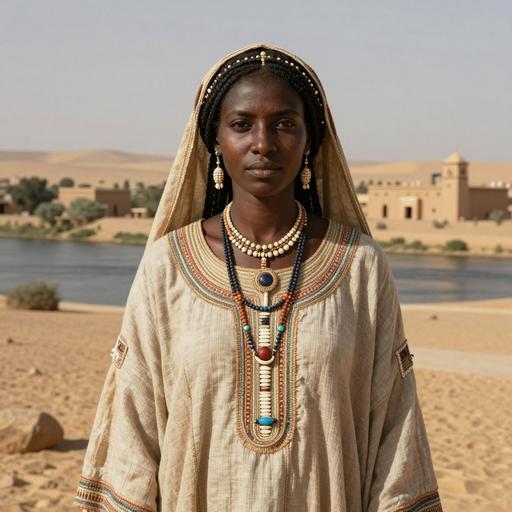
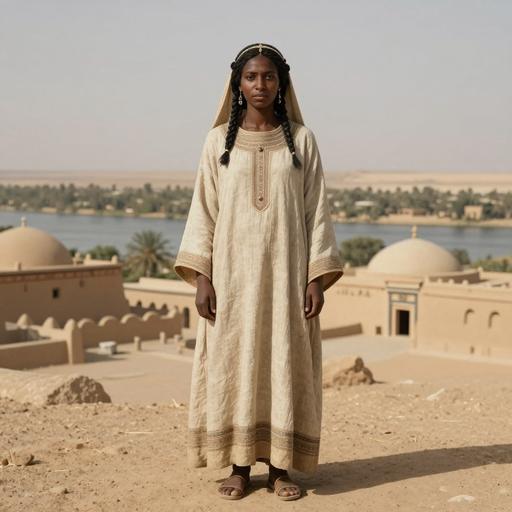
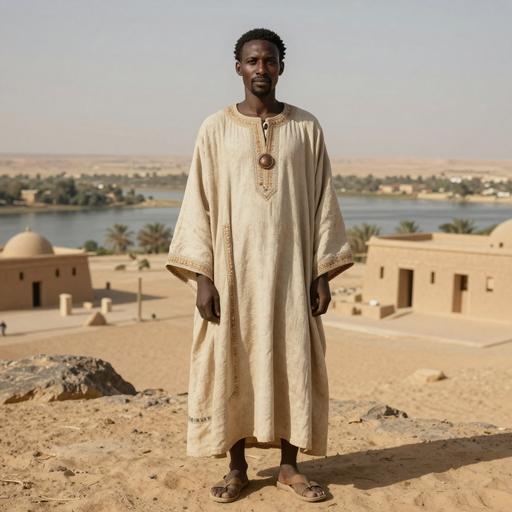
L3X2 is principally an East African/Horn lineage. Modern occurrence is concentrated in Ethiopia, Eritrea, Somalia and adjacent Nile Valley groups in Sudan, with sporadic, low-frequency occurrences reported further afield (North African and Middle Eastern coastal populations) likely attributable to historic backflow, trade, and migration. Within the Horn it is not typically the dominant mtDNA lineage but contributes to the regional mosaic of East African maternal diversity, coexisting with other L-haplogroups (e.g., L0a, L2, other L3 subclades) that reflect both deep resident ancestry and Holocene demographic processes.
Historical and Cultural Significance
L3X2's distribution and antiquity make it informative for reconstructing maternal continuity in the Horn and northeastern Africa. Its presence among a range of ethnic groups (including highland agriculturalists and lowland pastoralists) suggests an origin predating many ethnolinguistic differentiations in the region. During the Holocene, pastoralist expansions, the development of Nile Valley and Red Sea trade networks, and later historic movements (including the spread of Cushitic- and Semitic-speaking communities and contacts with North Africa and the Arabian Peninsula) likely contributed to the present-day patchy distribution of L3X2 outside its East African core. The haplogroup therefore serves as a marker of deep local ancestry and as a tracer for subsequent, more recent admixture and contact events.
Conclusion
Although rare in global terms, L3X2 is a meaningful component of Horn of Africa maternal genetic heritage. It highlights the long-term persistence and local diversification of L3-derived lineages in northeastern Africa and is valuable for studies of regional population structure, prehistoric demography, and the genetic impacts of Holocene-era cultural and migratory processes. Continued mitogenome sequencing across understudied Horn populations will refine the phylogeny and improve estimates for the timing and routes of L3X2 dispersal.
Key Points
- Origins and Evolution
- Subclades (if applicable)
- Geographical Distribution
- Historical and Cultural Significance
- Conclusion