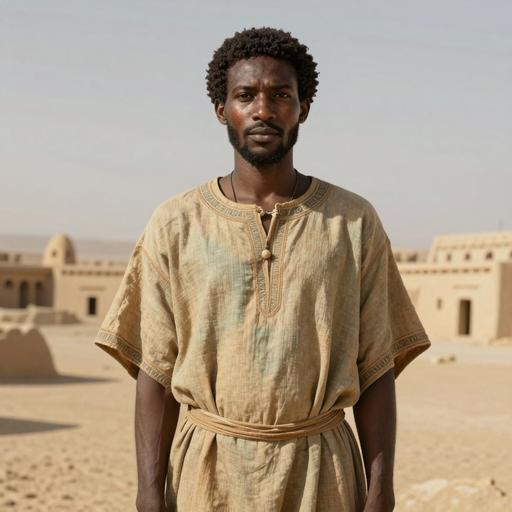
The Story
The journey of mtDNA haplogroup L4B2
Origins and Evolution
mtDNA haplogroup L4B2 is a downstream branch of haplogroup L4B, itself nested within the East African macro-haplogroup L4. L4 as a whole has deep roots in East Africa dating to the Late Pleistocene (~40 kya for the broader L4 clade). L4B2 represents a more recent split within L4B that likely arose in the early Holocene (estimates ~10–15 kya), reflecting localized maternal lineages that persisted and diversified among East African hunter-gatherer and early pastoralist groups. As an intermediate clade, L4B2 helps connect the older L4 diversity to later, regionally restricted daughter lineages.
Subclades (if applicable)
L4B2 sits beneath L4B in the phylogenetic tree. Where high-resolution sequencing has been performed, L4B2 may be further divided into minor subbranches with very localized distributions; however, compared with major African haplogroups (e.g., L0, L2, L3) the internal substructure of L4B2 is relatively limited and often undersampled. Continued mitogenome sequencing in East African populations occasionally reveals private or regionally restricted subclades derived from L4B2, reflecting small-scale maternal lineage diversification.
Geographical Distribution
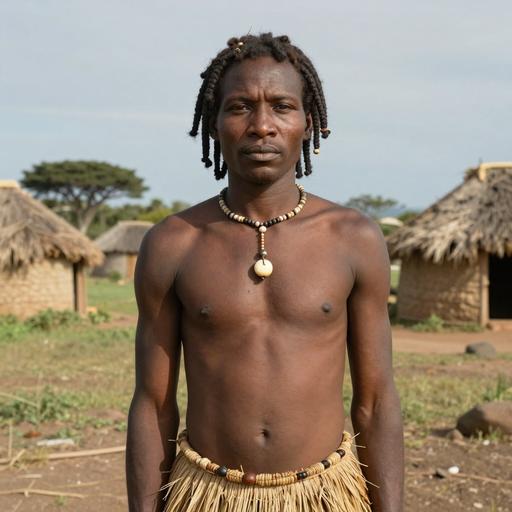
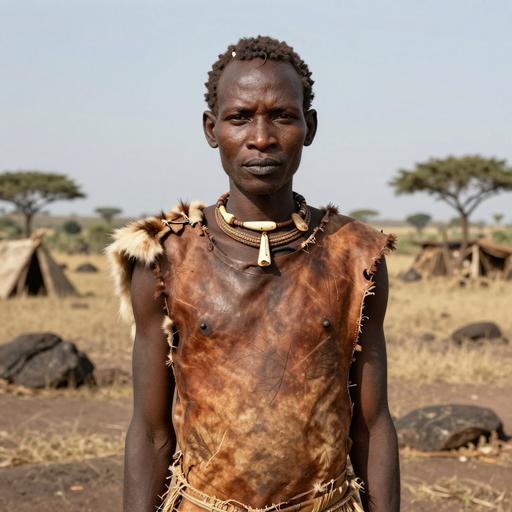
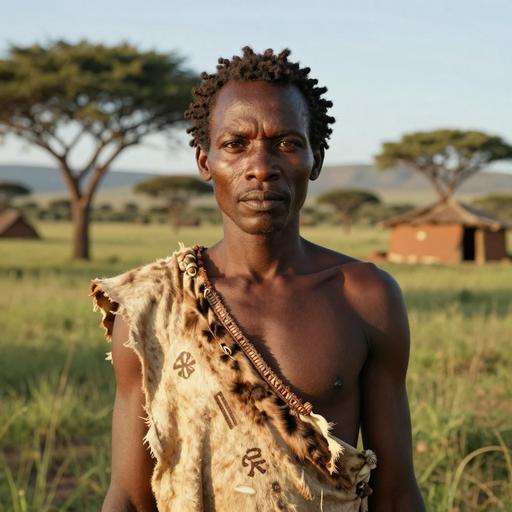
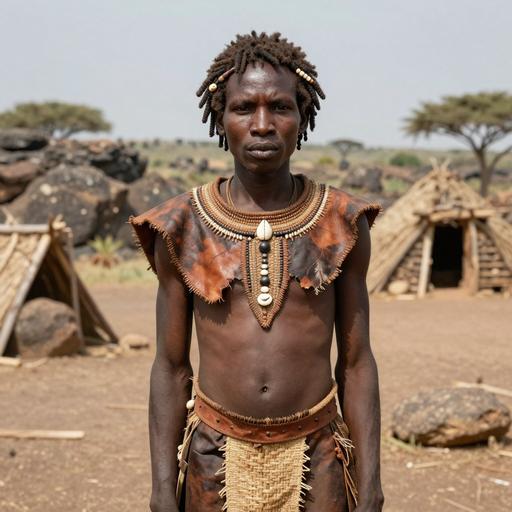
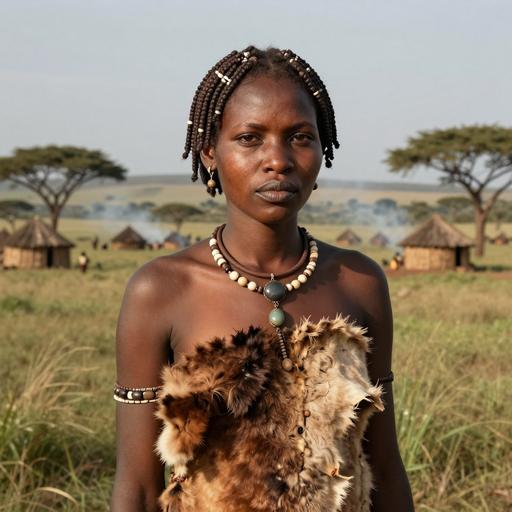
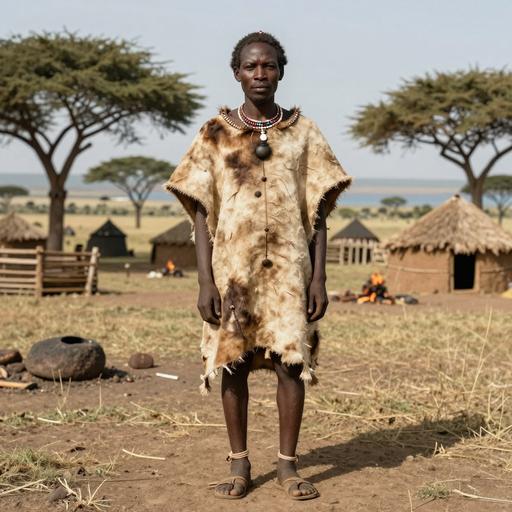
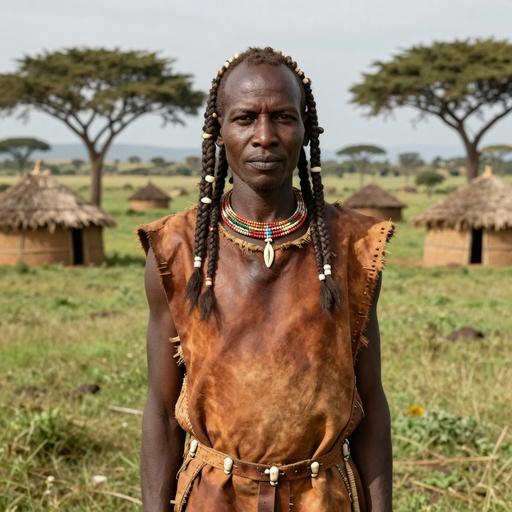
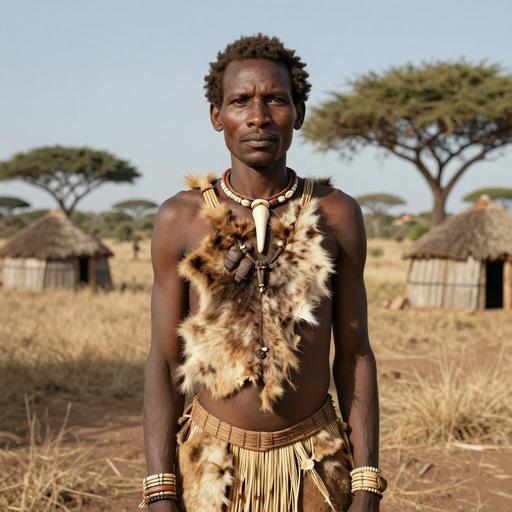
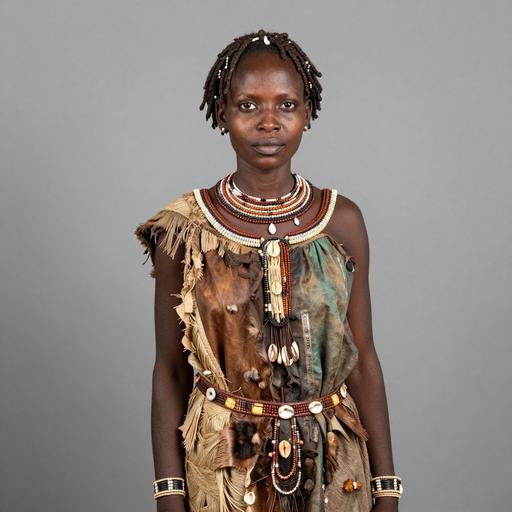
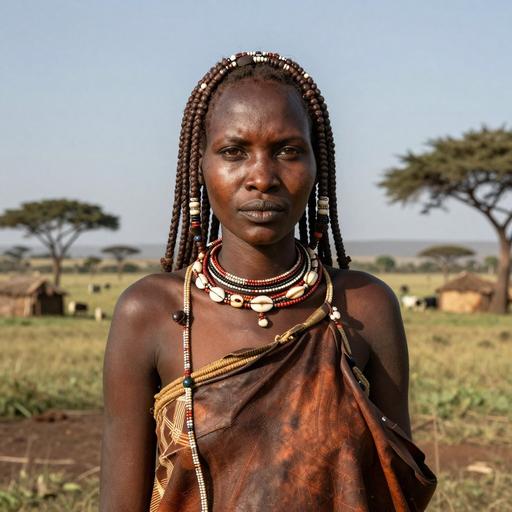
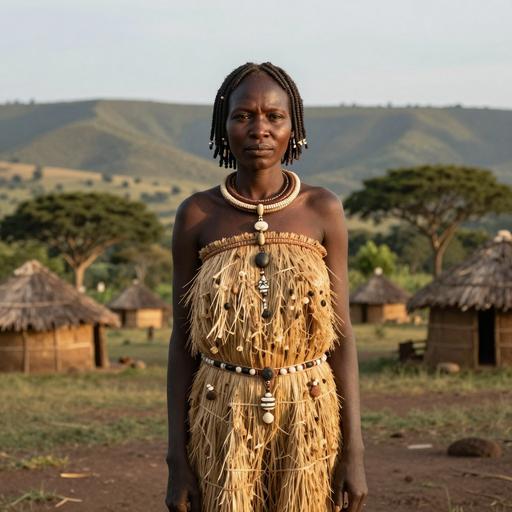
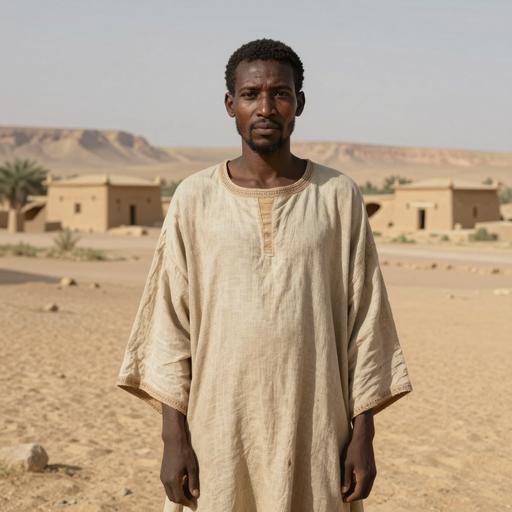
The highest frequencies and diversity of L4B2 are found in East Africa and the Horn of Africa, particularly among groups in Tanzania (e.g., Hadza and Sandawe) and several Horn populations (Oromo, Amhara, Somali). L4B2 is also observed among some Nile corridor and northeastern African groups (Sudanese, Nubian populations) and in several Kenyan pastoralist and hunter-gatherer communities. Outside Africa, L4B2 occurs at low frequencies in North Africa and the southern Arabian Peninsula—likely reflecting prehistoric contacts across the Red Sea—and in the Americas and the Caribbean as a result of the transatlantic slave trade and later diaspora movements. Overall, the distribution is strongly centered on East Africa with fragmented low-frequency presences elsewhere.
Historical and Cultural Significance
L4B2 is most informative for reconstructing local maternal continuity in eastern Africa. Its concentration in forager groups (Hadza, Sandawe) and in some pastoralist communities suggests it survived through transitions from foraging to pastoralism without a complete demographic replacement. The haplogroup therefore contributes to genetic evidence for deep regional continuity among East African populations, even where cultural changes (adoption of pastoralism, agriculture, and later language shifts) occurred. Low-frequency occurrences outside Africa document both prehistoric contact across the Red Sea and the more recent forced and voluntary movements that created the African diaspora.
Conclusion
L4B2 is an East African, Holocene-age maternal lineage that provides a window onto regional demographic processes in the Horn and adjacent areas. It is less cosmopolitan than some other African haplogroups, showing localized diversity in forager and pastoralist groups, and its presence outside Africa is sparse and historically interpretable. Greater mitogenome sampling across East Africa will continue to refine the topology, age estimates, and microgeographic structure of L4B2 and its subclades.
Key Points
- Origins and Evolution
- Subclades (if applicable)
- Geographical Distribution
- Historical and Cultural Significance
- Conclusion