The Story
The journey of mtDNA haplogroup L4B2A
Origins and Evolution
mtDNA haplogroup L4B2A is a downstream lineage of L4B2, itself a branch of the broader African haplogroup L4. Based on the phylogenetic position beneath L4B2 and the known age estimate for L4B2 (early Holocene, ~12 kya), L4B2A most plausibly diversified in the Horn of Africa or nearby East African regions during the early to mid-Holocene (roughly 8 kya, with uncertainty of a few thousand years). The lineage reflects localized maternal continuity within populations that practiced hunting‑gathering and, later, pastoralism and small‑scale food production in eastern Africa.
Mutational differences that define L4B2A occur on top of the diagnostic mutations of L4 and L4B2; as with many African mtDNA subclades, its internal branching pattern is expected to be shallow compared with older macro-haplogroups, indicating relatively recent regional diversification after the Last Glacial Maximum and into the Holocene climatic amelioration.
Subclades (if applicable)
As a named subclade of L4B2, L4B2A may have internal diversity (further sublineages) detectable with full mitogenome sequencing, but current published and public database records indicate it is a relatively rare and localized lineage. Where additional downstream subclades have been reported, they typically show extremely low frequencies and limited geographic spread, consistent with drift and founder effects in small pastoralist or hunter‑gatherer groups.
Geographical Distribution
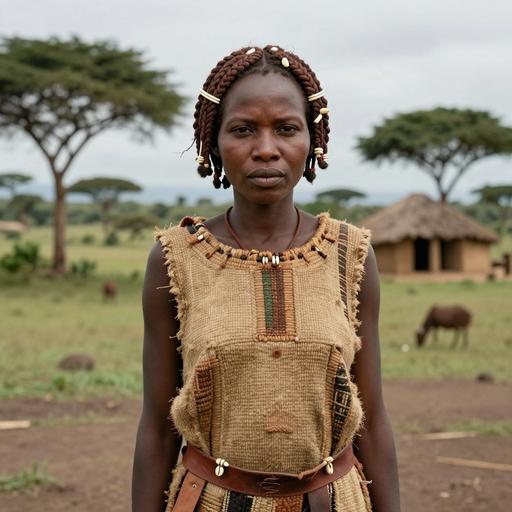
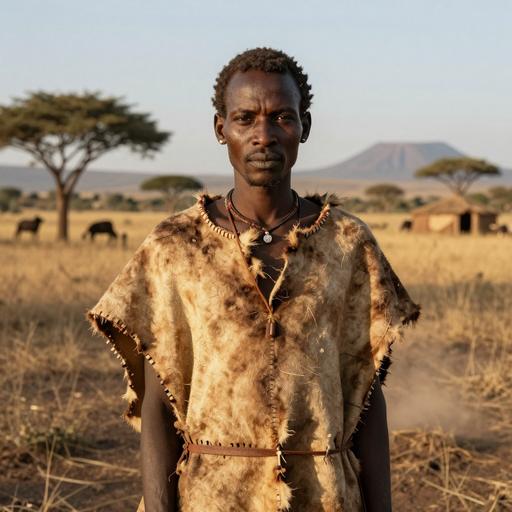
L4B2A is concentrated in eastern Africa with the highest frequencies reported in the Horn of Africa and parts of Tanzania and Kenya. It occurs at appreciable rates among certain hunter‑gatherer groups (e.g., Hadza, Sandawe) and among Horn populations (e.g., Oromo, Amhara, Somali), and is present at lower frequencies in neighboring Sudanese and Nubian groups. Low-frequency occurrences have been documented in the southern Arabian Peninsula and within the African diaspora in the Americas and Caribbean, reflecting historical movements and recent gene flow.
Ancient DNA evidence for L4B2-type lineages is sparse but present; the identification of L4B2-related mitotypes in at least two archaeological samples supports a Holocene presence in the region and continuity with some modern East African maternal lineages.
Historical and Cultural Significance
The distribution of L4B2A aligns with populations historically associated with Later Stone Age foraging and, later, pastoralist adaptations in East Africa. Its presence among both hunter‑gatherer groups (Hadza, Sandawe) and pastoralist/agropastoral communities in the Horn suggests either deep shared maternal ancestry predating some cultural shifts or gene flow between neighbouring groups during the Holocene.
Although not tied to large, long‑range migrations in the way some Eurasian haplogroups are, L4B2A documents local maternal continuity and micro‑demographic processes (founder effects, drift, and localized expansions) that shaped East African genetic diversity. Low-frequency findings in the Arabian Peninsula likely reflect Holocene contacts across the Red Sea, while occurrences in the diaspora reflect historic transatlantic movements.
Conclusion
L4B2A is a localized East African maternal lineage that illustrates the complex interplay of continuity and change in Holocene populations of the Horn and surrounding regions. Its rarity outside eastern Africa and its occurrence in both foraging and pastoral groups make it a useful marker for studies of regional population structure, local migrations, and the maternal genetic landscape of East Africa during the Holocene.
Key Points
- Origins and Evolution
- Subclades (if applicable)
- Geographical Distribution
- Historical and Cultural Significance
- Conclusion