The Story
The journey of mtDNA haplogroup M10
Origins and Evolution
mtDNA haplogroup M10 is a primary branch of macro-haplogroup M, which diversified rapidly across Eurasia after the initial expansion of modern humans out of Africa. M10 likely coalesced in Central to Northeastern Asia during the late Upper Paleolithic (roughly 20–30 thousand years ago), arising from an early Asian lineage of M. Its phylogenetic position places it among the East Asian/Siberian M-derived clades (alongside clades such as D, G, C and Z), and its internal diversity suggests a long-standing presence in northern East Asia with later dispersals tied to demographic processes on the Eurasian steppe and high plateaus.
Subclades (if applicable)
Several downstream subclades and distinct haplotypes of M10 have been reported in population studies, with regional differentiation visible between northern (Siberian/Mongolic) and highland (Tibetan) lineages. Subclades tend to show geographic structuring rather than cosmopolitan spread, indicating local expansions and drift in isolated populations. Specific subclade nomenclature and SNP-definitions continue to be refined as more complete mitogenomes are sequenced.
Geographical Distribution
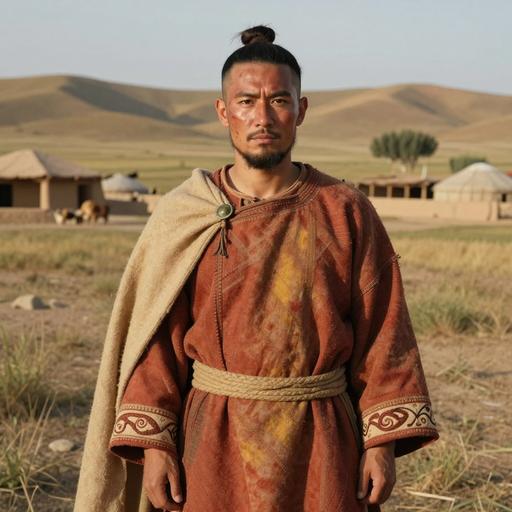
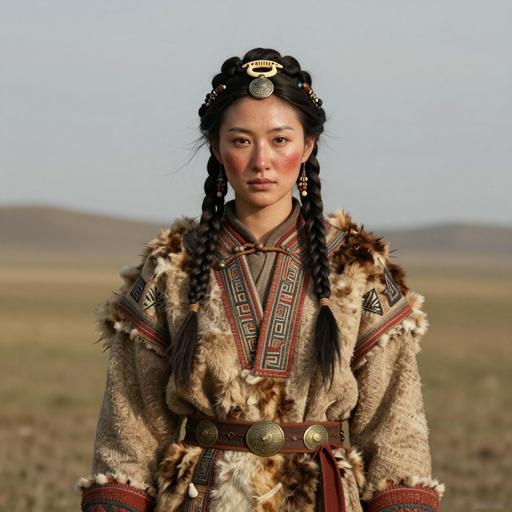
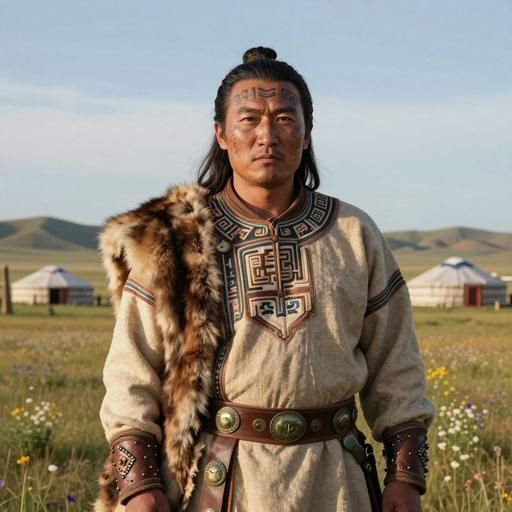
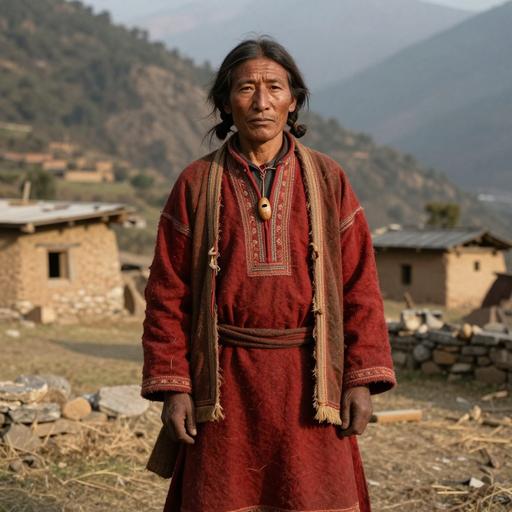
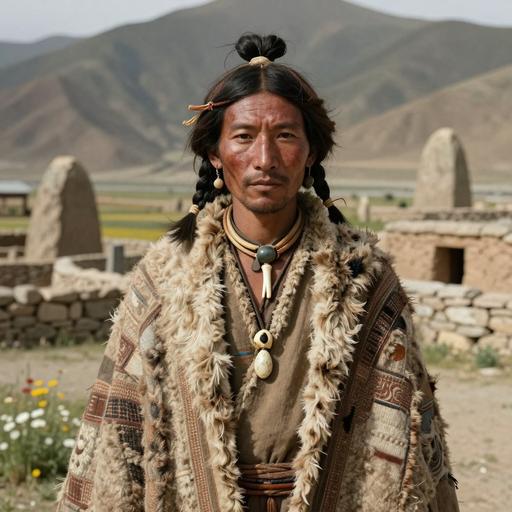
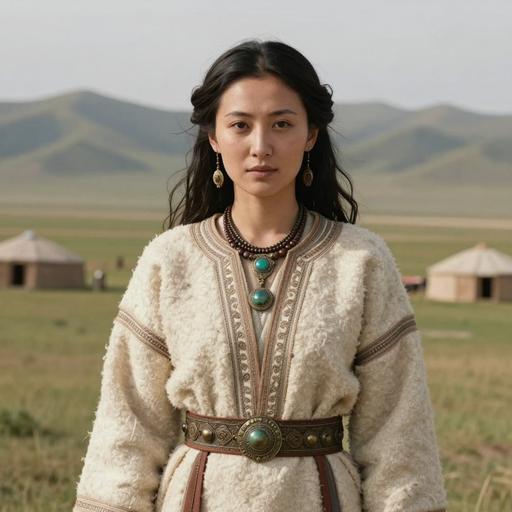
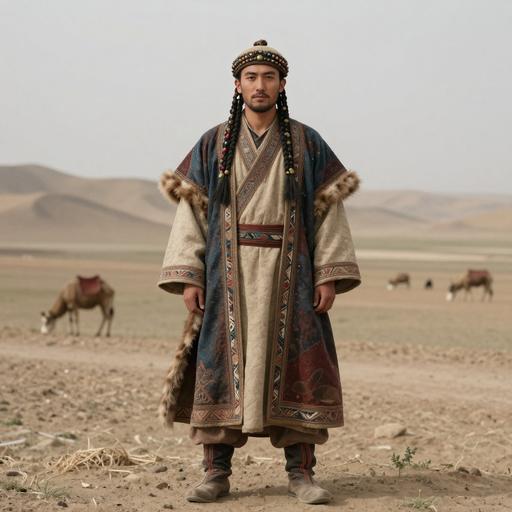
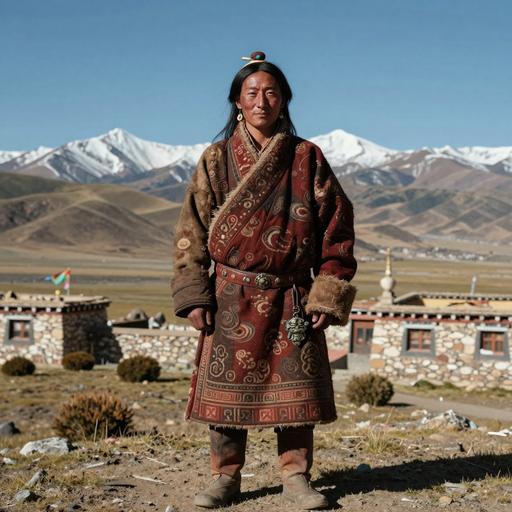
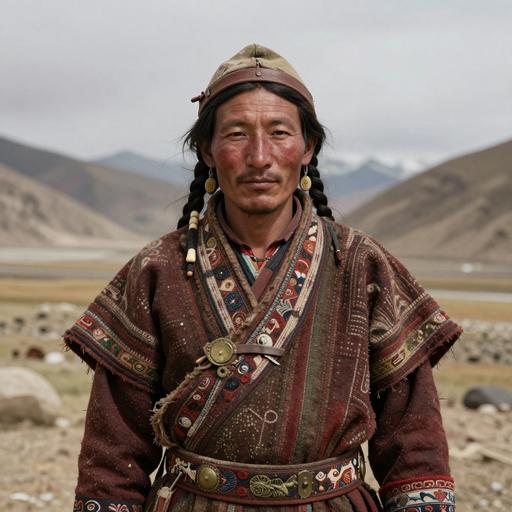
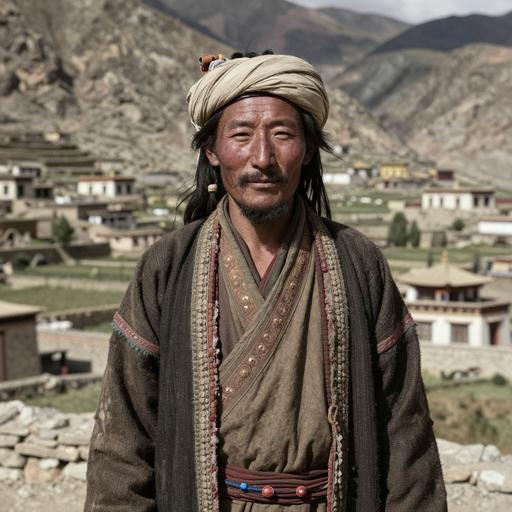
M10 is most frequent and diverse in Central, Northeast and parts of North Asia. Present-day occurrences include Mongolic and Turkic-speaking groups (e.g., Mongolians, Buryats, Tuvans, Altaians), several Siberian indigenous groups (Yakuts, Evenks), and northern Han/other East Asian minorities at lower frequencies. It is also recorded among Tibetan populations and in some Central Asian groups, reflecting gene flow across the steppe and highland corridors. In ancient DNA datasets, M10-like lineages appear in some Bronze Age and later steppe-associated and East Asian archaeological contexts, consistent with mobility across eastern Eurasia.
Historical and Cultural Significance
The distribution of M10 mirrors major cultural and demographic processes in northern and Central East Asia. Its presence in Mongolic, Tungusic and Turkic groups links the haplogroup to the maternal substrate of populations historically associated with the steppe, including Bronze Age pastoralists and later nomadic confederations. The appearance of M10 lineages in Tibetan samples underlines contacts and assimilation between plateau inhabitants and adjacent northern populations. In historical-period samples (e.g., Xiongnu and other steppe assemblages), M10 contributes to the genetic mosaic showing eastern Eurasian maternal input into expansive mobile polities.
Conclusion
mtDNA M10 is a regionally important East–Central Asian maternal lineage with deep Paleolithic roots in northern Asia and a pattern of local differentiation and intermittent spread by steppe and highland movements. Ongoing mitogenome sequencing and expanded ancient DNA sampling are refining its subclade structure and clarifying its role in prehistoric and historic population interactions across northeastern Eurasia.
Key Points
- Origins and Evolution
- Subclades (if applicable)
- Geographical Distribution
- Historical and Cultural Significance
- Conclusion