The Story
The journey of mtDNA haplogroup M11
Origins and Evolution
mtDNA haplogroup M11 is a branch of the macro-haplogroup M that arose in East Eurasia during the Upper Paleolithic. Phylogenetic analyses place M11 as an early regional offshoot within the diverse M radiation that populated East and Southeast Asia after the initial out-of-Africa dispersals. Coalescent age estimates for M11 and its sublineages are typically in the late Upper Paleolithic (roughly ~20–30 kya), consistent with deep regional differentiation of maternal lineages in East Asia.
Note on parentage: M11 is not a descendant of mtDNA haplogroup M1. M1 is a distinctive branch of M whose highest diversity and concentration are in Northeast Africa and the Horn of Africa; by contrast, M11 is centered in East/Southeast Asia. Treating M11 as a child of M1 is not supported by current phylogenies—M1 and M11 are separate branches within the macro-haplogroup M.
Subclades
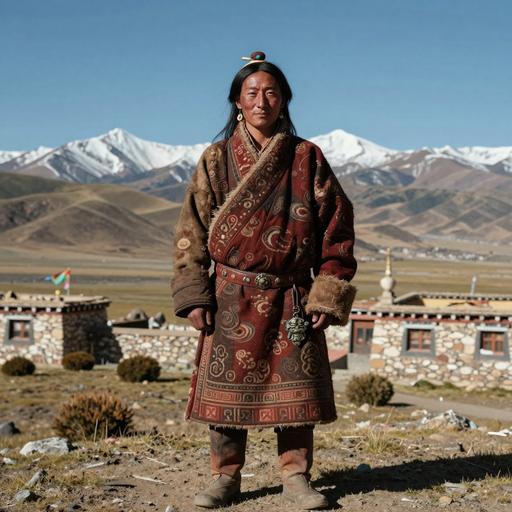
Several sublineages of M11 have been described in population surveys and phylogenetic compilations (often labeled as M11a, M11b, etc., depending on the study and alignment), showing internal diversification consistent with long-term regional isolation and later local expansions. Subclades of M11 tend to show geographically structured distributions: some are more frequent in northeastern East Asia (including northern China, Korea, Japan), while others appear in mainland Southeast Asia and among Tibeto-Burman groups. Sequencing-based studies (full mitogenomes) are necessary to resolve the fine structure and branching order of these subclades.
Geographical Distribution
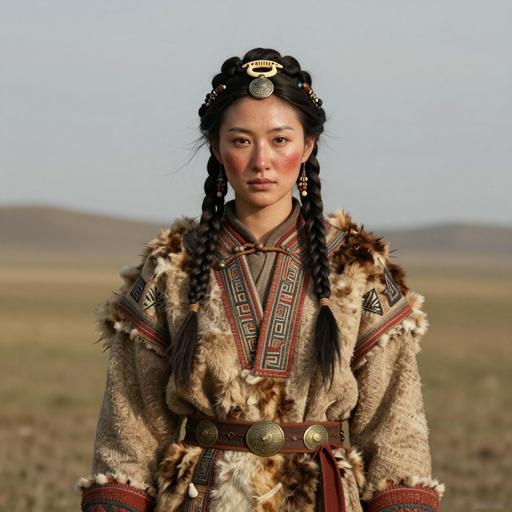
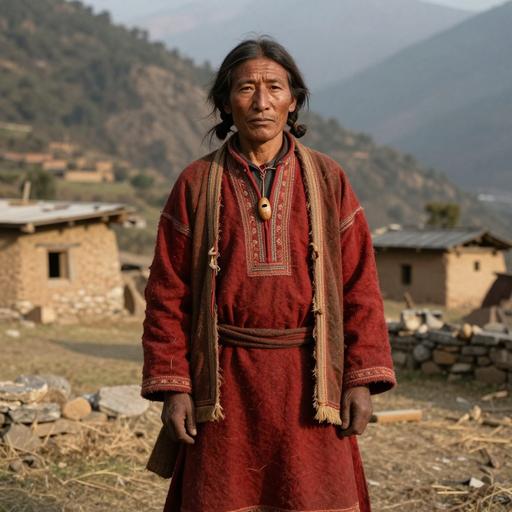
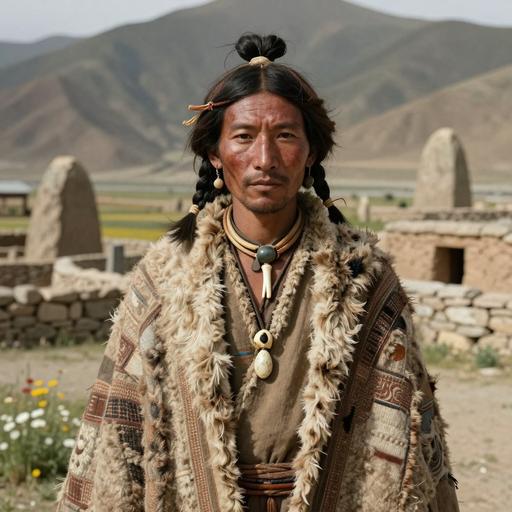
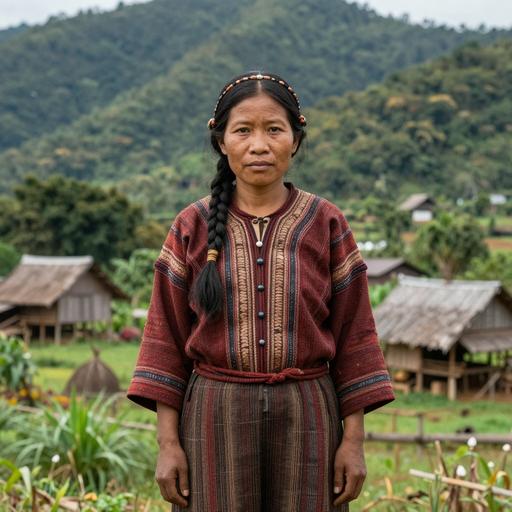
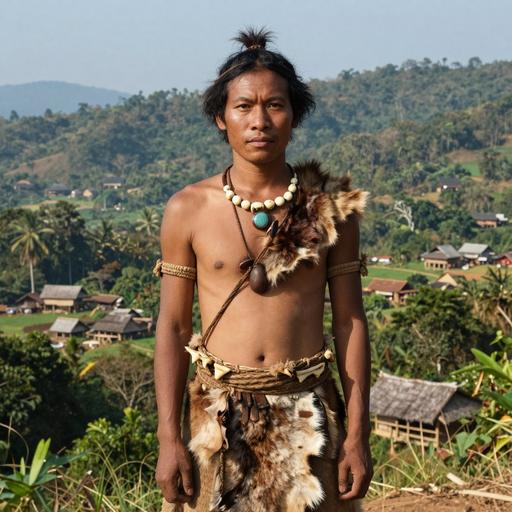
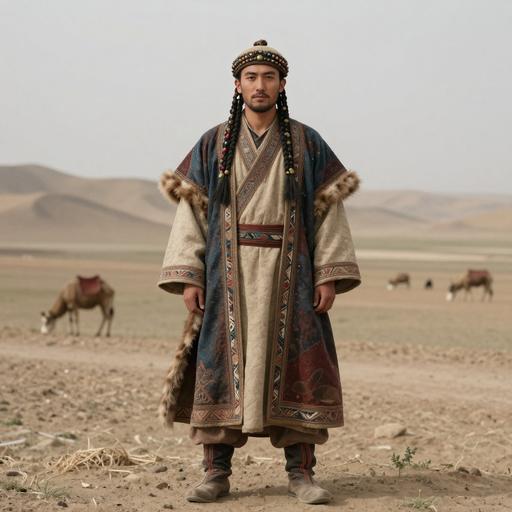
Overall, M11 occurs at low to moderate frequencies across parts of East and Southeast Asia rather than forming a dominant regional marker. Documented occurrences include Han Chinese populations (especially northern and central China), some Korean and Japanese samples, certain Tibeto-Burman groups, and scattered occurrences in mainland Southeast Asia (Vietnam, Laos, Thailand) and parts of southern China. Frequencies are higher in specialist regional surveys than in broad national samples, indicating local pockets of enrichment rather than continental-wide prevalence.
Historical and Cultural Significance
Because of its Paleolithic age and East Asian distribution, M11 can reflect deep maternal ancestry in regions affected by multiple prehistoric processes: late-Pleistocene population structure, post-glacial re-expansions, and later Neolithic and Bronze Age demographic shifts. In Japan, Korea and some parts of northern China, M11 lineages found in modern populations may trace, in part, to pre-agricultural groups and their admixture with incoming Neolithic farmers. In mainland Southeast Asia, M11’s presence likely reflects an ancient substrate retained through complex histories of migration and language spread (Austroasiatic, Tai-Kadai, Tibeto-Burman movements).
Archaeogenetic datasets for East Asia remain sparser compared with Europe; however, where ancient mitogenomes are available, M11-like lineages help reconstruct regional continuity and replacement episodes across the Late Pleistocene and Holocene.
Conclusion
M11 is a regionally important East/Southeast Asian branch of macro-haplogroup M with Paleolithic roots and subsequent local diversification. It is phylogenetically distinct from African-centered M1 and serves as a useful marker for studying deep maternal ancestry, population structure, and prehistoric demographic events in East Eurasia. Comprehensive full-mitogenome sequencing and broader ancient DNA sampling will continue to clarify its internal topology and historical dynamics.
Key Points
- Origins and Evolution
- Subclades
- Geographical Distribution
- Historical and Cultural Significance
- Conclusion