The Story
The journey of mtDNA haplogroup M42A1B2
Origins and Evolution
mtDNA haplogroup M42A1B2 is a downstream subclade of M42A1B, itself nested within the broader M42A1/M42 branch of macro-haplogroup M. Based on the phylogenetic position of M42A1B2 beneath M42A1B (whose origin has been estimated at roughly 6 kya) and the observed diversity in present-day South Asian tribal groups, M42A1B2 most plausibly arose in the Holocene within the Indian subcontinent roughly ~4 kya (late Neolithic to early Bronze Age). The clade represents a localized diversification of maternal lineages associated with long-standing indigenous populations of the region rather than a recent exogenous introduction.
Genetic variation within this subclade is limited in published datasets, consistent with a relatively recent emergence and/or restricted demographic expansion. The identification of M42A1B2 in at least one Holocene ancient DNA sample supports continuity of this maternal lineage in South Asia across several millennia.
Subclades
As a named subclade (M42A1B2) it sits directly beneath M42A1B. Published reference datasets and population surveys suggest sibling lineages (for example hypothetical M42A1B1 or other closely related branches) may exist at similarly low frequencies in the region; however, the internal topology and additional downstream diversity of M42A1B2 remain incompletely resolved pending larger mitogenome sampling of South Asian tribal and ancient remains. Additional whole-mitogenome sequencing in targeted populations may reveal further substructure or clarify whether M42A1B2 experienced a modest local expansion or remained geographically constrained.
Geographical Distribution
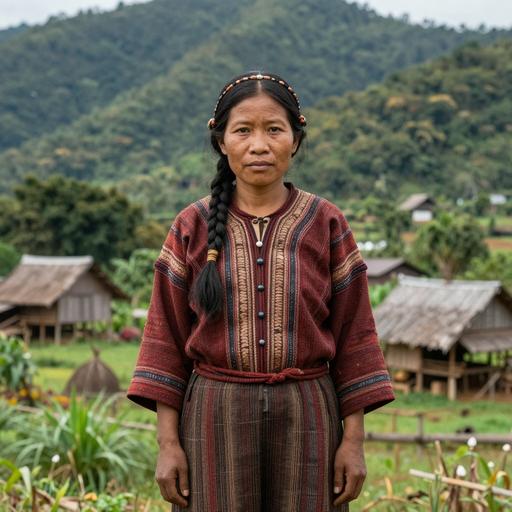
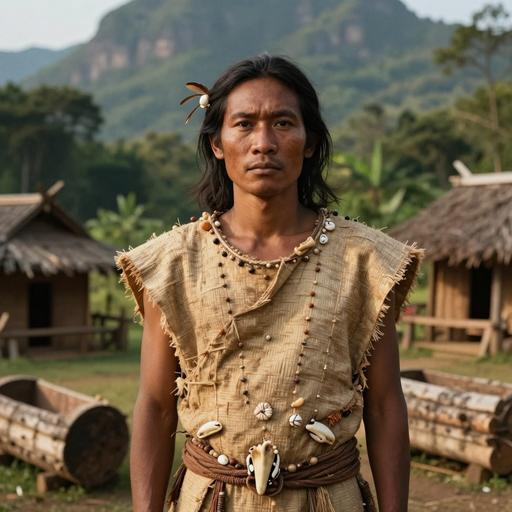
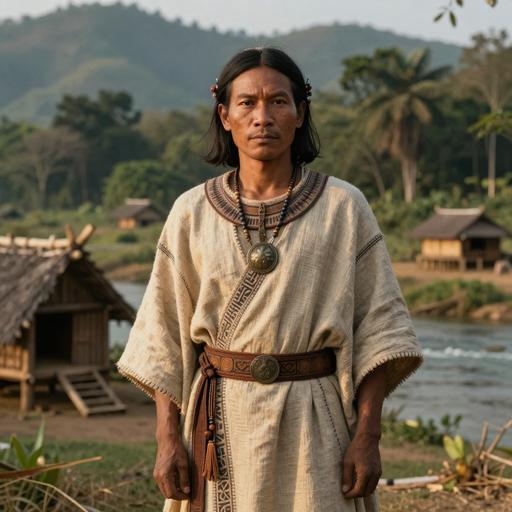
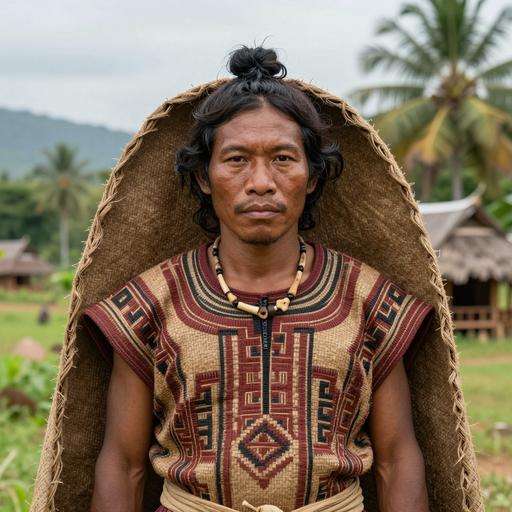
M42A1B2 is geographically concentrated on the Indian subcontinent and appears at low-to-moderate frequencies across a patchwork of populations. Its distribution pattern is typical of maternal lineages that persisted regionally among indigenous and tribal groups and is characterized by:
- Highest relative frequency and diversity in tribal and indigenous communities throughout India, particularly among groups often underrepresented in large biomedical surveys.
- Low and sporadic occurrences in adjacent areas: Himalayan fringe and Tibetan-adjacent groups, Sri Lanka (both Tamil and Sinhalese samples), Bangladesh and eastern Indian populations, Myanmar and Southeast Asian margin populations, Pakistan, and occasional Central Asian samples.
- Archaeological attestation: at least one Holocene ancient DNA sample carries the lineage, indicating presence in archaeological contexts and supporting long-term regional continuity.
Collectively, these observations indicate a core South Asian distribution with limited spillover into neighboring regions, consistent with demographic stability and localized maternal inheritance patterns.
Historical and Cultural Significance
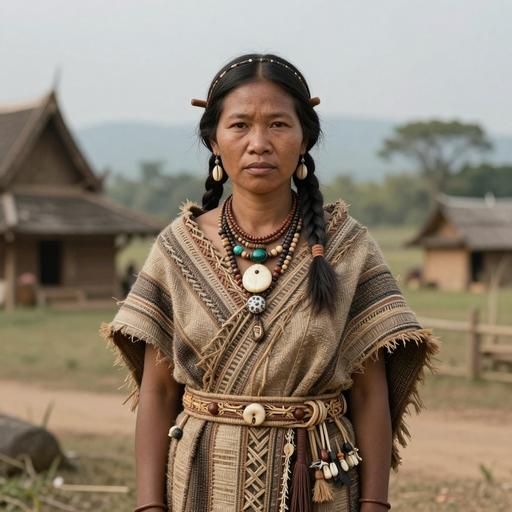
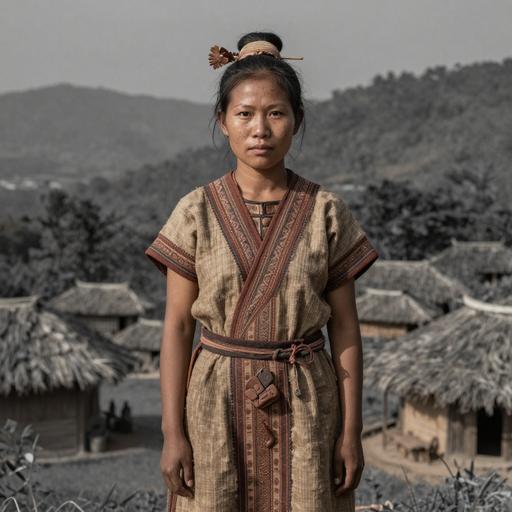
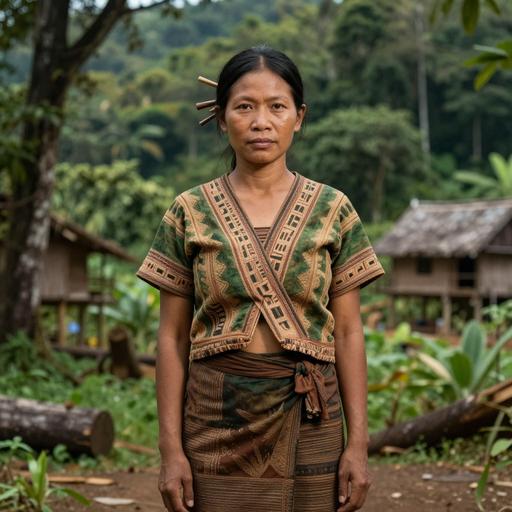
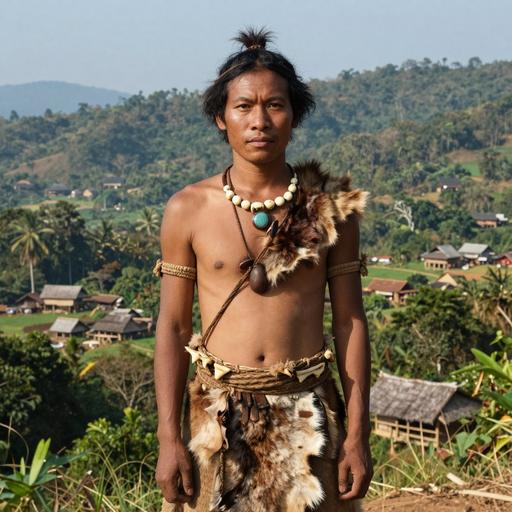
While M42A1B2 is not associated with pan-regional archaeological migrations (for example the steppe-associated Bronze Age expansions that reshaped parts of Eurasia), it contributes to the genetic signature of indigenous South Asian populations through the Holocene. Because the lineage is found mainly among tribal and indigenous communities, it is informative for studies of:
- Substrate populations of South Asia that predate or existed alongside later agricultural and urbanizing cultures.
- Local demographic processes such as small-scale expansions, founder effects, and long-term isolation in upland and forested regions.
There is limited direct evidence tying M42A1B2 specifically to major archaeological cultures such as the Indus Valley (Harappan) urban complex; instead, its pattern is more consistent with continuity among forager-to-agropastoral groups and later interactions with widespread cultural formations.
Conclusion
M42A1B2 is a Holocene maternal lineage rooted in South Asia that highlights the mosaic nature of maternal ancestry on the subcontinent. Its presence in modern tribal groups and in at least one ancient sample supports a narrative of regional continuity with localized diversification. Further whole-mitogenome sequencing and targeted ancient DNA sampling across South Asia and its margins will clarify the internal branching, precise age, and microgeographic history of this lineage.
Key Points
- Origins and Evolution
- Subclades
- Geographical Distribution
- Historical and Cultural Significance
- Conclusion