The Story
The journey of mtDNA haplogroup M9A1B1
Origins and Evolution
mtDNA haplogroup M9A1B1 is a downstream subclade of the M9A1B branch within the broader M9/M macrohaplogroup family. The parent cluster (M9A1B) is interpreted from phylogenetic analyses and population surveys as having arisen in East Asia during the Early Holocene (~9 kya), and M9A1B1 represents a further localized diversification within that lineage. The emergence of M9A1B1 is consistent with post‑glacial population restructuring and regional continuity in northern and central East Asia; its estimated coalescence in the early Holocene fits a pattern seen for many East Asian maternal lineages that expanded or differentiated after the Last Glacial Maximum.
Molecular dating for small, derived subclades like M9A1B1 depends on available sequence data and mutation rate assumptions; given its phylogenetic position it is reasonable to place its origin slightly after the parent node (we estimate ~8 kya), with further geographic spread and local differentiation through the mid‑to‑late Holocene.
Subclades (if applicable)
As a specific terminal branch of M9A1B, M9A1B1 may have further internal diversity, but current published and database sequences indicate it is a relatively low‑diversity subclade compared with major East Asian haplogroups. The subclade structure for M9A1B1 will continue to refine as more full mitochondrial genomes from diverse East and Central Asian populations and ancient samples are sequenced — particularly from underrepresented highland and northern groups.
Geographical Distribution
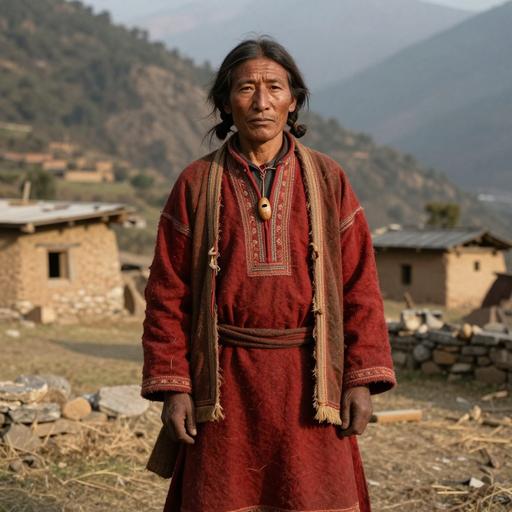
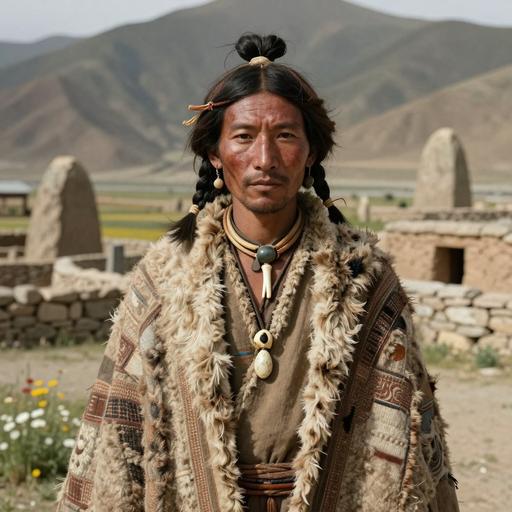
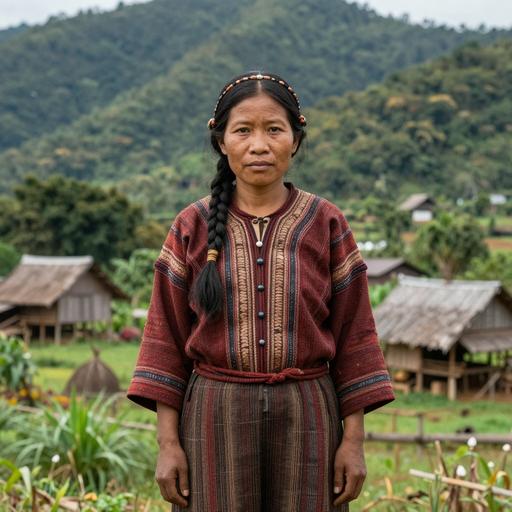
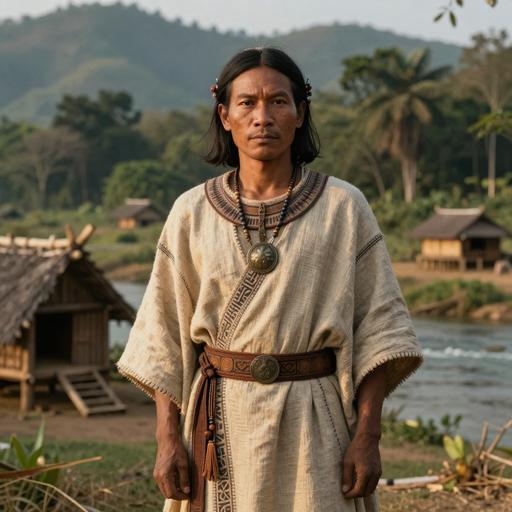
Modern population surveys and available sequence repositories place M9A1B1 primarily in East Asia with low to moderate occurrences beyond strict East Asian core areas. Reported occurrences include Han Chinese, Japanese, Korean, Tibetan and Tibetan‑adjacent highland groups, Mongolian and Inner Asian populations, some Central Asian groups (e.g., Kazakh, Uyghur), northern Southeast Asian groups (selected Tai‑Kadai and Austroasiatic populations), and low-frequency findings among Siberian and northeastern Eurasian hunter‑gatherer groups. Its geographic pattern — concentrated in northeastern and central East Asia with scattered low‑frequency occurrences further west and south — is consistent with localized diversification followed by limited migration and admixture.
M9A1B1 has been identified in a small number of ancient DNA samples (four in the referenced database), indicating its presence in archaeological contexts and supporting its persistence in the region through the Holocene. Ancient occurrences help anchor the haplogroup to regional demographic histories rather than representing only recent historical gene flow.
Historical and Cultural Significance
The time depth and distribution of M9A1B1 imply it is part of the maternal background that contributed to the genetic makeup of many East Asian populations through the Holocene transition from foraging to farming and later movements. It is not typically a dominant marker of any single widely expanding archaeological culture, but it is consistent with regional continuity among Early Holocene hunter‑gatherer groups and incorporation into Neolithic and later populations.
Where present in Japan and Korea, M9A1B1 may appear in lineages associated with complex admixture between Paleolithic/Jomon‑period peoples and incoming Neolithic or metal‑age clades (e.g., Yayoi‑period movements and later contacts). In the Tibetan Plateau and adjacent highlands, low‑frequency appearances likely reflect the mosaic of local maternal ancestries and gene flow with neighboring lowland populations. Scattered low to moderate frequencies in Central Asian and northeastern Southeast Asian populations are best interpreted as signals of ancient east–west and north–south contact zones rather than major population replacements.
Conclusion
mtDNA haplogroup M9A1B1 is a regionally informative but relatively low‑frequency East Asian maternal lineage whose phylogenetic position and geographic distribution reflect early Holocene regional differentiation and subsequent incorporation into diverse East and Central Asian populations. It is most useful in population genetics and ancient DNA studies for understanding local continuity, subtle migration routes, and maternal admixture events across northeastern and central Eurasia. As more whole mitochondrial genomes and ancient samples are obtained, the internal structure and historical dynamics of M9A1B1 will become clearer, improving its resolution as a marker of East Asian maternal history.
Key Points
- Origins and Evolution
- Subclades (if applicable)
- Geographical Distribution
- Historical and Cultural Significance
- Conclusion