The Story
The journey of mtDNA haplogroup T2B25
Origins and Evolution
mtDNA haplogroup T2B25 is a downstream subclade within the broader T2B/T2 phylogeny. The parent clade T2B2 is thought to have arisen on the Near Eastern–Mediterranean margin after the Last Glacial Maximum and to have spread into Europe with post‑glacial and Neolithic movements. Given that context, T2B25 most plausibly arose in the Neolithic period (several thousand years after the initial formation of T2B2), likely on the same Near Eastern / Mediterranean margin and subsequently dispersed into adjacent regions with early farming communities and later regional movements. Its relatively recent origin and low observed frequency are consistent with a localized founder event followed by limited spread.
Subclades
T2B25 is a fine-scale terminal branch within T2B; at present it is recorded as a distinct lineage rather than a large multi-tiered clade. As with many low-frequency mtDNA subclades, future dense sampling and ancient DNA recovery could reveal further internal structure (additional downstream branches) or merge it with closely related lineages if phylogenetic resolution changes. Currently, T2B25 should be treated as a derived terminal lineage of the T2B cluster.
Geographical Distribution
T2B25 is observed at low frequencies across parts of Southern and Central Europe and the Near East, with sporadic occurrences in North Africa, the Caucasus and Central Asia. Its distribution mirrors that of other T2B-derived lineages which entered Europe with Neolithic farmers and were also carried along Mediterranean coastal routes and inland corridors. Modern detections are uncommon and often appear as isolated occurrences rather than broad, high-frequency regional patterns; a small number of ancient DNA hits in farmer-associated contexts supports a Neolithic-era diffusion.
Historical and Cultural Significance
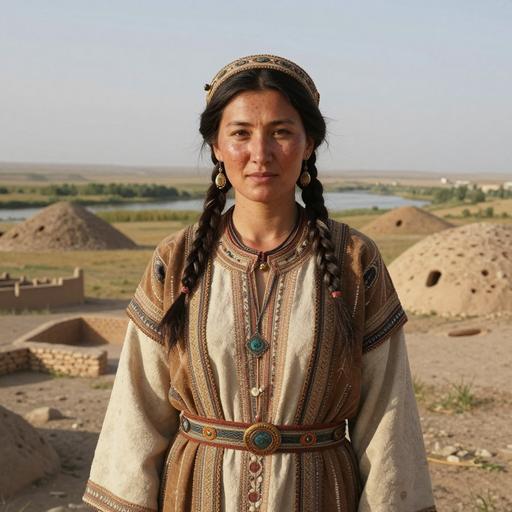
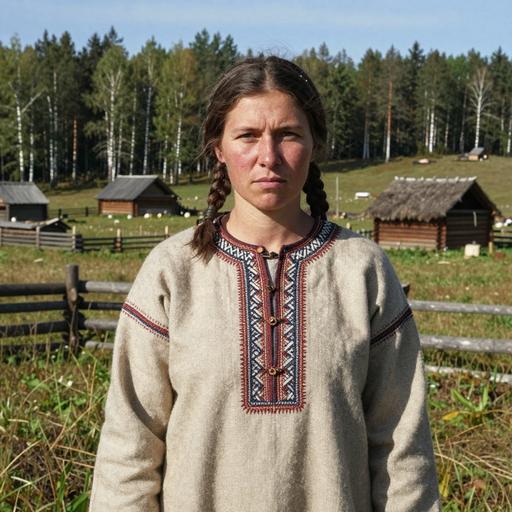
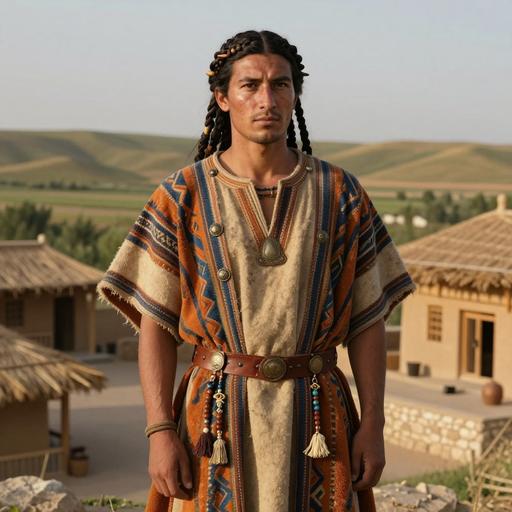
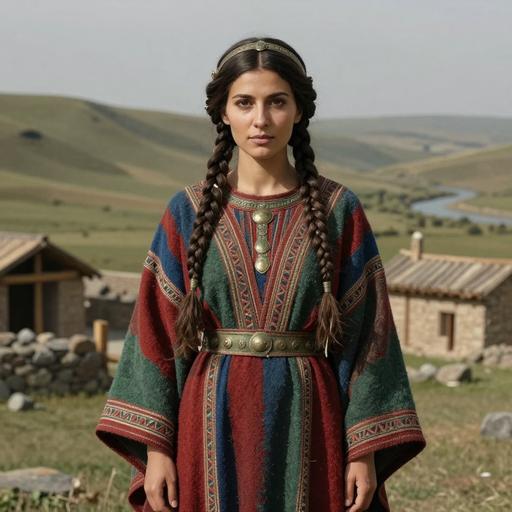
Because of its phylogenetic position and occurrence pattern, T2B25 is best interpreted as part of the maternal genetic signature of populations involved in the Neolithic transition in the Near East and its spread into Europe. It likely traveled with Early Neolithic farming groups (both Mediterranean coastal Cardial/Impressed Ware expansions and inland farming dispersals) and could have been carried into later archaeological horizons through continuity or local admixture. The lineage is therefore informative for studies of maternal ancestry, regional founder events, and micro-demographic processes during the Neolithic and subsequent Bronze Age and historical periods.
Conclusion
T2B25 is a low-frequency, regionally restricted mtDNA subclade derived from the T2B family. Its most plausible origin is the Near East / Mediterranean fringe in the Neolithic (several thousand years ago), and it marks one of the many maternal lineages associated with the spread of farming into Europe and the complex population interactions that followed. Continued modern and ancient mtDNA sequencing will refine its phylogenetic placement, geographic limits, and past demographic significance.
Key Points
- Origins and Evolution
- Subclades
- Geographical Distribution
- Historical and Cultural Significance
- Conclusion