Menu
mtDNA Haplogroup • Maternal Lineage

T2B

mtDNA Haplogroup T2B

~14,000 years ago
Near East / Mediterranean fringe
9 subclades
413 ancient samples
Scroll to explore
Chapter I

The Story

The journey of mtDNA haplogroup T2B

Origins and Evolution

Haplogroup T2B is a downstream branch of mtDNA haplogroup T2, itself a descendant of the JT macro-haplogroup. T2 likely diversified near the Near East during or shortly after the Last Glacial Maximum (~21 kya for T2), and T2B represents a later split that genetic evidence and ancient DNA suggest formed during the Late Glacial or early postglacial period (roughly ~14 kya in this estimate). Its evolution is tied to the broader post-LGM recolonization of Europe from refugia around the Mediterranean and Near East and later to the Neolithic demographic expansion of early farmers.

Genetic studies have recovered T2B in Mesolithic-to-Neolithic transition contexts and across many later archaeological horizons, indicating continuity and repeated incorporation into expanding populations. The internal diversity of T2B in modern and ancient samples supports a scenario of an origin in or near the Near East with subsequent dispersal into Europe and peripheral regions.

Subclades

T2B contains further substructure (for example named branches often reported in sequence-based studies such as T2b1, T2b2, etc.), with some sub-lineages showing more restricted geographic patterns. Some subclades are more frequent in southern and central Europe, while others appear in the Near East and North Africa. High-resolution phylogenies built from full mitogenomes are required to resolve fine-scale subclade relationships and to date internal nodes accurately.

Geographical Distribution

T2B is widespread but uneven in frequency. It is most commonly observed in Southern and Central Europe, occurs at moderate frequencies in Eastern Europe and the Near East, and is present at lower frequencies in North Africa, parts of the Caucasus, and Central Asia. Ancient DNA demonstrates T2B in early farmer contexts in Europe (e.g., Early Neolithic agricultural communities) and in later archaeological cultures, indicating both early arrival with farming groups and persistence through subsequent demographic events.

Historical and Cultural Significance

The occurrence of T2B in early Neolithic farmer remains links it to the demic diffusion of agriculture from the Near East into Europe. Because T2 lineages are commonly found among ancient Early European Farmers (EEF), T2B is often treated as part of that maternal genetic signature. T2B is also observed in later archaeological horizons (e.g., Chalcolithic and Bronze Age samples) and in modern populations that descend from or admixed with those earlier groups.

T2B has been reported among some Jewish communities (including Ashkenazi lineages) and in North African groups at lower frequencies, reflecting historical migrations and gene flow across the Mediterranean. Its presence in many ancient samples (hundreds in aggregated databases) makes it a useful lineage for tracing maternal ancestry in archaeological and population-genetic studies.

Conclusion

mtDNA haplogroup T2B is a Neolithic- and postglacial-era maternal lineage that links the Near East and Mediterranean refugia with the peopling of Europe. It exemplifies how maternal lineages moved with both hunter-gatherer re-expansion after the LGM and later with the spread of farming populations, and it remains detectable in a wide range of modern and ancient populations across Europe, the Near East, North Africa, and adjacent regions.

Key Points

  • Origins and Evolution
  • Subclades
  • Geographical Distribution
  • Historical and Cultural Significance
  • Conclusion

Chapter II

Tree & Relationships

Phylogenetic context and subclades

Evolution Path

This haplogroup's evolutionary journey from its earliest ancestor to the present.

Steps Haplogroup Age Estimate Archaeology Era Time Passed Immediate Descendants Tested Modern Descendants Ancient Connections
1 T2B Current ~14,000 years ago 🏹 Mesolithic 14,000 years 9 275 413
2 T2 ~21,000 years ago 🏹 Mesolithic 21,000 years 11 918 70
3 T ~27,000 years ago 🦴 Paleolithic 27,000 years 2 1,615 84
4 JT ~45,000 years ago 🦴 Paleolithic 45,000 years 2 3,237 1
5 N ~60,000 years ago 🦴 Paleolithic 60,000 years 15 15,452 13
6 L3 ~70,000 years ago 🦴 Paleolithic 70,000 years 11 17,621 6
7 L ~160,000 years ago 🦴 Paleolithic 160,000 years 7 18,987 5

Siblings (10)

Other branches from the same parent haplogroup

Chapter III

Where in the World

Geographic distribution and modern presence


Place of Origin

Near East / Mediterranean fringe

Modern Distribution

The populations where mtDNA haplogroup T2B is found include:

  1. Southern and Central European populations (Italy, Iberia, Balkans)
  2. Eastern European populations
  3. Near Eastern populations (Anatolia, Levant)
  4. North African populations (at lower frequencies)
  5. Caucasus populations (sporadic occurrences)
  6. Central Asian populations (low frequencies)
  7. Jewish populations (including some Ashkenazi lineages)
CHAPTER IV

When in Time

Your haplogroup in the context of human history

~20k years ago

Last Glacial Maximum

Peak of the last ice age, populations isolated

~14k years ago

Haplogroup T2B

Your mtDNA haplogroup emerged in Near East / Mediterranean fringe

Near East / Mediterranean fringe
~10k years ago

Neolithic Revolution

Agriculture begins, settled communities form

~5k years ago

Bronze Age

Metalworking, writing, and early civilizations

~3k years ago

Iron Age

Iron tools, expanded trade networks

~2k years ago

Classical Antiquity

Greek and Roman civilizations flourish

Present

Present Day

Modern era

Your Haplogroup
Historical Era
Chapter IV-B

Linked Cultures

Ancient cultures associated with mtDNA haplogroup T2B

Cultural Heritage

These ancient cultures have been linked to haplogroup T2B based on matching ancient DNA samples from archaeological excavations. The presence of this haplogroup in these cultures provides insights into the migrations and population movements of populations carrying this haplogroup.

Anatolian Neolithic Bulgarian Neolithic Impressed Ware Culture Körös Culture Linear Pottery Culture Malak Preslavets Culture Starčevo Starčevo Culture Starčevo-Criș
Culture assignments are based on archaeological context of ancient DNA samples and may represent regional associations during specific time periods.
Chapter V

Sample Catalog

Top 50 ancient DNA samples directly related to haplogroup T2B or parent clades

50 / 50 samples
Portrait Sample Country Era Date Culture mtDNA Match
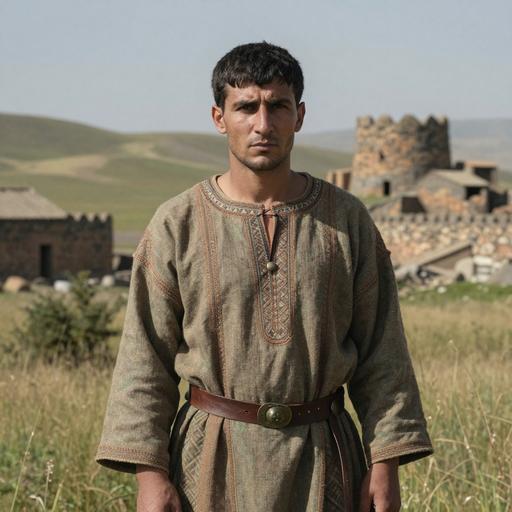
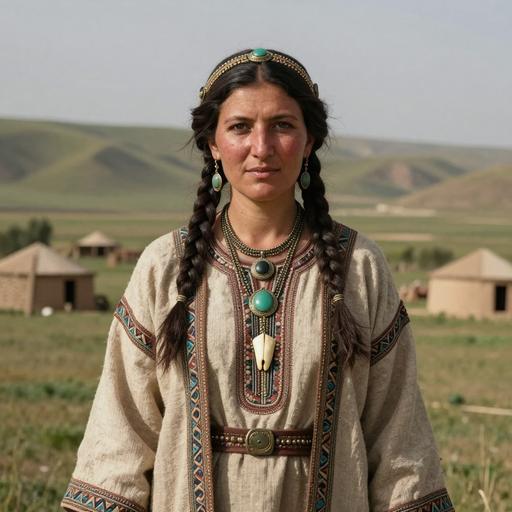
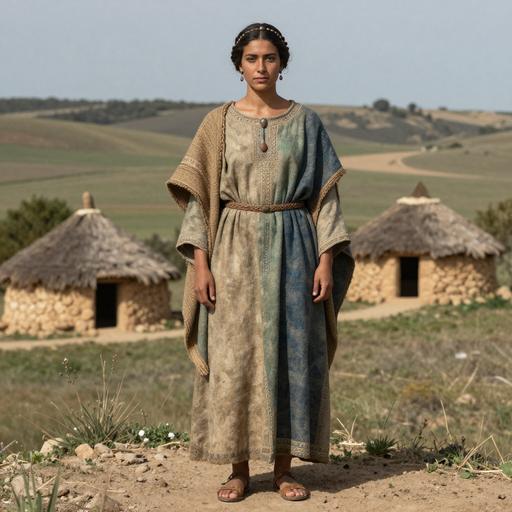
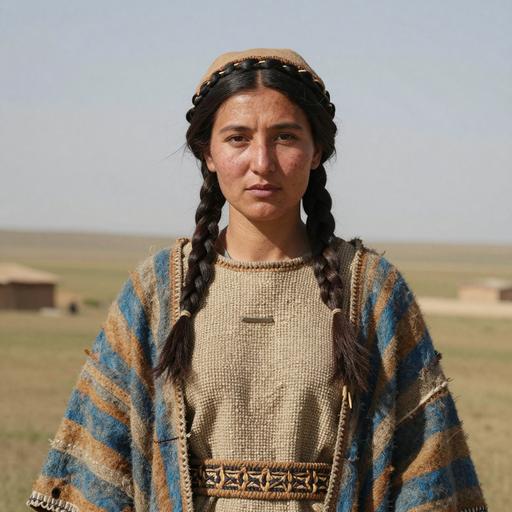
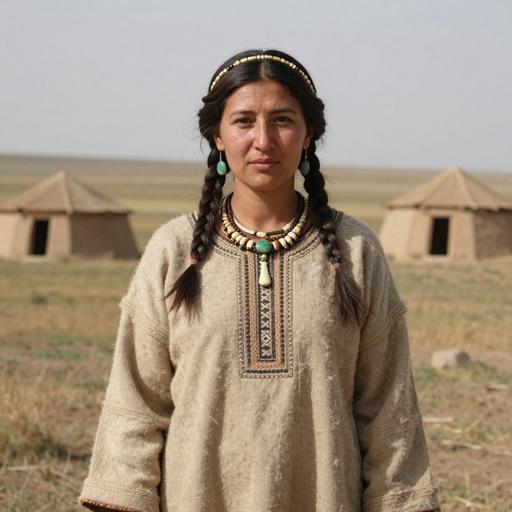
Portrait of ancient individual I8475 from Spain, dated 100 CE - 200 CE
I8475
Spain Roman Period Spain 100 CE - 200 CE Roman Hispania T2b Direct
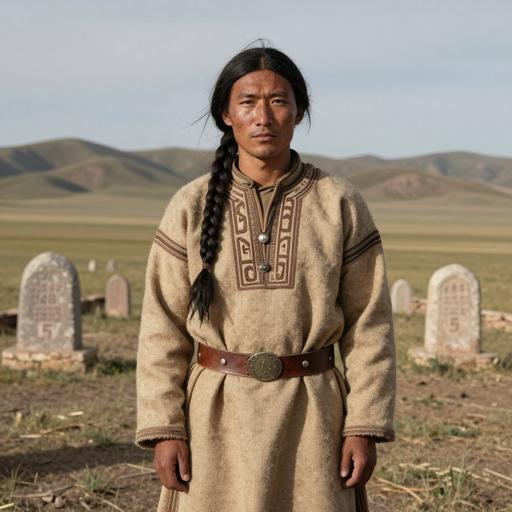
Portrait of ancient individual BUR001 from Mongolia, dated 103 BCE - 13 CE
BUR001
Mongolia Early Medieval Xiongnu 103 BCE - 13 CE Xiongnu T2b Direct
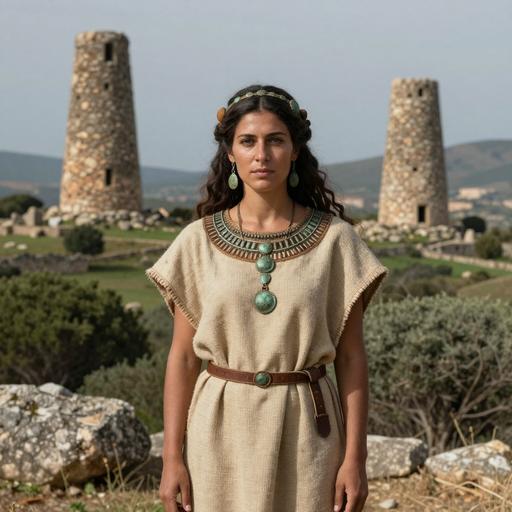
Portrait of ancient individual AMC014 from Italy, dated 126 CE - 310 CE
AMC014
Italy Roman Period Sardinia, Italy 126 CE - 310 CE Roman Sardinian T2b Direct
Portrait of ancient individual I6492 from Spain, dated 200 CE - 500 CE
I6492
Spain Roman Period Spain 200 CE - 500 CE Roman Hispania T2b11 Direct
Portrait of ancient individual I7158 from Spain, dated 200 CE - 500 CE
I7158
Spain Roman Period Spain 200 CE - 500 CE Roman Hispania T2b11 Direct
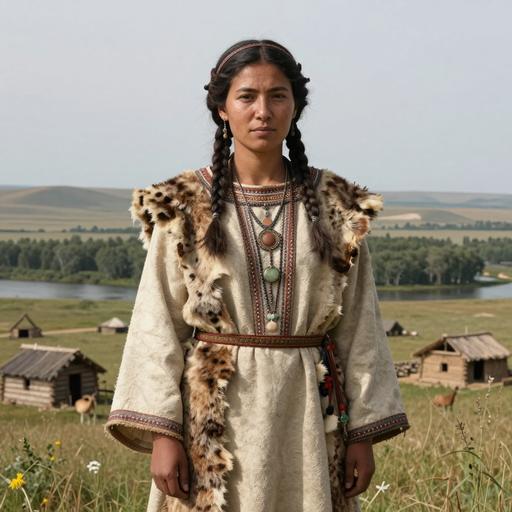
Portrait of ancient individual I6224 from Mongolia, dated 370 BCE - 197 BCE
I6224
Mongolia Early Iron Age Sagly Culture 4, Mongolia 370 BCE - 197 BCE Sagly Culture T2b34 Direct
Portrait of ancient individual I3981 from Spain, dated 400 CE - 600 CE
I3981
Spain Roman Period Spain 400 CE - 600 CE Roman Hispania T2b32 Direct
Portrait of ancient individual I6225 from Mongolia, dated 400 BCE - 150 BCE
I6225
Mongolia Early Iron Age Sagly Culture 4, Mongolia 400 BCE - 150 BCE Sagly Culture T2b34 Direct
Portrait of ancient individual CHN012 from Mongolia, dated 400 BCE - 1500 CE
CHN012
Mongolia Early Iron Age to Xiongnu to Late Medieval Uvs, Mongolia 400 BCE - 1500 CE Uvs Multi-Period T2b34 Direct
Portrait of ancient individual I11701 from Austria, dated 500 BCE - 200 BCE
I11701
Austria Iron Age La Tène Culture, Austria 500 BCE - 200 BCE La Tène Culture T2b Direct
Chapter VI

Carrier Distribution Map

Geographic distribution of 100 ancient DNA samples carrying haplogroup T2B

Time Period Filter
All Time Periods
Showing all samples
Each marker represents an ancient individual
Chapter VII

Temporal Distribution

Distribution of carriers across archaeological periods

Chapter VIII

Geographic Distribution

Distribution of carriers by country of origin

Chapter IX

Country × Era Distribution

Cross-tabulation of carrier countries and archaeological periods

Data

Data & Provenance

Source information and data quality

Last Updated 2026-02-16
Confidence Score 50/100
Coverage Low
Data Source

We use the latest phylotree for MTDNA haplogroup classification and data.