The Story
The journey of mtDNA haplogroup U5A2C3A
Origins and Evolution
U5A2C3A is a downstream subclade of mtDNA haplogroup U5A2C3, itself part of the broader U5 lineage long associated with European Mesolithic hunter‑gatherers. The parent clade U5A2C3 has been dated to the early Holocene/post‑glacial period (~10 kya) in Northern/Northeastern Europe; U5A2C3A likely coalesced later within that regional context, with a reasonable time depth of around ~7 kya based on its position in the phylogeny and sparse downstream diversity observed in modern and ancient datasets. Its origin is best explained by survival and local differentiation of maternal lineages in post‑glacial northern refugia and subsequent persistence under conditions of small effective population size and genetic drift.
Subclades
At present, U5A2C3A appears to be a relatively low‑diversity terminal subclade with few well‑characterized downstream branches in public databases. A small number of private or regionally restricted variants have been reported in high‑coverage mitogenomes from Fennoscandia and adjacent regions, but large‑scale substructure within U5A2C3A is not yet well resolved. Continued sequencing of complete mitochondrial genomes from northern Europe and ancient samples may reveal additional internal structure.
Geographical Distribution
Modern occurrences of U5A2C3A are concentrated in Fennoscandia and the Baltic/North‑Eastern European corridor, where it persists at low to moderate frequencies. The lineage is found at its highest relative densities among populations with documented Mesolithic ancestry continuity, including the Saami and some Finnish and northern Scandinavian groups. Lower‑frequency occurrences are recorded across broader Eastern and Western Europe and sporadically in the Caucasus, Central Asia and North Africa—likely reflecting historical gene flow, rare long‑distance dispersal or recent migrations. U5A2C3A is also found in several ancient DNA contexts tied to hunter‑gatherer or early local Neolithic occupations in northern and northeastern Europe, consistent with a Mesolithic origin and local persistence.
Historical and Cultural Significance
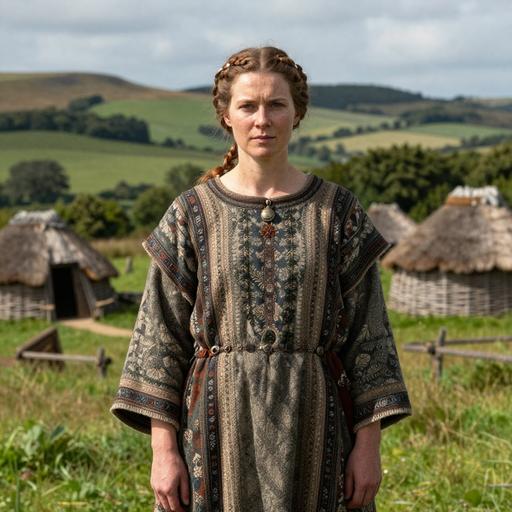
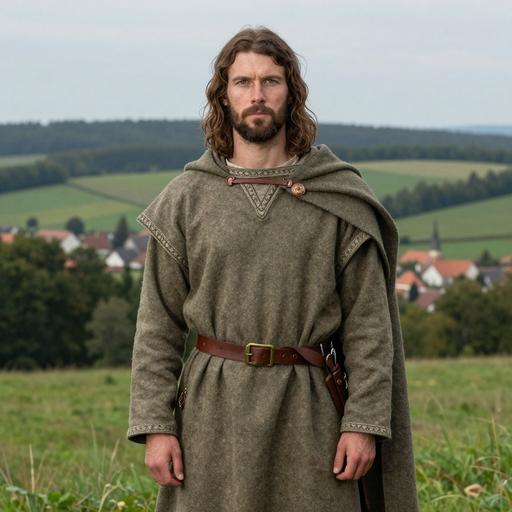
Because U5 lineages are emblematic of pre‑Neolithic European maternal ancestry, U5A2C3A is most strongly associated with Mesolithic hunter‑gatherer groups in northern Europe and their demographic legacy. Its survival through the Neolithic and into modern northern populations suggests continuity rather than wholesale replacement in parts of Fennoscandia and the Baltic region. This clade may therefore serve as a useful marker for studies of maternal continuity, post‑glacial recolonization routes, and founder effects that shaped modern northern European populations (for example, the elevated haplogroup diversity patterns seen in the Saami and some Finnish subpopulations).
Implications for Genetic Genealogy and Research
For genealogical and population studies, presence of U5A2C3A in an individual typically indicates deep maternal ancestry connected to northern Europe and a possible association with Mesolithic‑derived maternal lineages. However, because the clade is relatively rare and has limited downstream resolution in current databases, full mtDNA genome sequencing is recommended to confirm classification and to identify any private mutations that inform recent maternal genealogy.
Conclusion
U5A2C3A is a geographically and historically informative mtDNA subclade reflecting post‑glacial maternal continuity in Northern/Northeastern Europe. It remains uncommon but persistent in Fennoscandian and Baltic populations and is a useful marker for tracing Mesolithic maternal ancestry and localized demographic processes (drift, founder events) in northern Europe. Ongoing ancient DNA sampling and complete mitogenome sequencing will improve the resolution of its internal structure and precise time depth.
Key Points
- Origins and Evolution
- Subclades
- Geographical Distribution
- Historical and Cultural Significance
- Implications for Genetic Genealogy and Research